What does Nehemiah 10:8 mean?
“Maaziah, Bilgai, Shemaiah: these were the priests.” — Nehemiah 10:8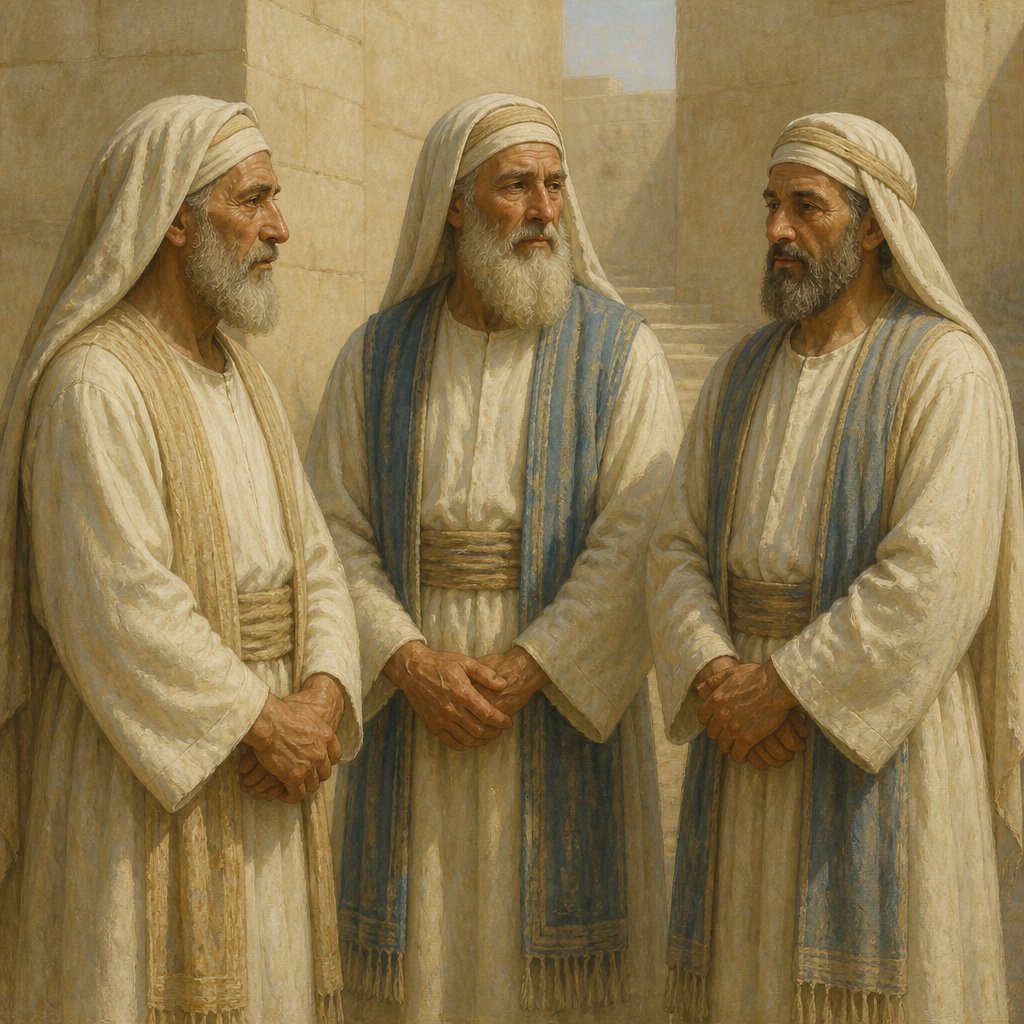
The verse Nehemiah 10:8 in the King James Version (KJV) states, "Maaziah, Bilgai, Shemaiah: these were the priests." At first glance, this verse may seem like a simple list of names, but when examined within its historical and biblical context, it holds rich meaning and symbolism that offer insight into the themes of leadership, responsibility, and faithfulness to God.
Nehemiah is a book in the Old Testament that tells the story of the Israelites' return to Jerusalem after their exile in Babylon. The main focus of the book is the rebuilding of Jerusalem's walls under the leadership of Nehemiah, who was appointed as governor of the region by the Persian king Artaxerxes. As part of the rebuilding process, the Israelites also renewed their commitment to God and His commandments.
The verse in question, Nehemiah 10:8, comes from a list of the priests who were actively involved in the renewal of the covenant between the people of Israel and God. The names mentioned - Maaziah, Bilgai, and Shemaiah - represent individuals who held important roles in the religious leadership of the community.
In the context of the broader biblical narrative, the priesthood was a central institution in ancient Israel, responsible for offering sacrifices, conducting rituals, and mediating between the people and God. The priests were expected to uphold the religious laws and teach the people about God's commandments. Their role was crucial in preserving the spiritual and moral integrity of the community.
The inclusion of these names in the verse highlights the significance of the priesthood in the process of renewal and restoration. It emphasizes the collective effort of the religious leaders in reaffirming the people's commitment to God. This serves as a reminder that leadership and spiritual guidance are essential in guiding a community back to God.
Furthermore, the verse reflects the theme of accountability and responsibility. As priests, Maaziah, Bilgai, and Shemaiah were accountable for leading the people in righteous living and upholding the laws of God. Their inclusion in the covenant renewal signifies their willingness to take on this responsibility and lead by example. It underscores the importance of spiritual leaders in modeling obedience and faithfulness to God.
The verse also signifies the importance of individual contribution within the community. Each priest mentioned played a unique role in the religious leadership, and their inclusion highlights the diversity of gifts and abilities within the priesthood. This diversity further emphasizes the collective effort required to fulfill the responsibilities of leadership and the importance of each individual's contribution to the community.
Symbolically, the names of the priests themselves may hold significance. In biblical tradition, names often carry meaning and serve as indicators of a person's character or destiny. While the specific meanings of these names are not detailed in the verse, their inclusion suggests that they were known and respected figures within the community, and their names may have held symbolic significance to the people of that time.
In conclusion, Nehemiah 10:8 from the King James Version of the Bible carries rich meaning and symbolism within its historical and biblical context. It underscores the importance of leadership, responsibility, and faithfulness to God within the religious community. The verse serves as a reminder of the crucial role of spiritual leaders in guiding the people towards renewal and restoration, and the significance of individual contribution within the community. It ultimately highlights the collective effort and commitment required to uphold the covenant with God and live faithfully according to His commandments.
Get our apps


Artwork for Nehemiah 10:8

Nehemiah 10:8 - "Maaziah, Bilgai, Shemaiah: these were the priests."
"Maaziah, Bilgai, Shemaiah: these were the priests." - Nehemiah 10:8

Nehemiah 8:10

Nehemiah 8:10

Nehemiah 8:10

Nehemiah 10:1 - "Now those that sealed were, Nehemiah, the Tirshatha, the son of Hachaliah, and Zidkijah,"

Nehemiah 10:10 - "And their brethren, Shebaniah, Hodijah, Kelita, Pelaiah, Hanan,"

Nehemiah 10:22 - "Pelatiah, Hanan, Anaiah,"

Nehemiah 10:24 - "Hallohesh, Pileha, Shobek,"

Nehemiah 10:5 - "Harim, Meremoth, Obadiah,"

Nehemiah 10:21 - "Meshezabeel, Zadok, Jaddua,"

Nehemiah 10:23 - "Hoshea, Hananiah, Hashub,"

Nehemiah 10:7 - "Meshullam, Abijah, Mijamin,"

Nehemiah 10:25 - "Rehum, Hashabnah, Maaseiah,"

Nehemiah 10:11 - "Micha, Rehob, Hashabiah,"

Nehemiah 10:27 - "Malluch, Harim, Baanah."

Nehemiah 10:19 - "Hariph, Anathoth, Nebai,"

Nehemiah 10:6 - "Daniel, Ginnethon, Baruch,"

Nehemiah 10:26 - "And Ahijah, Hanan, Anan,"

Nehemiah 10:16 - "Adonijah, Bigvai, Adin,"

Nehemiah 10:18 - "Hodijah, Hashum, Bezai,"

Nehemiah 10:4 - "Hattush, Shebaniah, Malluch,"

Nehemiah 10:2 - "Seraiah, Azariah, Jeremiah,"

Nehemiah 10:20 - "Magpiash, Meshullam, Hezir,"

Nehemiah 10:3 - "Pashur, Amariah, Malchijah,"

Nehemiah 10:17 - "Ater, Hizkijah, Azzur,"

Nehemiah 10:15 - "Bunni, Azgad, Bebai,"

Nehemiah 10:13 - "Hodijah, Bani, Beninu."

Nehemiah 10:12 - "Zaccur, Sherebiah, Shebaniah,"

Nehemiah 8:10 - "Then he said unto them, Go your way, eat the fat, and drink the sweet, and send portions unto them for whom nothing is prepared: for this day is holy unto our Lord: neither be ye sorry; for the joy of the LORD is your strength."