What does Nehemiah 11:8 mean?
“And after him Gabbai, Sallai, nine hundred twenty and eight.” — Nehemiah 11:8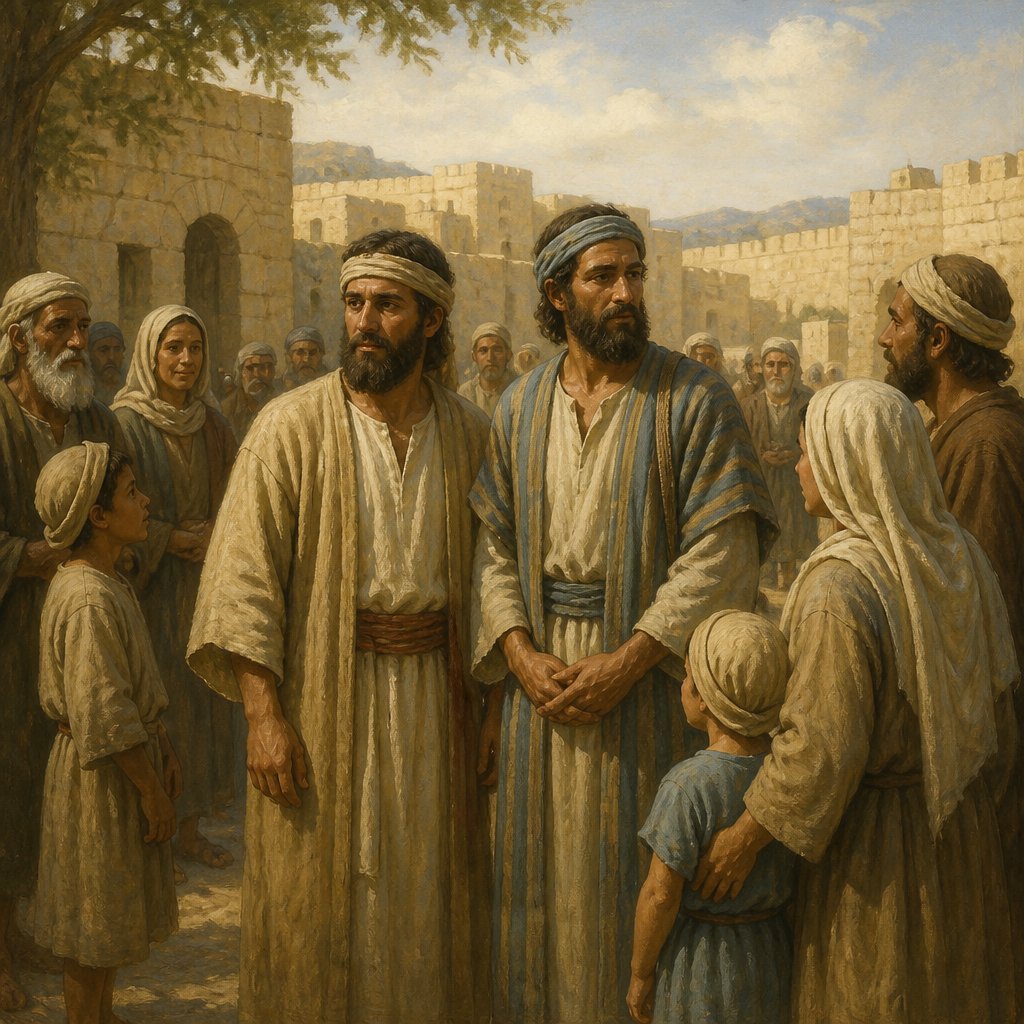
Nehemiah 11:8 in the King James Version reads, "And after him Gabbai, Sallai, nine hundred twenty and eight." This verse is situated within the context of the book of Nehemiah, which is a historical account of the Israelites' return from exile in Babylon and the subsequent rebuilding of Jerusalem's walls and the restoration of the city. This particular verse lists the names of some of the families who settled in Jerusalem after its reconstruction.
The book of Nehemiah is primarily concerned with the themes of leadership, faithfulness, and the importance of following God's commands. As the governor of Judah, Nehemiah is tasked with the responsibility of overseeing the restoration of Jerusalem's walls and the reestablishment of the city's population. The verse in question is part of a list of families who chose to settle in Jerusalem, a significant decision as it symbolizes their commitment to the city and to the fulfillment of God's promises to his people.
One of the key themes that can be gleaned from Nehemiah 11:8 is the importance of community and the role that each individual plays in the collective well-being of the city. The specific names listed in the verse may appear to be insignificant at first glance, but they represent the families who contributed to the repopulation and revitalization of Jerusalem. This demonstrates the idea that every member of the community has a part to play in its restoration and stability, reflecting the biblical principle of unity and the importance of working together for the greater good.
In addition, Nehemiah 11:8 serves as a reminder of the faithfulness of God to his people. Despite the challenges and hardships they faced during their exile and the rebuilding process, the Israelites continued to trust in God's promises and remained committed to the restoration of their homeland. The act of settling in Jerusalem can be seen as a testament to their faith and their willingness to obey God's commands, even when faced with adversity.
Symbolically, the number "nine hundred twenty and eight" holds significance within the biblical context. In biblical numerology, the number nine is often associated with finality or judgment, while the number twenty-eight is connected to eternal life. Therefore, the combination of these numbers in the verse may symbolize the completion of a chapter in the Israelites' history, as they begin to establish a new life in Jerusalem with the hope of eternal blessings from God.
From a historical and contextual perspective, Nehemiah 11:8 also provides insight into the demographic makeup of Jerusalem at the time of its repopulation. By listing the names and numbers of the families who settled in the city, the verse offers a glimpse into the social and familial structures that were present during that period. This contributes to our understanding of the cultural and societal dynamics of ancient Israel and the significance of Jerusalem as a foundational city in their identity and faith.
In conclusion, Nehemiah 11:8 is a verse that may appear simple on the surface, but it carries deeper meanings and implications within the broader context of the book of Nehemiah and the biblical narrative as a whole. It underscores the themes of community, faithfulness, and the providence of God, while also providing valuable historical and symbolic insights into the restoration of Jerusalem. Ultimately, the verse serves as a reminder of the enduring faith and resilience of God's people, as they worked together to rebuild and restore their city in accordance with God's will.
Get our apps


Artwork for Nehemiah 11:8

Nehemiah 11:8 - "And after him Gabbai, Sallai, nine hundred twenty and eight."
"And after him Gabbai, Sallai, nine hundred twenty and eight." - Nehemiah 11:8

Nehemiah 8:11 - "So the Levites stilled all the people, saying, Hold your peace, for the day is holy; neither be ye grieved."

Nehemiah 11:11-14

Nehemiah 11:13

Nehemiah 11:1-19

Nehemiah 8:10

Nehemiah 8:10

Nehemiah 8:10

Nehemiah 11:34 - "Hadid, Zeboim, Neballat,"

Nehemiah 10:11 - "Micha, Rehob, Hashabiah,"

Nehemiah 11:33 - "Hazor, Ramah, Gittaim,"

Nehemiah 11:32 - "And at Anathoth, Nob, Ananiah,"

Nehemiah 11:26 - "And at Jeshua, and at Moladah, and at Beth-phelet,"

Nehemiah 11:29 - "And at En-rimmon, and at Zareah, and at Jarmuth,"

Nehemiah 11:35 - "Lod, and Ono, the valley of craftsmen."

Nehemiah 11:28 - "And at Ziklag, and at Mekonah, and in the villages thereof,"

Nehemiah 11:36 - "And of the Levites were divisions in Judah, and in Benjamin."

Nehemiah 11:10 - "Of the priests: Jedaiah the son of Joiarib, Jachin."
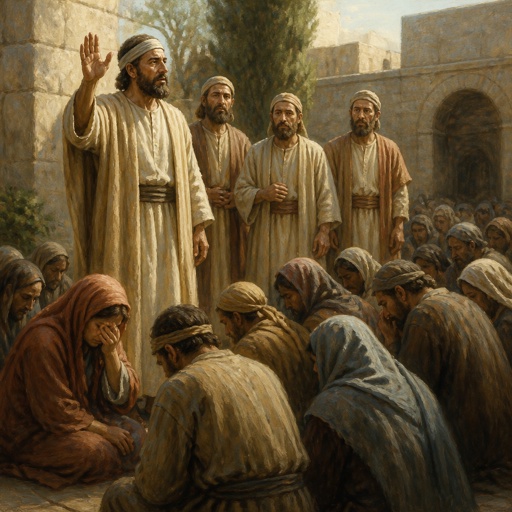
"So the Levites stilled all the people, saying, Hold your peace, for the day is holy; neither be ye grieved." - Nehemiah 8:11

Nehemiah 8:8 - "So they read in the book in the law of God distinctly, and gave the sense, and caused them to understand the reading."

Nehemiah 12:11 - "And Joiada begat Jonathan, and Jonathan begat Jaddua."

Nehemiah 10:8 - "Maaziah, Bilgai, Shemaiah: these were the priests."

Nehemiah 11:27 - "And at Hazar-shual, and at Beer-sheba, and in the villages thereof,"

Nehemiah 2:11 - "So I came to Jerusalem, and was there three days."

Nehemiah 11:11 - "Seraiah the son of Hilkiah, the son of Meshullam, the son of Zadok, the son of Meraioth, the son of Ahitub, was the ruler of the house of God."

"And at Anathoth, Nob, Ananiah," - Nehemiah 11:32

"Hadid, Zeboim, Neballat," - Nehemiah 11:34

"Hazor, Ramah, Gittaim," - Nehemiah 11:33

"Micha, Rehob, Hashabiah," - Nehemiah 10:11