What does Nehemiah 12:14 mean?
“Of Melicu, Jonathan; of Shebaniah, Joseph;” — Nehemiah 12:14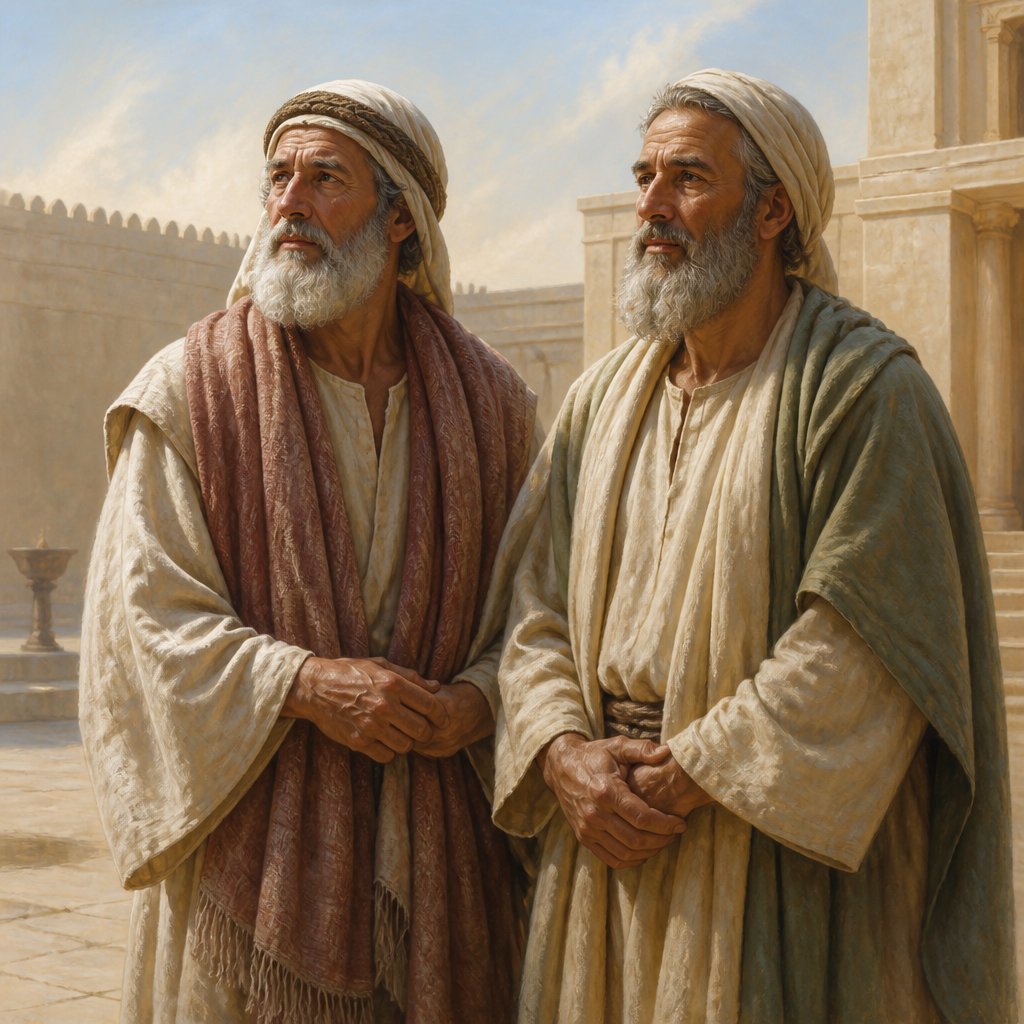
Nehemiah 12:14 (KJV) states: "Of Melicu, Jonathan; of Shebaniah, Joseph;"
In order to fully understand the meaning and context of this verse, it is important to first have some background knowledge of the book of Nehemiah. Nehemiah is one of the historical books in the Old Testament, and it tells the story of Nehemiah, a Jewish man who served as the cupbearer to the Persian King Artaxerxes. Nehemiah felt called by God to return to Jerusalem and oversee the rebuilding of the city's walls, which had been destroyed by the Babylonians. The book of Nehemiah also chronicles the spiritual reformation that took place among the people during this time.
Nehemiah 12:14 is part of a list of priests and Levites who are being mentioned as part of the processional dedication of the rebuilt walls of Jerusalem. This procession was a significant event in the history of Jerusalem, as it marked the completion of the city's restoration and the return of the people to obedience and faith in God.
The specific mention of "Melicu, Jonathan; of Shebaniah, Joseph;" is a part of the larger list of priests and Levites who played integral roles in the dedication of the walls. Each person mentioned in this list has significance, as they were all instrumental in the restoration and spiritual revival of Jerusalem. It is important to note that in the Bible, the role of the priest and Levite was to lead the people in worship and adherence to the Mosaic law. Therefore, the inclusion of these names in the dedication procession emphasizes the importance of the spiritual aspect of the city's restoration.
In a wider context, Nehemiah 12:14 also serves to highlight the power of community and collaboration in achieving God's purposes. The rebuilding of the walls of Jerusalem was not the work of one person alone, but rather a collective effort of priests, Levites, and other members of the community. This verse speaks to the idea that when individuals come together in service to God, great things can be accomplished. It also serves as a reminder that every individual has a role to play in the work of the kingdom of God.
Symbolically, the names mentioned in Nehemiah 12:14 can also be seen as a representation of the diversity and unity within the community of believers. The different names and roles mentioned in this verse illustrate the unique contributions of each individual, while also emphasizing the interconnectedness of the community as a whole. This reflects the biblical theme of the body of Christ, where each member has a distinct role to play, and all are equally important in the eyes of God.
Overall, Nehemiah 12:14 is not just a list of names, but a testament to the power of unity, collaboration, and spiritual leadership. It serves as a reminder of the importance of community in accomplishing God's work, and the significance of every individual's contribution to the kingdom of God. This verse encourages believers to work together in service to God, while also recognizing and honoring the unique roles and gifts of each person within the community.
Get our apps


Artwork for Nehemiah 12:14

Nehemiah 12:14 - "Of Melicu, Jonathan; of Shebaniah, Joseph;"
"Of Melicu, Jonathan; of Shebaniah, Joseph;" - Nehemiah 12:14

Nehemiah 12:26 - "These were in the days of Joiakim the son of Jeshua, the son of Jozadak, and in the days of Nehemiah the governor, and of Ezra the priest, the scribe."

Nehemiah 11:11-14

Nehemiah 12:33 - "And Azariah, Ezra, and Meshullam,"

Nehemiah 12:5 - "Miamin, Maadiah, Bilgah,"

Nehemiah 12:2 - "Amariah, Malluch, Hattush,"

Nehemiah 12:4 - "Iddo, Ginnetho, Abijah,"

Nehemiah 12:3 - "Shechaniah, Rehum, Meremoth,"

Nehemiah 10:12 - "Zaccur, Sherebiah, Shebaniah,"

Nehemiah 12:6 - "Shemaiah, and Joiarib, Jedaiah,"

Nehemiah 12:12 - "And in the days of Joiakim were priests, the chief of the fathers: of Seraiah, Meraiah; of Jeremiah, Hananiah;"

Nehemiah 12:16 - "Of Iddo, Zechariah; of Ginnethon, Meshullam;"

Nehemiah 12:13 - "Of Ezra, Meshullam; of Amariah, Jehohanan;"

Nehemiah 12:20 - "Of Sallai, Kallai; of Amok, Eber;"

Nehemiah 12:19 - "And of Joiarib, Mattenai; of Jedaiah, Uzzi;"

Nehemiah 12:34 - "Judah, and Benjamin, and Shemaiah, and Jeremiah,"

Nehemiah 12:15 - "Of Harim, Adna; of Meraioth, Helkai;"

Nehemiah 12:18 - "Of Bilgah, Shammua; of Shemaiah, Jehonathan;"

Nehemiah 12:21 - "Of Hilkiah, Hashabiah; of Jedaiah, Nethaneel."

Nehemiah 7:14 - "The children of Zaccai, seven hundred and threescore."

Nehemiah 12:17 - "Of Abijah, Zichri; of Miniamin, of Moadiah, Piltai;"

Nehemiah 12:11 - "And Joiada begat Jonathan, and Jonathan begat Jaddua."

Nehemiah 7:12 - "The children of Elam, a thousand two hundred fifty and four."

Nehemiah 12:32 - "And after them went Hoshaiah, and half of the princes of Judah,"

Nehemiah 10:14 - "The chief of the people; Parosh, Pahath-moab, Elam, Zatthu, Bani,"

"Miamin, Maadiah, Bilgah," - Nehemiah 12:5

"Shemaiah, and Joiarib, Jedaiah," - Nehemiah 12:6

"Zaccur, Sherebiah, Shebaniah," - Nehemiah 10:12

"Iddo, Ginnetho, Abijah," - Nehemiah 12:4