What does Nehemiah 12:18 mean?
“Of Bilgah, Shammua; of Shemaiah, Jehonathan;” — Nehemiah 12:18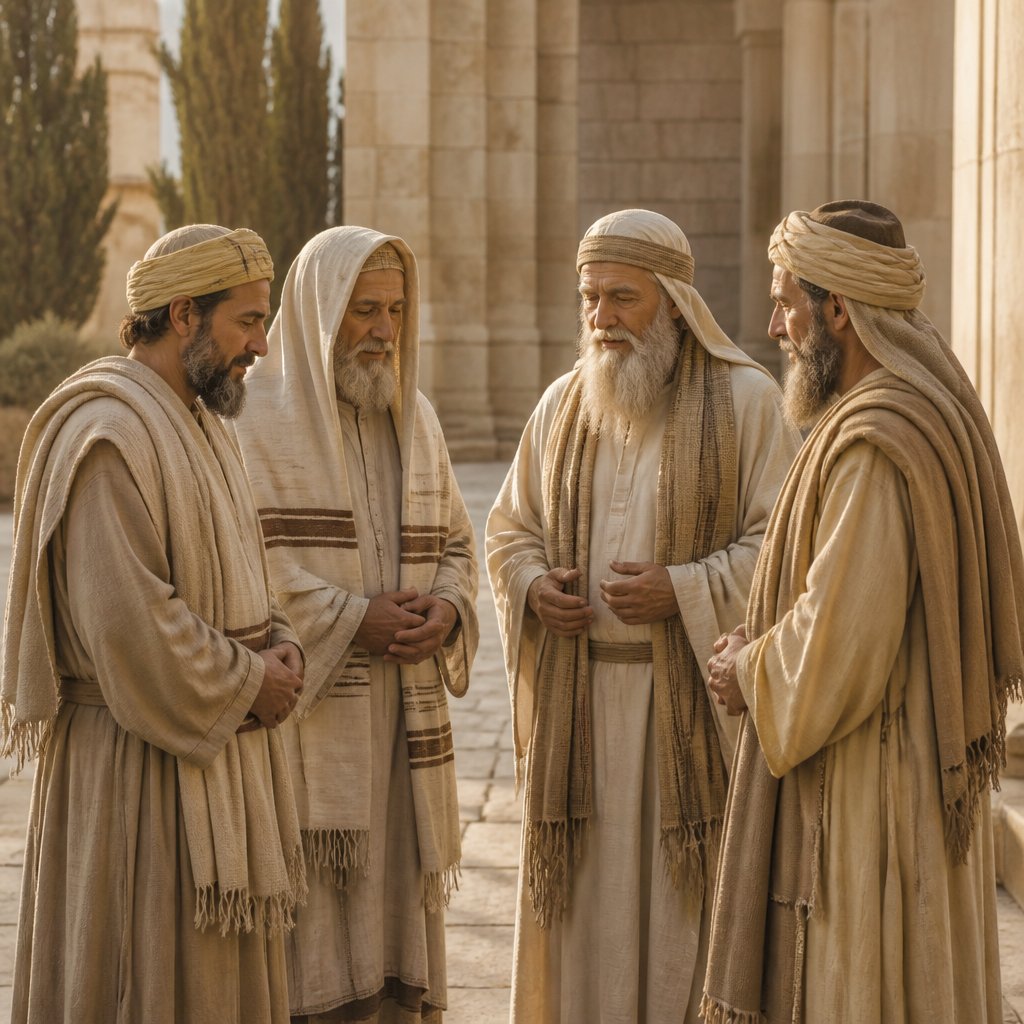
Nehemiah 12:18 in the King James Version of the Bible states:
"And their brethren, which were in their villages, were to come after seven days from time to time with them."
This verse is taken from the book of Nehemiah in the Old Testament. The book of Nehemiah is set during the time of the Persian Empire and follows the story of Nehemiah, a Jewish man who served as the cupbearer to the king of Persia. Nehemiah receives news about the poor state of Jerusalem, and he is moved to pray and ask for God's help. After receiving permission from the king, Nehemiah travels to Jerusalem to help rebuild the city's walls and restore its spiritual and social life.
The verse itself is a part of a list of names of priests and Levites who took part in the dedication of the wall of Jerusalem. The verse points to the participation of the priests' and Levites' brethren, who were living in their villages, in the dedication ceremony of the wall. These brethren were to come after seven days from time to time with them, indicating that there was a set schedule for their participation in the dedication and that they were expected to be present at certain intervals.
The verse serves as a reminder of the unity and collective effort of the people of Jerusalem in the task of rebuilding the wall and dedicating it to God. It highlights the importance of community and the shared responsibility of all members in the spiritual and social life of the city. The willingness of the priests and Levites, as well as their brethren in the villages, to come together and participate in the dedication reflects their commitment to the restoration and rejuvenation of Jerusalem.
The themes present in this verse include unity, community, and collective responsibility. The idea of individuals coming together for a common purpose is central to the verse. It stresses the importance of every member of the community contributing to the well-being and prosperity of the city. This theme of unity and shared responsibility is a recurring motif throughout the book of Nehemiah, as the people of Jerusalem work together to rebuild their city.
The verse also speaks to the concept of dedication and the commitment to consecrating the walls of Jerusalem to the service of God. The priests and Levites, as well as their brethren, were actively involved in the process of dedicating the wall, demonstrating their dedication to the spiritual and physical restoration of their city. This dedication serves as a symbol of their faith and obedience to God's will.
Additionally, the verse carries a message of continuity and regularity in worship and service. The mention of the seven days and the coming "from time to time" indicates a consistent and ongoing commitment to the work of God. This emphasizes the importance of regular worship and spiritual practice in the life of the community.
Symbolically, the dedication of the wall of Jerusalem can be seen as a representation of the spiritual protection and security provided by God. By consecrating the wall to God, the people of Jerusalem were seeking His protection and blessing over their city. The participation of the priests and Levites, along with their brethren, signifies their role as intermediaries between God and the people, reflecting the importance of spiritual leadership and guidance.
In conclusion, Nehemiah 12:18 carries significant themes of unity, dedication, and continuity. It emphasizes the importance of collective effort and shared responsibility in the spiritual and social life of the community. The verse serves as a reminder of the commitment and devotion of the people of Jerusalem to the restoration and consecration of their city to God. It also highlights the role of spiritual leaders in guiding and uniting the community in its worship and service. Overall, this verse conveys a message of faith, resilience, and unity in the face of adversity.
Get our apps


Artwork for Nehemiah 12:18

Nehemiah 12:18 - "Of Bilgah, Shammua; of Shemaiah, Jehonathan;"

"Of Bilgah, Shammua; of Shemaiah, Jehonathan;" - Nehemiah 12:18

Nehemiah 10:18 - "Hodijah, Hashum, Bezai,"

Nehemiah 12:26 - "These were in the days of Joiakim the son of Jeshua, the son of Jozadak, and in the days of Nehemiah the governor, and of Ezra the priest, the scribe."

Nehemiah 12:33 - "And Azariah, Ezra, and Meshullam,"

Nehemiah 12:5 - "Miamin, Maadiah, Bilgah,"

Nehemiah 12:2 - "Amariah, Malluch, Hattush,"

Nehemiah 12:4 - "Iddo, Ginnetho, Abijah,"

Nehemiah 12:3 - "Shechaniah, Rehum, Meremoth,"

Nehemiah 10:12 - "Zaccur, Sherebiah, Shebaniah,"

Nehemiah 12:6 - "Shemaiah, and Joiarib, Jedaiah,"

Nehemiah 7:18 - "The children of Adonikam, six hundred threescore and seven."

Nehemiah 12:12 - "And in the days of Joiakim were priests, the chief of the fathers: of Seraiah, Meraiah; of Jeremiah, Hananiah;"

Nehemiah 12:16 - "Of Iddo, Zechariah; of Ginnethon, Meshullam;"

Nehemiah 12:13 - "Of Ezra, Meshullam; of Amariah, Jehohanan;"

Nehemiah 12:20 - "Of Sallai, Kallai; of Amok, Eber;"

Nehemiah 12:19 - "And of Joiarib, Mattenai; of Jedaiah, Uzzi;"

Nehemiah 12:34 - "Judah, and Benjamin, and Shemaiah, and Jeremiah,"

Nehemiah 12:15 - "Of Harim, Adna; of Meraioth, Helkai;"

Nehemiah 12:14 - "Of Melicu, Jonathan; of Shebaniah, Joseph;"

Nehemiah 12:21 - "Of Hilkiah, Hashabiah; of Jedaiah, Nethaneel."

Nehemiah 12:17 - "Of Abijah, Zichri; of Miniamin, of Moadiah, Piltai;"

"Hodijah, Hashum, Bezai," - Nehemiah 10:18

Nehemiah 12:11 - "And Joiada begat Jonathan, and Jonathan begat Jaddua."

Nehemiah 7:12 - "The children of Elam, a thousand two hundred fifty and four."

Nehemiah 12:32 - "And after them went Hoshaiah, and half of the princes of Judah,"

"Miamin, Maadiah, Bilgah," - Nehemiah 12:5

"Shemaiah, and Joiarib, Jedaiah," - Nehemiah 12:6

"Zaccur, Sherebiah, Shebaniah," - Nehemiah 10:12

"Iddo, Ginnetho, Abijah," - Nehemiah 12:4