What does Nehemiah 2:1 mean?
“And it came to pass in the month Nisan, in the twentieth year of Artaxerxes the king, that wine was before him: and I took up the wine, and gave it unto the king. Now I had not been beforetime sad in his presence.” — Nehemiah 2:1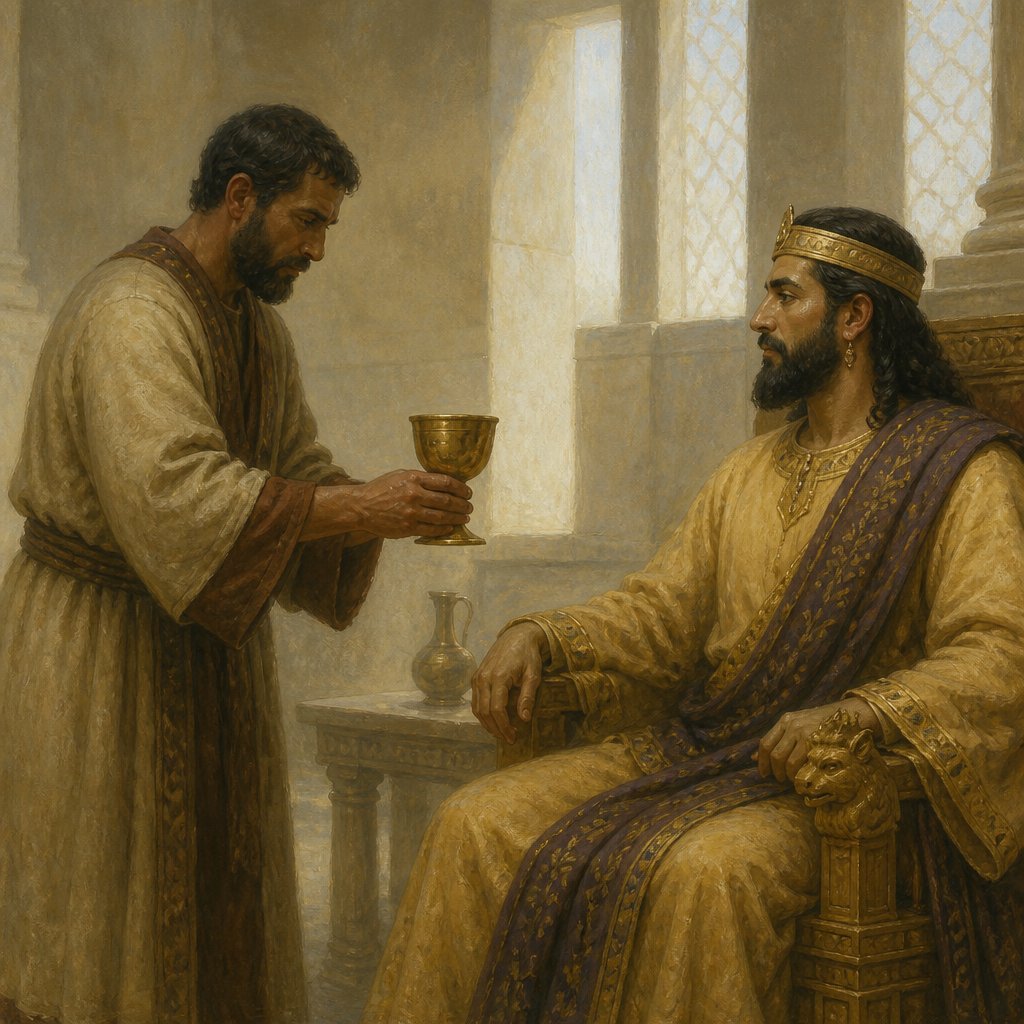
The Bible verse Nehemiah 2:1 from the King James Version (KJV) states, "And it came to pass in the month Nisan, in the twentieth year of Artaxerxes the king, that wine was before him: and I took up the wine, and gave it unto the king. Now I had not been beforetime sad in his presence." This verse is part of the larger narrative of the book of Nehemiah, which tells the story of Nehemiah's leadership in the rebuilding of the walls of Jerusalem.
The context of this verse is important in understanding its deeper meaning. Nehemiah was a cupbearer for King Artaxerxes, which meant that he was in a position of high authority and trust in the royal court. In this particular verse, it is revealed that Nehemiah was feeling sad, which was unusual for him in the presence of the king. This sets the stage for the subsequent events that unfold in the book of Nehemiah.
One of the key themes in this verse is the concept of divine timing and providence. The mention of the month Nisan and the twentieth year of Artaxerxes the king suggests that this was a specific moment in history that set the stage for God’s plan to be carried out. The fact that Nehemiah was feeling sad at this particular time was not a coincidence, but rather a pivotal moment in his life that would lead to his role in the rebuilding of Jerusalem.
Another important theme in this verse is the concept of courage and boldness. Despite feeling sad, Nehemiah still took the initiative to approach the king and serve him. This demonstrates Nehemiah's inner strength and his willingness to fulfill his duties even in the midst of personal hardship. This act of bravery sets the stage for Nehemiah to later approach the king with a request to rebuild the walls of Jerusalem.
Symbolically, the wine mentioned in this verse can be seen as a representation of Nehemiah's service and loyalty to the king. By taking up the wine and giving it to the king, Nehemiah was demonstrating his dedication to his role as cupbearer. This act also symbolizes Nehemiah's willingness to serve and support the king, even when he was experiencing personal sadness.
Furthermore, the juxtaposition of Nehemiah's sadness with his outward appearance of composure in the king's presence can be seen as a symbol of the internal struggles that individuals may face while maintaining a strong outward facade. It serves as a reminder that everyone faces hardships and challenges, but it is important to continue fulfilling one's responsibilities and duties, regardless of personal circumstances.
In conclusion, Nehemiah 2:1 from the King James Version holds deep meaning and significance within the larger narrative of the book of Nehemiah. It serves as a pivotal moment in Nehemiah's journey and highlights important themes such as divine timing, providence, courage, and loyalty. The verse also contains symbolic elements that convey powerful messages about inner strength and perseverance. As readers reflect on this verse, they are reminded of the importance of remaining steadfast in fulfilling their responsibilities, even in the face of personal adversity.
Get our apps


Artwork for Nehemiah 2:1

Nehemiah 2:1 - "And it came to pass in the month Nisan, in the twentieth year of Artaxerxes the king, that wine was before him: and I took up the wine, and gave it unto the king. Now I had not been beforetime sad in his presence."
"And it came to pass in the month Nisan, in the twentieth year of Artaxerxes the king, that wine was before him: and I took up the wine, and gave it unto the king. Now I had not been beforetime sad in his presence." - Nehemiah 2:1

Nehemiah 1:1 - "The words of Nehemiah the son of Hachaliah. And it came to pass in the month Chisleu, in the twentieth year, as I was in Shushan the palace,"

Nehemiah 10:1 - "Now those that sealed were, Nehemiah, the Tirshatha, the son of Hachaliah, and Zidkijah,"

Nehemiah 12:2 - "Amariah, Malluch, Hattush,"

Nehemiah 11:1-19

Nehemiah 1:2 - "That Hanani, one of my brethren, came, he and certain men of Judah; and I asked them concerning the Jews that had escaped, which were left of the captivity, and concerning Jerusalem."

Nehemiah 10:2 - "Seraiah, Azariah, Jeremiah,"

Nehemiah 11:13

Nehemiah 8:10

Nehemiah 11:11-14

Nehemiah 2:11 - "So I came to Jerusalem, and was there three days."

"The words of Nehemiah the son of Hachaliah. And it came to pass in the month Chisleu, in the twentieth year, as I was in Shushan the palace," - Nehemiah 1:1

"Now those that sealed were, Nehemiah, the Tirshatha, the son of Hachaliah, and Zidkijah," - Nehemiah 10:1

Nehemiah book overview with element mentioned
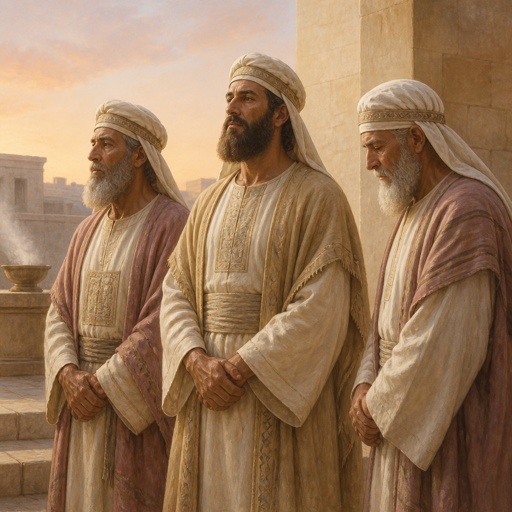
"Amariah, Malluch, Hattush," - Nehemiah 12:2
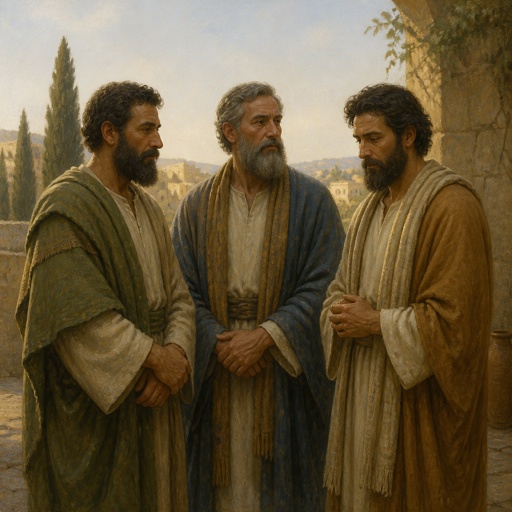
"Seraiah, Azariah, Jeremiah," - Nehemiah 10:2

Nehemiah 11:2 - "And the people blessed all the men, that willingly offered themselves to dwell at Jerusalem."

Nehemiah 5:1 - "And there was a great cry of the people and of their wives against their brethren the Jews."

Ezra 2:2 - "Which came with Zerubbabel: Jeshua, Nehemiah, Seraiah, Reelaiah, Mordecai, Bilshan, Mispar, Bigvai, Rehum, Baanah. The number of the men of the people of Israel:"

Nehemiah 2:14 - "Then I went on to the gate of the fountain, and to the king's pool: but there was no place for the beast that was under me to pass."

Nehemiah 3:2 - "And next unto him builded the men of Jericho. And next to them builded Zaccur the son of Imri."

Nehemiah 9:2 - "And the seed of Israel separated themselves from all strangers, and stood and confessed their sins, and the iniquities of their fathers."

Nehemiah 2:15 - "Then went I up in the night by the brook, and viewed the wall, and turned back, and entered by the gate of the valley, and so returned."

Nehemiah 2:4 - "Then the king said unto me, For what dost thou make request? So I prayed to the God of heaven."

Nehemiah 2:2 - "Wherefore the king said unto me, Why is thy countenance sad, seeing thou art not sick? this is nothing else but sorrow of heart. Then I was very sore afraid,"

"So I came to Jerusalem, and was there three days." - Nehemiah 2:11
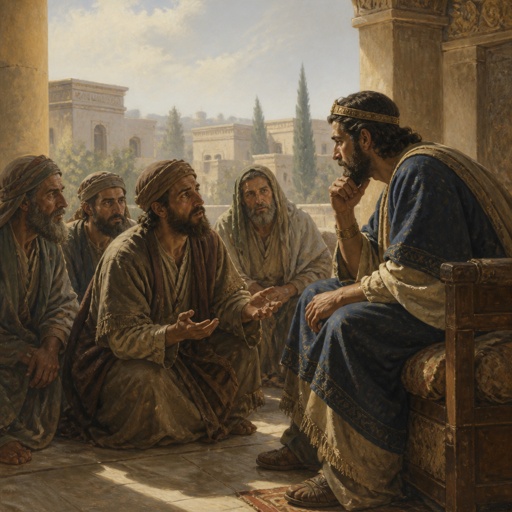
"That Hanani, one of my brethren, came, he and certain men of Judah; and I asked them concerning the Jews that had escaped, which were left of the captivity, and concerning Jerusalem." - Nehemiah 1:2

Nehemiah 12:1 - "Now these are the priests and the Levites that went up with Zerubbabel the son of Shealtiel, and Jeshua: Seraiah, Jeremiah, Ezra,"

A biblical scene from Nehemiah 1:5-11 - Nehemiah, a Caucasian male in middle-eastern garb, is depicted respectfully requesting time from the king, a Middle-Eastern male seated at the dinner table while Nehemiah is serving his drink. He is asking for the opportunity to return to Judah and help his people build a wall. The setting is a grand royal court marked by golden hues, opulent textiles, and architecturally rich columns.