What does Nehemiah 2:4 mean?
“Then the king said unto me, For what dost thou make request? So I prayed to the God of heaven.” — Nehemiah 2:4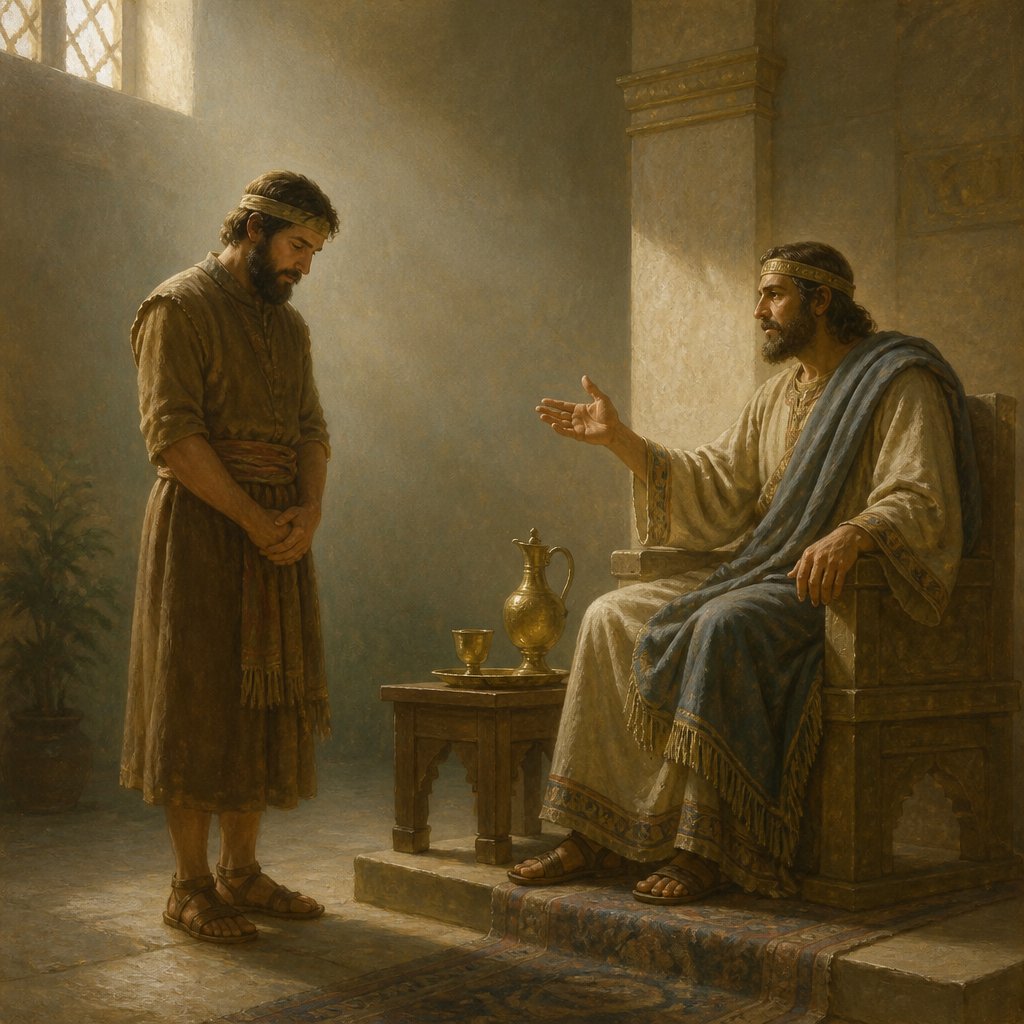
In Nehemiah 2:4 (KJV), the verse reads, "Then the king said unto me, For what dost thou make request? So I prayed to the God of heaven." This verse comes from the book of Nehemiah, which is part of the Old Testament and is set in the time of the Persian Empire. It follows the story of Nehemiah, a Jewish man who rose to a position of influence in the court of the Persian king Artaxerxes. Nehemiah is deeply concerned about the state of Jerusalem, which lies in ruins, and he is granted permission by the king to return to the city to oversee its rebuilding.
In this particular verse, Nehemiah has just been invited by the king to make a request. This is a pivotal moment in the narrative, as it marks the opportunity for Nehemiah to ask for the king's support in the endeavor to rebuild Jerusalem. Instead of responding immediately, Nehemiah first turns to prayer. This action demonstrates Nehemiah's faith and reliance on God's guidance as he navigates the challenges and uncertainties of his mission.
The verse resonates with the theme of faith and trust in God's providence. Nehemiah's decision to pray before making his request to the king reveals his understanding that true wisdom and discernment come from God. In doing so, Nehemiah acknowledges his dependence on God's intervention and guidance. This act of prayer also serves as a model for believers, emphasizing the importance of seeking God's will before taking action or making important decisions.
Additionally, this verse highlights the significance of prayer in the life of a believer, especially in times of decision-making and seeking direction. It underscores the idea that prayer is not just a formality but a meaningful conversation with God, in which one can seek guidance, receive comfort, and express gratitude. Nehemiah's example serves as a reminder for believers to incorporate prayer into their daily lives, drawing strength and wisdom from their relationship with God.
The context of this verse within the larger narrative of Nehemiah's story further emphasizes its significance. Nehemiah's role in seeking to rebuild Jerusalem reflects his dedication to the welfare of his people and his commitment to fulfilling God's purpose. His decision to pray before approaching the king underscores the spiritual dimension of his leadership and the extent to which he relies on God's help in carrying out his mission.
Moreover, the verse can also be seen as symbolic of the broader theme of reliance on God in the face of daunting challenges. Nehemiah's task of rebuilding Jerusalem is a monumental undertaking, fraught with opposition and obstacles. His act of prayer before making his request signifies his recognition of the magnitude of the task and his reliance on divine strength to see it through. This serves as an encouragement for believers to trust in God's provision and guidance, even when faced with seemingly insurmountable difficulties.
In summary, Nehemiah 2:4 (KJV) captures the essence of Nehemiah's faith, wisdom, and reliance on God as he embarks on the significant task of rebuilding Jerusalem. The verse encourages believers to seek God's guidance through prayer, to acknowledge their dependence on His providence, and to trust in His strength when faced with challenges. It serves as a powerful testament to the enduring relevance of faith and prayer in the lives of believers, and the enduring importance of seeking God's will in all endeavors.
Get our apps


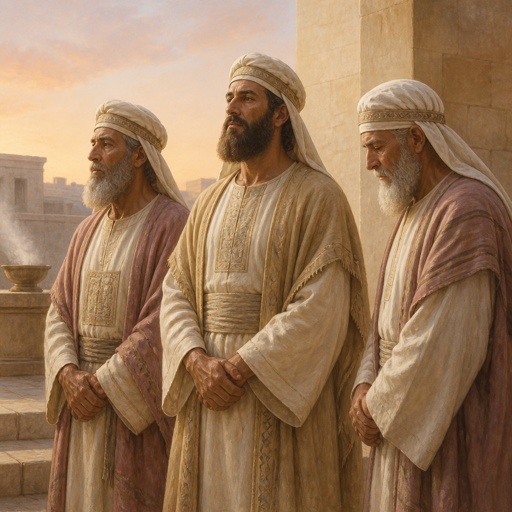
Artwork for Nehemiah 2:4

Nehemiah 2:4 - "Then the king said unto me, For what dost thou make request? So I prayed to the God of heaven."

Nehemiah 2:4 (KJVA) 4 Then the king said unto me, For what dost thou make request? So I prayed to the God of heaven.

Nehemiah 2:4 (KJVA) 4 Then the king said unto me, For what dost thou make request? So I prayed to the God of heaven.
"Then the king said unto me, For what dost thou make request? So I prayed to the God of heaven." - Nehemiah 2:4

Nehemiah 4:6

Nehemiah 4:6

Nehemiah 4:6

Nehemiah 12:4 - "Iddo, Ginnetho, Abijah,"

Nehemiah 10:4 - "Hattush, Shebaniah, Malluch,"
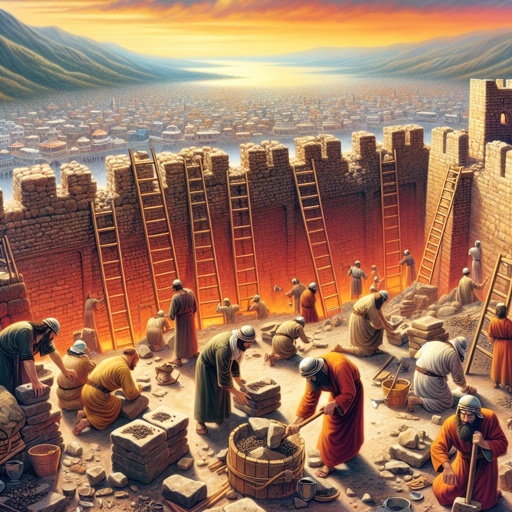
Nehemiah 4:2 - "And he spake before his brethren and the army of Samaria, and said, What do these feeble Jews? will they fortify themselves? will they sacrifice? will they make an end in a day? will they revive the stones out of the heaps of the rubbish which are burned?"

"Iddo, Ginnetho, Abijah," - Nehemiah 12:4

"Hattush, Shebaniah, Malluch," - Nehemiah 10:4

Nehemiah 4:4 - "Hear, O our God; for we are despised: and turn their reproach upon their own head, and give them for a prey in the land of captivity:"

Nehemiah 4:8 - "And conspired all of them together to come and to fight against Jerusalem, and to hinder it."

Nehemiah 12:2 - "Amariah, Malluch, Hattush,"

Nehemiah 10:2 - "Seraiah, Azariah, Jeremiah,"

Nehemiah 4:17 – "Those who carried materials did their work with one hand and held a weapon in the other."

Nehemiah 7:4 - "Now the city was large and great: but the people were few therein, and the houses were not builded."

Nehemiah 4:17 – "Those who carried materials did their work with one hand and held a weapon in the other."

Nehemiah 13:4 - "¶ And before this, Eliashib the priest, having the oversight of the chamber of the house of our God, was allied unto Tobiah:"

Nehemiah 2:11 - "So I came to Jerusalem, and was there three days."

Nehemiah 5:4 - "There were also that said, We have borrowed money for the king's tribute, and that upon our lands and vineyards."

Nehemiah 4:10 - "And Judah said, The strength of the bearers of burdens is decayed, and there is much rubbish; so that we are not able to build the wall."

Nehemiah 6:4 - "Yet they sent unto me four times after this sort; and I answered them after the same manner."

Nehemiah 4:21 - "So we laboured in the work: and half of them held the spears from the rising of the morning till the stars appeared."
"Seraiah, Azariah, Jeremiah," - Nehemiah 10:2
"Amariah, Malluch, Hattush," - Nehemiah 12:2

Nehemiah 4:5 - "And cover not their iniquity, and let not their sin be blotted out from before thee: for they have provoked thee to anger before the builders."

Nehemiah 4:18 - "For the builders, every one had his sword girded by his side, and so builded. And he that sounded the trumpet was by me."

Nehemiah 4:6 - "So built we the wall; and all the wall was joined together unto the half thereof: for the people had a mind to work."