What does Nehemiah 2:6 mean?
“And the king said unto me, (the queen also sitting by him,) For how long shall thy journey be? and when wilt thou return? So it pleased the king to send me; and I set him a time.” — Nehemiah 2:6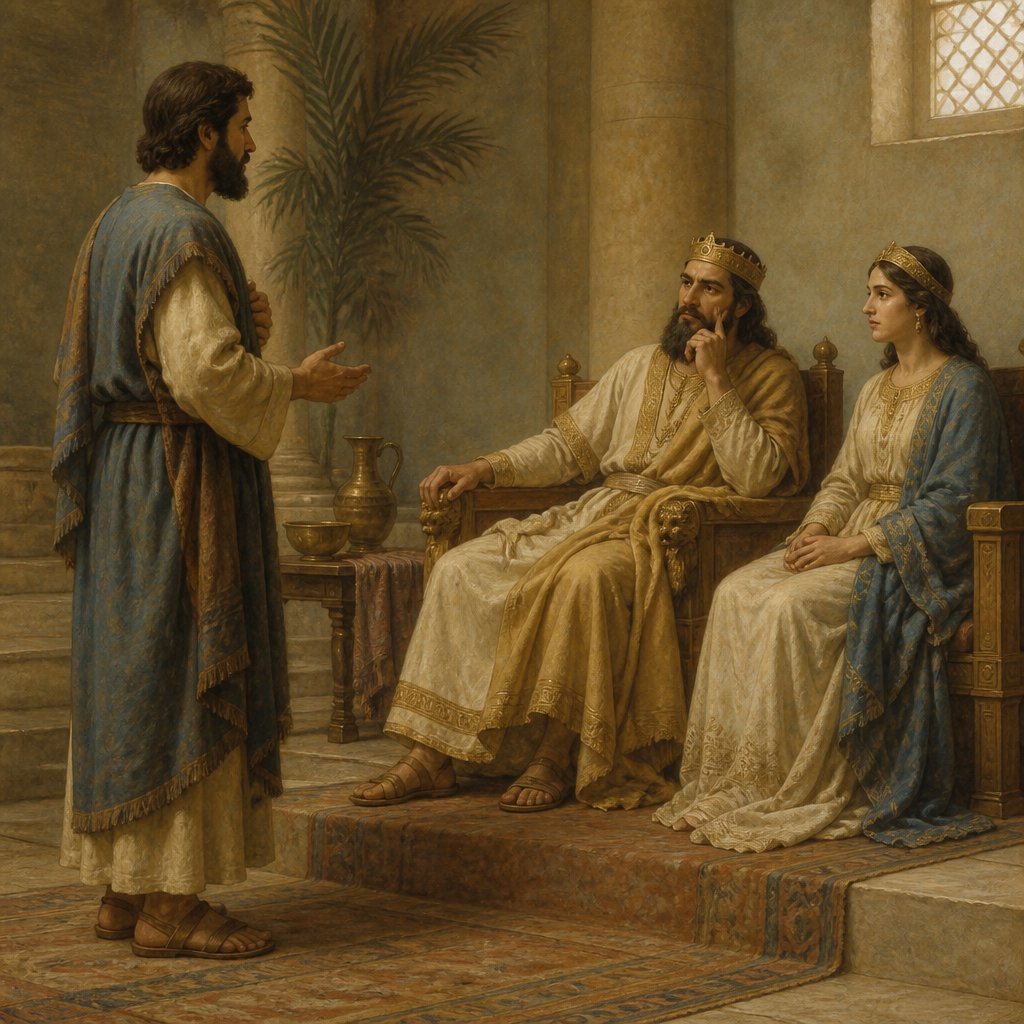
The Bible verse Nehemiah 2:6 in the King James Version (KJV) states, "And the king said unto me, (the queen also sitting by him,) For how long shall thy journey be? and when wilt thou return? So it pleased the king to send me; and I set him a time."
This verse is part of the larger narrative in the book of Nehemiah, which tells the story of a Jewish man of the same name who held a high position in the Persian court as cupbearer to King Artaxerxes. Nehemiah receives news about the state of Jerusalem and is moved to seek permission from the king to go and rebuild the city's walls and gates. This verse is from the moment when Nehemiah requests this permission and the king's response.
The themes present in this verse include the providence of God, the power of prayer, and the importance of timing.
First, the verse reflects the providence of God in Nehemiah's circumstances. Nehemiah's courage and boldness in approaching the king to ask for permission to return to Jerusalem were no doubt inspired and empowered by God. It is no small thing to request a leave of absence from a Persian king, and yet not only is King Artaxerxes receptive to Nehemiah's request, but he also offers resources and support for the rebuilding project. This shows the sovereignty of God at work in the lives of His people, orchestrating events and using individuals for His purposes.
Secondly, this verse exemplifies the power of prayer. Before approaching the king, Nehemiah would have undoubtedly spent time in prayer, seeking God's guidance and favor. The fact that the king not only grants Nehemiah's request but also provides him with letters for safe passage and supplies for the project demonstrates that God hears and answers the prayers of His people. Nehemiah's willingness to rely on prayer before taking action reflects a deep faith and trust in God's ability to intervene on his behalf.
Furthermore, the verse highlights the importance of timing in the fulfillment of God's plans. Nehemiah had been burdened by the state of Jerusalem for some time before he was ready to make his request to the king. After prayerful consideration and planning, he chose the right moment to approach the king. The king's willingness to grant Nehemiah's request and provide the necessary support indicates that the timing was aligned with God's will. This serves as a reminder that God's timing is always perfect, and as believers, we should trust in His divine schedule for the outworking of His plans.
In terms of context, Nehemiah's request to the king also carries political and strategic implications. King Artaxerxes ruled over a vast empire, and his support was crucial in ensuring the success of Nehemiah's mission to rebuild Jerusalem. By receiving the king's permission and support, Nehemiah was able to embark on his journey with the necessary resources and protection. The inclusion of the queen's presence in the scene further emphasizes the significance of this moment, as her presence adds an additional layer of authority and approval to Nehemiah's request.
Symbolically, the interaction between Nehemiah and the king represents the power of divine intervention and influence in the affairs of men. Nehemiah's bravery in approaching the king, combined with the king's favorable response, serves as a model for believers to boldly approach God with their requests and to trust in His ability to move the hearts of those in positions of authority.
In conclusion, Nehemiah 2:6 in the KJV captures a pivotal moment in Nehemiah's quest to rebuild Jerusalem, highlighting the providence of God, the power of prayer, and the importance of timing. This verse serves as a powerful reminder of God's sovereignty and influence in the affairs of mankind and encourages believers to trust in His perfect timing and providential care.
Get our apps


Artwork for Nehemiah 2:6

Nehemiah 2:6 - "And the king said unto me, (the queen also sitting by him,) For how long shall thy journey be? and when wilt thou return? So it pleased the king to send me; and I set him a time."
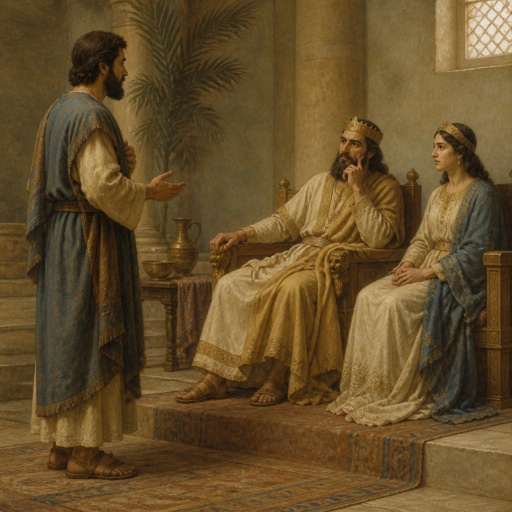
"And the king said unto me, (the queen also sitting by him,) For how long shall thy journey be? and when wilt thou return? So it pleased the king to send me; and I set him a time." - Nehemiah 2:6

Nehemiah 4:6

Nehemiah 4:6

Nehemiah 4:6

Nehemiah 6:9

Nehemiah 6:2 - "That Sanballat and Geshem sent unto me, saying, Come, let us meet together in some one of the villages in the plain of Ono. But they thought to do me mischief."

Nehemiah 10:6 - "Daniel, Ginnethon, Baruch,"

Nehemiah 12:6 - "Shemaiah, and Joiarib, Jedaiah,"

"Shemaiah, and Joiarib, Jedaiah," - Nehemiah 12:6

"Daniel, Ginnethon, Baruch," - Nehemiah 10:6

Nehemiah 5:6 - "¶ And I was very angry when I heard their cry and these words."

Nehemiah 6:15 – "So the wall was completed on the twenty-fifth of Elul, in fifty-two days."
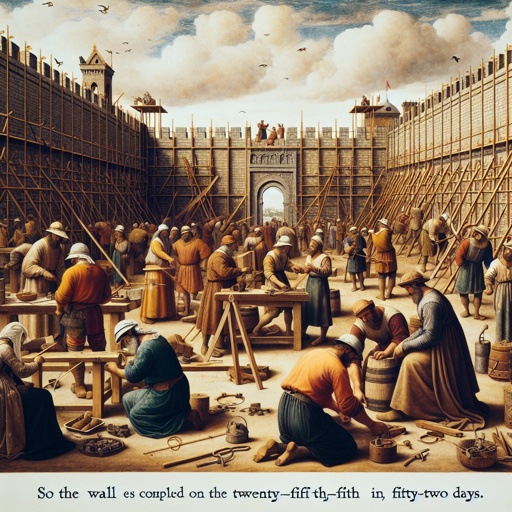
Nehemiah 6:15 – "So the wall was completed on the twenty-fifth of Elul, in fifty-two days."

Nehemiah 12:2 - "Amariah, Malluch, Hattush,"
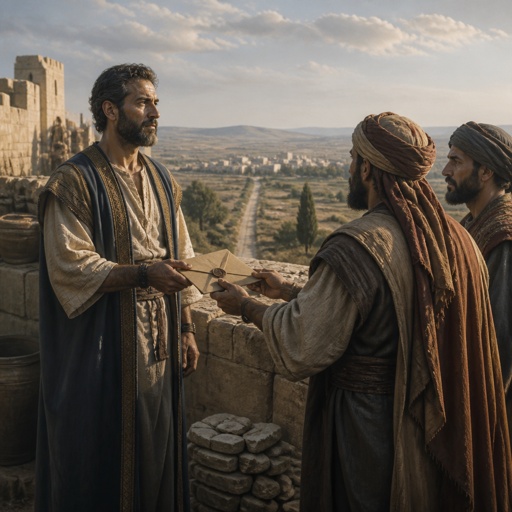
"That Sanballat and Geshem sent unto me, saying, Come, let us meet together in some one of the villages in the plain of Ono. But they thought to do me mischief." - Nehemiah 6:2

Nehemiah 10:2 - "Seraiah, Azariah, Jeremiah,"

Nehemiah 6:15 - "¶ So the wall was finished in the twenty and fifth day of the month Elul, in fifty and two days."

Nehemiah 11:6 - "All the sons of Perez that dwelt at Jerusalem were four hundred threescore and eight valiant men."

Nehemiah 6:6 - "Wherein was written, It is reported among the heathen, and Gashmu saith it, that thou and the Jews think to rebel: for which cause thou buildest the wall, that thou mayest be their king, according to these words."

Nehemiah 6:4 - "Yet they sent unto me four times after this sort; and I answered them after the same manner."

Nehemiah 6:5 - "Then sent Sanballat his servant unto me in like manner the fifth time with an open letter in his hand;"

Nehemiah 2:11 - "So I came to Jerusalem, and was there three days."

Nehemiah 6:17 - "¶ Moreover in those days the nobles of Judah sent many letters unto Tobiah, and the letters of Tobiah came unto them."

Nehemiah 4:6 - "So built we the wall; and all the wall was joined together unto the half thereof: for the people had a mind to work."

Nehemiah 6:8 - "Then I sent unto him, saying, There are no such things done as thou sayest, but thou feignest them out of thine own heart."
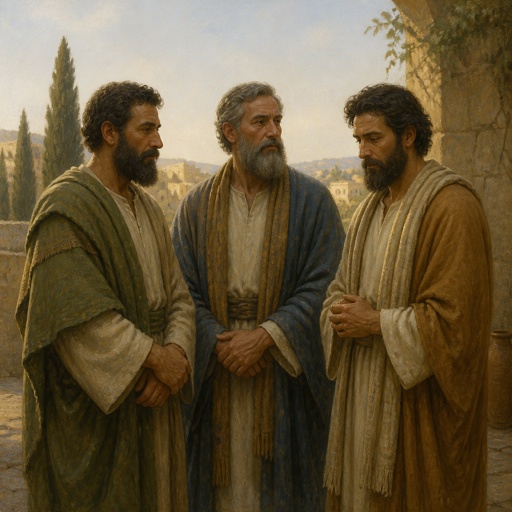
"Seraiah, Azariah, Jeremiah," - Nehemiah 10:2
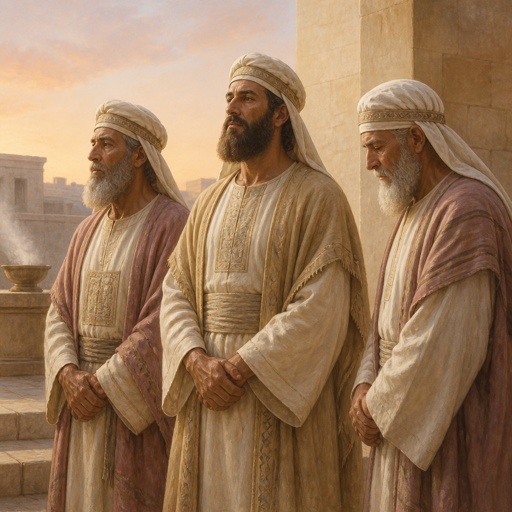
"Amariah, Malluch, Hattush," - Nehemiah 12:2

Nehemiah 6:12 - "And, lo, I perceived that God had not sent him; but that he pronounced this prophecy against me: for Tobiah and Sanballat had hired him."

Nehemiah 6:19 - "Also they reported his good deeds before me, and uttered my words to him. And Tobiah sent letters to put me in fear."