What does Nehemiah 3:26 mean?
“Moreover the Nethinims dwelt in Ophel, unto the place over against the water gate toward the east, and the tower that lieth out.” — Nehemiah 3:26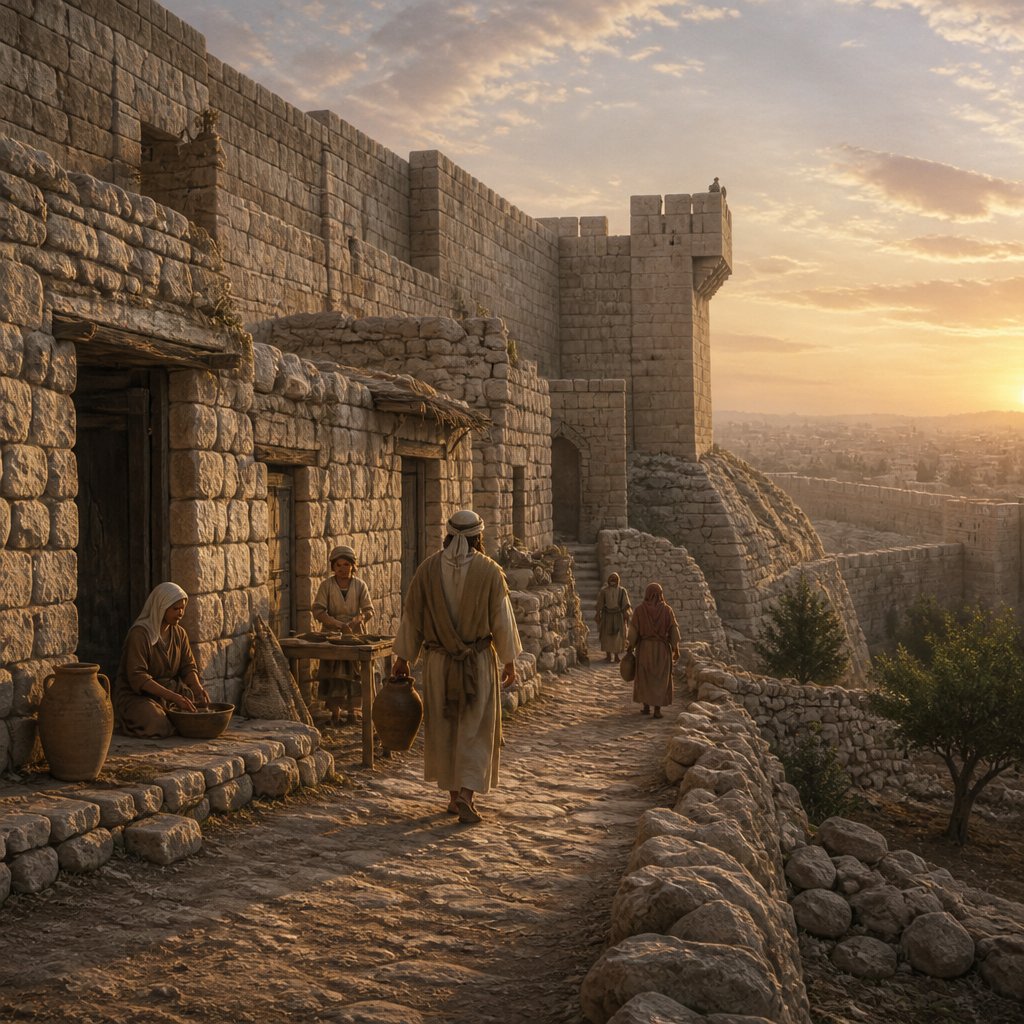
Nehemiah 3:26 in the King James Version of the Bible reads, "Moreover the Nethinims dwelt in Ophel, unto the place over against the water gate toward the east, and the tower that lieth out."
To truly understand the depth and meaning of this verse, it is important to provide some context. The book of Nehemiah is one of the historical books of the Bible and chronicles the story of Nehemiah, a Jewish man who served as the cupbearer to King Artaxerxes of Persia. Upon hearing about the plight of his people back in Jerusalem, Nehemiah is burdened to seek permission from the king to return to his homeland and help rebuild the city walls and restore the people's hope and faith in God. Upon his arrival in Jerusalem, Nehemiah and the people embark on a journey of restoration and revival, facing many obstacles and opposition along the way.
In Nehemiah 3:26, we witness a specific mention of the Nethinims, who dwelt in Ophel, towards the water gate and the tower that lieth out. The Nethinims were a group of individuals who were dedicated to serving the Levites and assisting with the temple duties. They were not of Israelite descent but were assigned to support the Levites in their work. Their presence and work in Ophel, near the water gate and the tower, signifies their involvement in the reconstruction and restoration efforts of Jerusalem.
Symbolically, this verse highlights the importance of diverse contributions in the rebuilding process. The Nethinims, though not of Israelite descent, played a crucial role in the restoration of Jerusalem. They symbolize the idea that all are called to participate in God's work, regardless of origin or background. Their presence serves as a reminder that God's kingdom is inclusive and that everyone has a part to play in the fulfillment of His purposes.
Further, the mention of Ophel, the water gate, and the tower holds significant symbolic meaning. Ophel was a region in Jerusalem, known for its elevation and connection to the city of David. The water gate served as an entryway into the city, while the tower represented strength and fortification. In this verse, these locations symbolize the varied aspects of the restoration process – the elevation of the task, the entry point for renewal, and the fortification of the city's defenses. Together, they represent the comprehensive nature of Nehemiah's mission to rebuild and strengthen the city of Jerusalem.
The eastward direction mentioned in the verse also carries symbolism. In biblical tradition, the east signifies new beginnings, hope, and the dawning of a new day. As the people of Jerusalem embarked on the journey of restoration, their focus on the eastward direction serves as a symbol of their commitment to embracing a new beginning and a renewed hope in God's promises.
Thematically, Nehemiah 3:26 underscores the idea of unity and collaboration in the face of adversity. The diverse groups of people, including the Nethinims, working together to rebuild the city walls, exemplify the power of collective effort and determination. This verse emphasizes the importance of each individual's contribution, regardless of their background, in the greater mission of restoration and revival. It serves as a reminder that God can use anyone to accomplish His purposes, and that unity in diversity is a key element in the fulfillment of God's plans.
In conclusion, Nehemiah 3:26, while seemingly a brief and specific verse, holds deep symbolic and thematic significance. It serves as a testament to the inclusive nature of God's kingdom, the power of collective effort, and the hope for new beginnings. This verse exemplifies the importance of diversity and collaboration in God's work, and it challenges us to embrace our unique roles in His grand design.
Get our apps


Artwork for Nehemiah 3:26

Nehemiah 3:26 - "Moreover the Nethinims dwelt in Ophel, unto the place over against the water gate toward the east, and the tower that lieth out."
"Moreover the Nethinims dwelt in Ophel, unto the place over against the water gate toward the east, and the tower that lieth out." - Nehemiah 3:26

Nehemiah 12:26 - "These were in the days of Joiakim the son of Jeshua, the son of Jozadak, and in the days of Nehemiah the governor, and of Ezra the priest, the scribe."

Nehemiah 10:26 - "And Ahijah, Hanan, Anan,"

Nehemiah 11:26 - "And at Jeshua, and at Moladah, and at Beth-phelet,"

Nehemiah 7:26 - "The men of Beth-lehem and Netophah, an hundred fourscore and eight."

"And Ahijah, Hanan, Anan," - Nehemiah 10:26

"And at Jeshua, and at Moladah, and at Beth-phelet," - Nehemiah 11:26

Nehemiah 12:3 - "Shechaniah, Rehum, Meremoth,"

Nehemiah 10:3 - "Pashur, Amariah, Malchijah,"

"These were in the days of Joiakim the son of Jeshua, the son of Jozadak, and in the days of Nehemiah the governor, and of Ezra the priest, the scribe." - Nehemiah 12:26
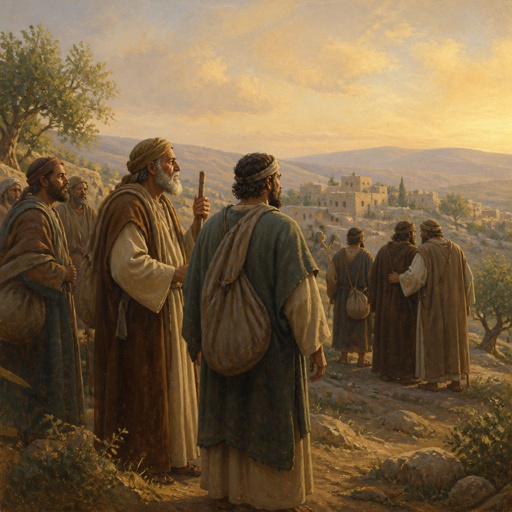
"The men of Beth-lehem and Netophah, an hundred fourscore and eight." - Nehemiah 7:26

Nehemiah 3:22 - "And after him repaired the priests, the men of the plain."

Nehemiah 3:16 - "After him repaired Nehemiah the son of Azbuk, the ruler of the half part of Beth-zur, unto the place over against the sepulchres of David, and to the pool that was made, and unto the house of the mighty."

"Pashur, Amariah, Malchijah," - Nehemiah 10:3

"Shechaniah, Rehum, Meremoth," - Nehemiah 12:3

Nehemiah 3:32 - "And between the going up of the corner unto the sheep gate repaired the goldsmiths and the merchants."

Nehemiah 3:5 - "And next unto them the Tekoites repaired; but their nobles put not their necks to the work of their Lord."

Nehemiah 3:3 - "But the fish gate did the sons of Hassenaah build, who also laid the beams thereof, and set up the doors thereof, the locks thereof, and the bars thereof."

Nehemiah 3:9 - "And next unto them repaired Rephaiah the son of Hur, the ruler of the half part of Jerusalem."

Nehemiah 3:18 - "After him repaired their brethren, Bavai the son of Henadad, the ruler of the half part of Keilah."

Nehemiah 3:11 - "Malchijah the son of Harim, and Hashub the son of Pahath-moab, repaired the other piece, and the tower of the furnaces."

Nehemiah 3:2 - "And next unto him builded the men of Jericho. And next to them builded Zaccur the son of Imri."

Nehemiah 3:28 - "From above the horse gate repaired the priests, every one over against his house."

Isaiah 26:3

Nehemiah 13:3 - "Now it came to pass, when they had heard the law, that they separated from Israel all the mixed multitude."
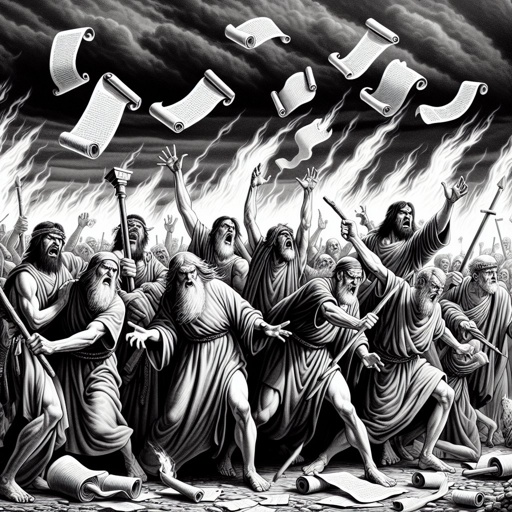
Nehemiah 9:26 - "Nevertheless they were disobedient, and rebelled against thee, and cast thy law behind their backs, and slew thy prophets which testified against them to turn them to thee, and they wrought great provocations."

"And after him repaired the priests, the men of the plain." - Nehemiah 3:22

Nehemiah 3:12 - "And next unto him repaired Shallum the son of Halohesh, the ruler of the half part of Jerusalem, he and his daughters."

Nehemiah 3:27 - "After them the Tekoites repaired another piece, over against the great tower that lieth out, even unto the wall of Ophel."