What does Nehemiah 7:15 mean?
“The children of Binnui, six hundred forty and eight.” — Nehemiah 7:15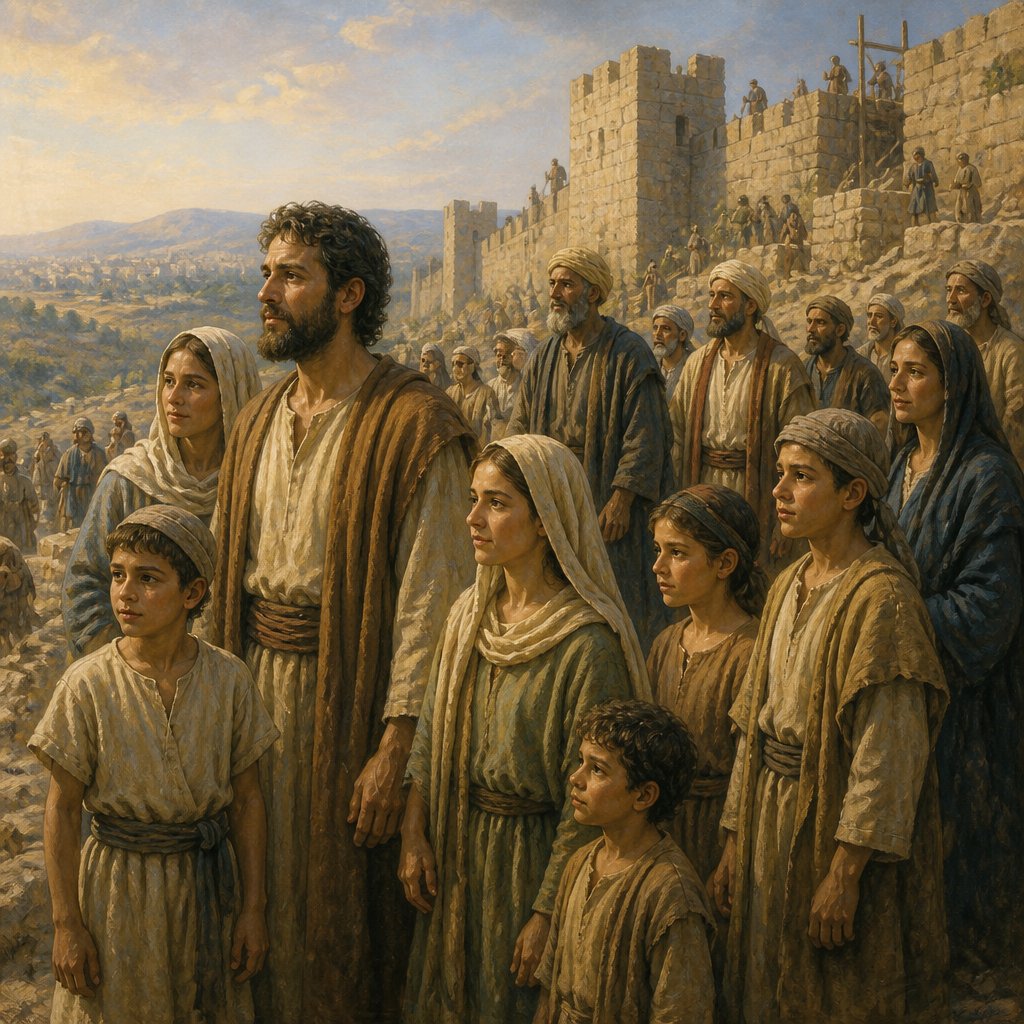
Nehemiah 7:15 (KJV) reads, "The children of Azgad, two thousand three hundred twenty and two."
The book of Nehemiah is a historical account of the restoration of Jerusalem following the Babylonian exile. Nehemiah, a Jewish cupbearer to the Persian king, is granted permission to return to Jerusalem and rebuild its walls. This verse comes from a list of the families who returned to Jerusalem with Nehemiah.
At first glance, this verse may seem insignificant or uninteresting, simply a list of names and numbers. However, when we delve deeper into the context, themes, and symbolism of this verse, we find that it carries profound implications for the faith and identity of the Jewish people.
One of the key themes in the book of Nehemiah is the restoration of God's people. After years of captivity and oppression, the Jews were finally returning to their homeland. This verse, with its seemingly mundane list of names and numbers, represents a crucial step in the restoration process. It symbolizes the re-establishment of the Jewish community, a reuniting of families, and a rebuilding of their identity as a people.
The specific mention of the children of Azgad also holds symbolic significance. In biblical times, names often carried deep meaning and symbolism. The name Azgad is derived from the Hebrew word עָז (az), meaning "mighty" or "strong," and חָד (gad), meaning "fortune" or "good luck." Thus, the very name Azgad can be interpreted as representing strength and good fortune. This symbolism can be seen as representative of the resilience and faith of the Jewish people, who, despite their hardships, remained steadfast and strong in their identity as God's chosen people.
The precise number provided in this verse is also significant. The number 2322 may hold numerological symbolism. In biblical numerology, the number 2 represents witness or testimony. It signifies the importance of bearing witness to God's faithfulness and truth. Additionally, the number 3 often represents divine perfection or completion. Therefore, the number 2322 could be interpreted as a testimony to the completeness and perfection of God's work in restoring His people. It serves as a reminder of God's faithfulness to His covenant with the Jewish people, even in their darkest days.
Furthermore, the detailed nature of the list of families in this verse highlights the importance of community and lineage within the Jewish faith. In ancient Jewish culture, one's family and heritage were of utmost significance. This verse serves as a testament to the importance of familial connections and the preservation of the Jewish lineage. It emphasizes the unity and cohesion of the Jewish community as they come together to rebuild their homeland.
In conclusion, while Nehemiah 7:15 may appear to be a simple list of names and numbers, it holds deep significance in the context of the restoration of Jerusalem and the faith of the Jewish people. Through its symbolism, it represents the resilience and strength of the Jewish community, the completeness of God's restoration, and the importance of community and lineage. It serves as a reminder of the faithfulness of God and the enduring identity of His chosen people.
Get our apps


Artwork for Nehemiah 7:15

Nehemiah 7:15 - "The children of Binnui, six hundred forty and eight."
"The children of Binnui, six hundred forty and eight." - Nehemiah 7:15

Nehemiah 7:7 - "Who came with Zerubbabel, Jeshua, Nehemiah, Azariah, Raamiah, Nahamani, Mordecai, Bilshan, Mispereth, Bigvai, Nehum, Baanah. The number, I say, of the men of the people of Israel was this;"

Nehemiah 10:15 - "Bunni, Azgad, Bebai,"

Nehemiah 12:15 - "Of Harim, Adna; of Meraioth, Helkai;"

Nehemiah 10:7 - "Meshullam, Abijah, Mijamin,"

Nehemiah 7:42 - "The children of Harim, a thousand and seventeen."

Nehemiah 7:24 - "The children of Hariph, an hundred and twelve."

Nehemiah 7:56 - "The children of Neziah, the children of Hatipha."

Nehemiah 7:25 - "The children of Gibeon, ninety and five."
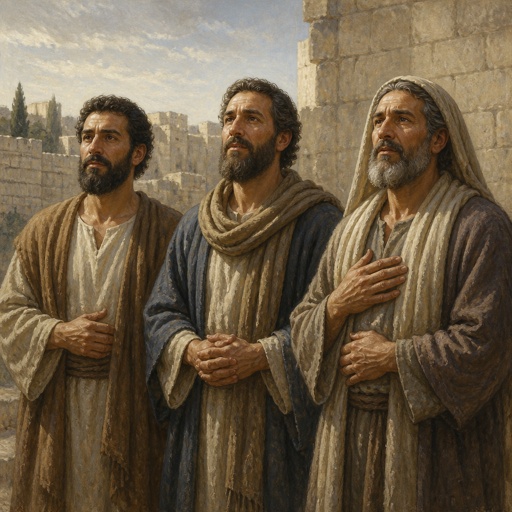
"Bunni, Azgad, Bebai," - Nehemiah 10:15

Nehemiah 7:40 - "The children of Immer, a thousand fifty and two."

Nehemiah 7:31 - "The men of Michmas, an hundred and twenty and two."

Nehemiah 7:33 - "The men of the other Nebo, fifty and two."

Nehemiah 7:28 - "The men of Beth-azmaveth, forty and two."

Nehemiah 7:21 - "The children of Ater of Hezekiah, ninety and eight."

Nehemiah 7:14 - "The children of Zaccai, seven hundred and threescore."

Nehemiah 7:27 - "The men of Anathoth, an hundred twenty and eight."

Nehemiah 7:35 - "The children of Harim, three hundred and twenty."

Nehemiah 6:15 – "So the wall was completed on the twenty-fifth of Elul, in fifty-two days."
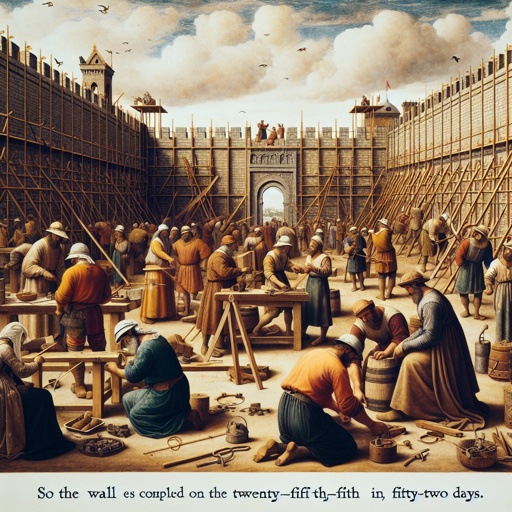
Nehemiah 6:15 – "So the wall was completed on the twenty-fifth of Elul, in fifty-two days."

Nehemiah 7:16 - "The children of Bebai, six hundred twenty and eight."

Nehemiah 7:58 - "The children of Jaala, the children of Darkon, the children of Giddel,"

Nehemiah 7:9 - "The children of Shephatiah, three hundred seventy and two."

Nehemiah 7:48 - "The children of Lebana, the children of Hagaba, the children of Shalmai,"

Nehemiah 7:19 - "The children of Bigvai, two thousand threescore and seven."

Nehemiah 7:44 - "¶ The singers: the children of Asaph, an hundred forty and eight."

Nehemiah 7:13 - "The children of Zattu, eight hundred forty and five."

Nehemiah 7:18 - "The children of Adonikam, six hundred threescore and seven."

Nehemiah 7:49 - "The children of Hanan, the children of Giddel, the children of Gahar,"