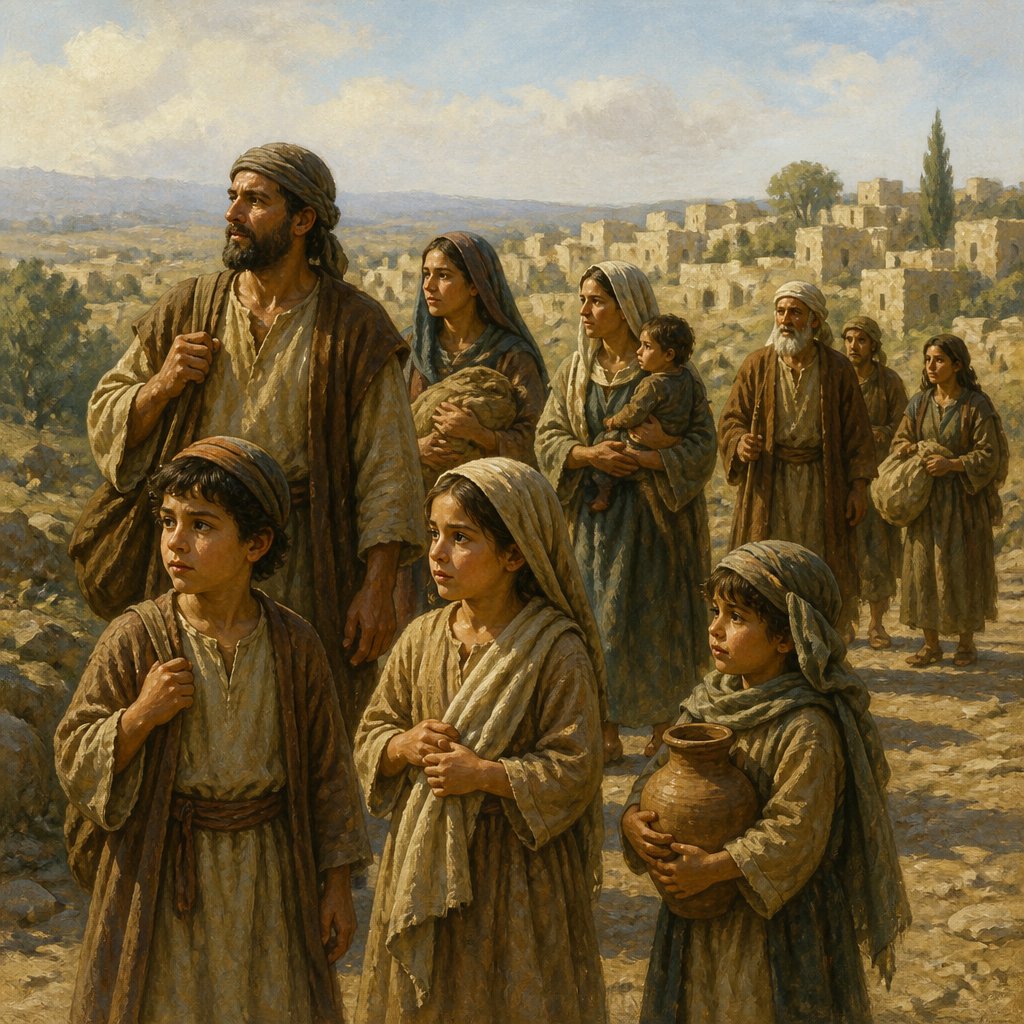
Nehemiah 7:25 (KJV) states:
"The children of Gibeon, ninety and five."
This verse is part of a passage in the book of Nehemiah that lists the families of the Israelites who returned from exile in Babylon to Jerusalem. The book of Nehemiah is set in the 5th century BC and focuses on the efforts to rebuild the city of Jerusalem and the restoration of the Jewish community after the Babylonian exile. The verse is part of a larger list of families that were involved in the restoration efforts, and the specific mention of the "children of Gibeon" signals the importance of these families and their contributions to the rebuilding of Jerusalem.
In order to fully understand the significance of this verse, it is important to consider the historical context in which it was written. The Israelites had been exiled to Babylon for several decades, and the city of Jerusalem had been destroyed. Nehemiah, a Jewish cupbearer to the Persian king, was granted permission to return to Jerusalem and oversee the rebuilding of its walls and gates. The book chronicles the challenges and opposition faced by Nehemiah and the Israelites as they worked to restore their city and community.
The mention of the "children of Gibeon" in this verse is significant because it serves as a reminder of the diverse groups and families that contributed to the restoration efforts. The Gibeonites were a group of people who inhabited the city of Gibeon, which was located in the territory of the tribe of Benjamin. In the biblical narrative, the Gibeonites were known for their deceptive tactics in making a treaty with the Israelites (Joshua 9:3-27), and as a result, they became a part of the Israelite community.
The fact that the "children of Gibeon" are specifically mentioned in the list of returnees signifies that they were fully integrated into the community and were actively involved in the rebuilding efforts. This inclusion highlights the unity and collaboration among the various groups within the Israelite community, emphasizing the collective effort to restore Jerusalem.
Furthermore, the mention of "ninety and five" serves as a specific count of the descendants of Gibeon who returned from exile. This attention to detail reflects the meticulous record-keeping and organization of the Israelites, as they sought to accurately document the return of each family and its role in the restoration process.
In a broader sense, this verse underscores the theme of community and collaboration. The restoration of Jerusalem was not the work of a single individual or group, but a collective effort that involved the participation of various families and communities. The verse also serves as a reminder of the diverse backgrounds and histories of the Israelite people, and the importance of unity in working towards a common goal.
Symbolically, the mention of the "children of Gibeon" can be interpreted as a representation of the inclusivity and diversity within the Israelite community. Despite their complicated history, the Gibeonites were fully embraced as part of the Israelite nation and were integral to the restoration of Jerusalem. This serves as a powerful message of acceptance and unity, as the different groups within the community came together to rebuild and strengthen their shared homeland.
In conclusion, Nehemiah 7:25 serves as a significant verse within the larger narrative of the book. It highlights the diverse and collaborative nature of the restoration efforts, while also symbolizing the unity and inclusivity within the Israelite community. The verse emphasizes the collective responsibility and shared commitment to rebuilding Jerusalem, and serves as a reminder of the enduring legacy of perseverance and unity for future generations.
Get our apps


Artwork for Nehemiah 7:25

Nehemiah 7:25 - "The children of Gibeon, ninety and five."
"The children of Gibeon, ninety and five." - Nehemiah 7:25

Nehemiah 10:25 - "Rehum, Hashabnah, Maaseiah,"

Nehemiah 7:7 - "Who came with Zerubbabel, Jeshua, Nehemiah, Azariah, Raamiah, Nahamani, Mordecai, Bilshan, Mispereth, Bigvai, Nehum, Baanah. The number, I say, of the men of the people of Israel was this;"
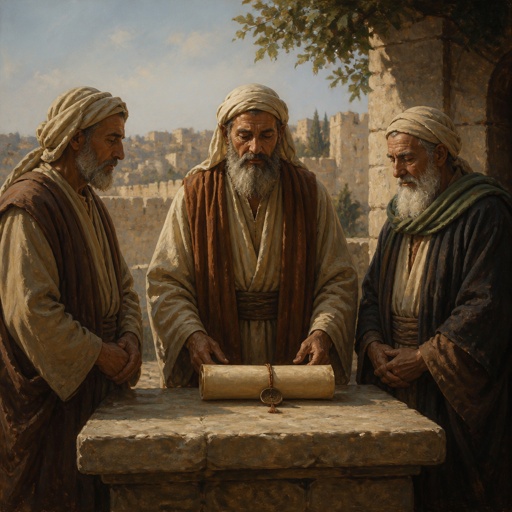
"Rehum, Hashabnah, Maaseiah," - Nehemiah 10:25

Nehemiah 10:7 - "Meshullam, Abijah, Mijamin,"

Nehemiah 7:42 - "The children of Harim, a thousand and seventeen."

Nehemiah 7:24 - "The children of Hariph, an hundred and twelve."

Nehemiah 7:56 - "The children of Neziah, the children of Hatipha."

Nehemiah 12:25 - "Mattaniah, and Bakbukiah, Obadiah, Meshullam, Talmon, Akkub, were porters keeping the ward at the thresholds of the gates."

Nehemiah 7:40 - "The children of Immer, a thousand fifty and two."

Nehemiah 7:31 - "The men of Michmas, an hundred and twenty and two."

Nehemiah 7:33 - "The men of the other Nebo, fifty and two."

Nehemiah 7:28 - "The men of Beth-azmaveth, forty and two."

Nehemiah 7:21 - "The children of Ater of Hezekiah, ninety and eight."

Nehemiah 7:14 - "The children of Zaccai, seven hundred and threescore."

Nehemiah 7:27 - "The men of Anathoth, an hundred twenty and eight."

Nehemiah 7:35 - "The children of Harim, three hundred and twenty."

Nehemiah 7:16 - "The children of Bebai, six hundred twenty and eight."

Nehemiah 7:58 - "The children of Jaala, the children of Darkon, the children of Giddel,"

Nehemiah 7:9 - "The children of Shephatiah, three hundred seventy and two."

Nehemiah 7:48 - "The children of Lebana, the children of Hagaba, the children of Shalmai,"

Nehemiah 7:15 - "The children of Binnui, six hundred forty and eight."

Nehemiah 7:19 - "The children of Bigvai, two thousand threescore and seven."

Nehemiah 7:44 - "¶ The singers: the children of Asaph, an hundred forty and eight."

Nehemiah 7:13 - "The children of Zattu, eight hundred forty and five."

Nehemiah 7:18 - "The children of Adonikam, six hundred threescore and seven."

Nehemiah 7:49 - "The children of Hanan, the children of Giddel, the children of Gahar,"

Nehemiah 7:55 - "The children of Barkos, the children of Sisera, the children of Tamah,"

Nehemiah 7:20 - "The children of Adin, six hundred fifty and five."