What does Nehemiah 7:61 mean?
“And these were they which went up also from Tel-melah, Tel-haresha, Cherub, Addon, and Immer: but they could not shew their father’s house, nor their seed, whether they were of Israel.” — Nehemiah 7:61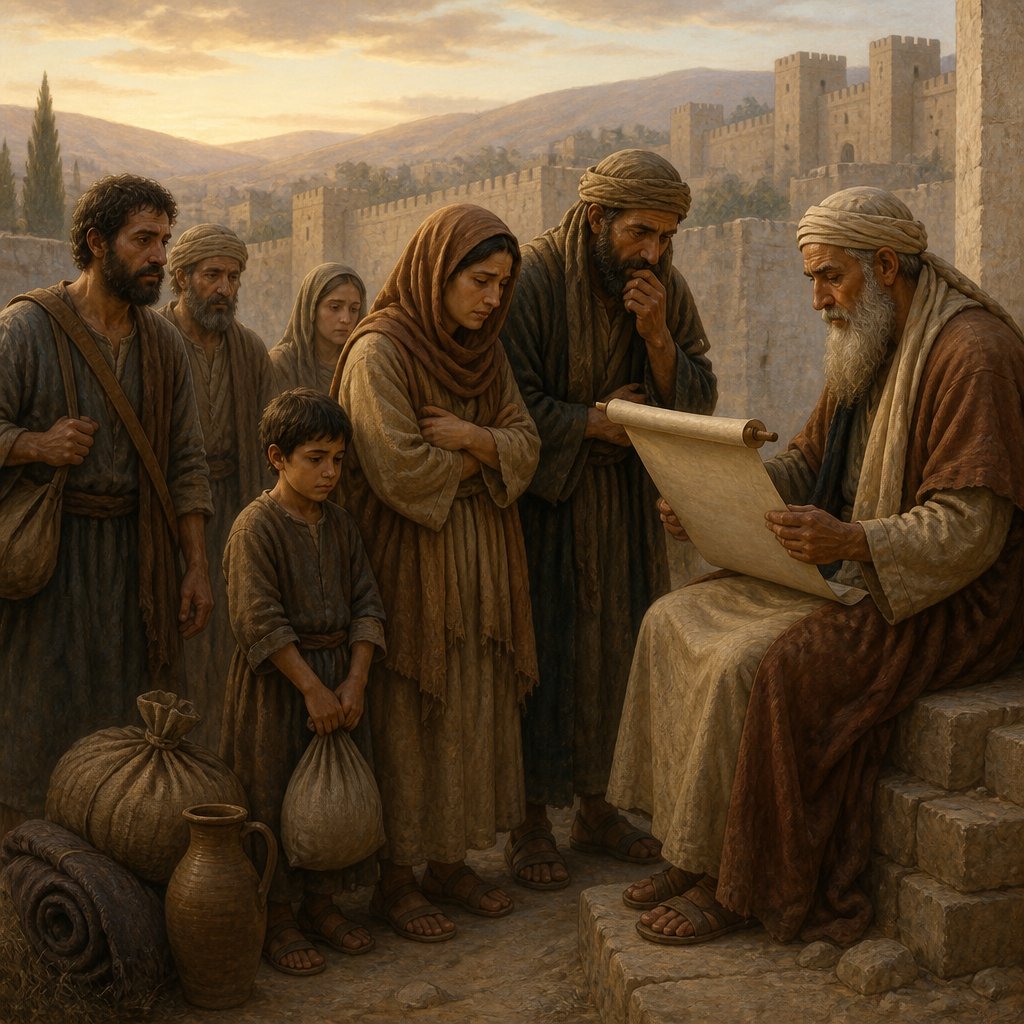
Nehemiah 7:61 (KJV) - "And these were they which went up also from Telmelah, Telharesha, Cherub, Addon, and Immer: but they could not shew their father's house, nor their seed, whether they were of Israel."
In order to fully understand the meaning and significance of Nehemiah 7:61, it is important to first provide some context. The book of Nehemiah is set in the 5th century BC, during the time when the Jewish people were allowed to return to Jerusalem after their exile in Babylon. Nehemiah, one of the central figures in the narrative, is a cupbearer to the Persian king Artaxerxes. He receives permission from the king to return to Jerusalem and oversee the rebuilding of the city's walls.
The verse in question is part of a list of the families who returned to Jerusalem with Zerubbabel, the governor of Judah, and Jeshua, the high priest. This list is significant because it provides a record of the families who were returning to their homeland after years of captivity. The specific names mentioned in Nehemiah 7:61 may seem obscure to modern readers, but they hold great importance in the context of the narrative as they represent the restoration of the nation of Israel.
One of the key themes that can be derived from this verse is the idea of lineage and identity. In ancient Jewish culture, it was crucial for individuals to be able to trace their ancestry and prove their Israelite heritage. The mention of the inability of some individuals to "shew their father's house, nor their seed" highlights the importance of genealogy and the preservation of familial lineage. This emphasis on ancestry serves as a reminder of the covenantal relationship between God and the people of Israel, which is rooted in their shared heritage and history.
The inability of certain individuals to prove their lineage also speaks to the challenges and complexities of returning from exile. After years of displacement, some families may have lost or forgotten their ancestral records, making it difficult for them to establish their legitimacy within the community. This situation serves as a poignant reminder of the hardships faced by the returning exiles as they sought to reestablish their lives in Jerusalem.
In a broader sense, Nehemiah 7:61 also symbolizes the larger theme of restoration and renewal. The return of the exiled Israelites to their homeland represents a new beginning for the nation. The rebuilding of the city walls, the reestablishment of the temple, and the restoration of the community all point towards a fresh start for the people of Israel. However, this process was not without its challenges, as evidenced by the difficulties faced by some individuals in proving their lineage.
Furthermore, the mention of these specific names in Nehemiah 7:61 serves as a testament to the inclusivity of the restoration efforts. The fact that these individuals are listed alongside others who were able to prove their lineage underscores the idea that all were welcome to participate in the rebuilding of Jerusalem, regardless of their background or status. This inclusivity reinforces the message of hope and unity that permeates the narrative of Nehemiah.
In conclusion, Nehemiah 7:61 is a verse that holds significant historical, cultural, and spiritual meaning within the broader context of the book of Nehemiah. It serves as a reminder of the importance of lineage and identity, as well as the challenges and complexities of returning from exile. At the same time, it symbolizes the themes of restoration, renewal, and inclusivity that are central to the narrative. As such, this verse continues to hold relevance and significance for readers seeking to understand the historical and spiritual significance of the restoration of Jerusalem.
Get our apps


Artwork for Nehemiah 7:61
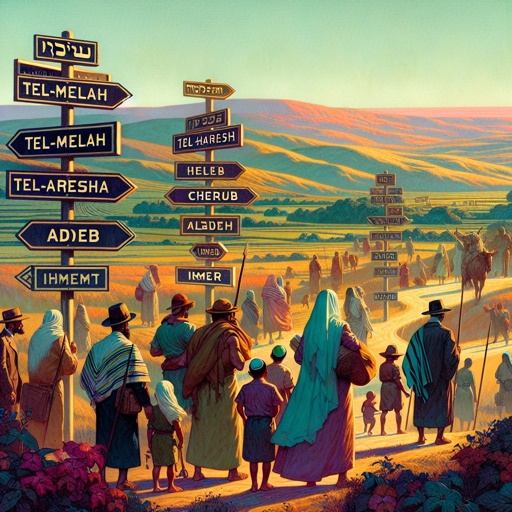
Nehemiah 7:61 - "And these were they which went up also from Tel-melah, Tel-haresha, Cherub, Addon, and Immer: but they could not shew their father's house, nor their seed, whether they were of Israel."
"And these were they which went up also from Tel-melah, Tel-haresha, Cherub, Addon, and Immer: but they could not shew their father's house, nor their seed, whether they were of Israel." - Nehemiah 7:61

Psalms 61:7 - "He shall abide before God for ever: O prepare mercy and truth, which may preserve him."

Nehemiah 7:7 - "Who came with Zerubbabel, Jeshua, Nehemiah, Azariah, Raamiah, Nahamani, Mordecai, Bilshan, Mispereth, Bigvai, Nehum, Baanah. The number, I say, of the men of the people of Israel was this;"

Isaiah 61:7 - "¶ For your shame ye shall have double; and for confusion they shall rejoice in their portion: therefore in their land they shall possess the double: everlasting joy shall be unto them."

Nehemiah 10:7 - "Meshullam, Abijah, Mijamin,"

Nehemiah 7:42 - "The children of Harim, a thousand and seventeen."

Nehemiah 7:24 - "The children of Hariph, an hundred and twelve."

Nehemiah 7:56 - "The children of Neziah, the children of Hatipha."

Nehemiah 7:25 - "The children of Gibeon, ninety and five."

Nehemiah 7:40 - "The children of Immer, a thousand fifty and two."

Nehemiah 7:31 - "The men of Michmas, an hundred and twenty and two."

Nehemiah 7:33 - "The men of the other Nebo, fifty and two."

Nehemiah 7:28 - "The men of Beth-azmaveth, forty and two."

Nehemiah 7:21 - "The children of Ater of Hezekiah, ninety and eight."

Nehemiah 7:14 - "The children of Zaccai, seven hundred and threescore."

Nehemiah 7:27 - "The men of Anathoth, an hundred twenty and eight."

Nehemiah 7:35 - "The children of Harim, three hundred and twenty."

Nehemiah 7:16 - "The children of Bebai, six hundred twenty and eight."

Nehemiah 7:58 - "The children of Jaala, the children of Darkon, the children of Giddel,"

Nehemiah 7:9 - "The children of Shephatiah, three hundred seventy and two."

Nehemiah 7:48 - "The children of Lebana, the children of Hagaba, the children of Shalmai,"

Nehemiah 7:15 - "The children of Binnui, six hundred forty and eight."

Nehemiah 7:19 - "The children of Bigvai, two thousand threescore and seven."

Nehemiah 7:44 - "¶ The singers: the children of Asaph, an hundred forty and eight."

Nehemiah 7:13 - "The children of Zattu, eight hundred forty and five."

Nehemiah 7:18 - "The children of Adonikam, six hundred threescore and seven."

Nehemiah 7:49 - "The children of Hanan, the children of Giddel, the children of Gahar,"

Nehemiah 7:55 - "The children of Barkos, the children of Sisera, the children of Tamah,"

Nehemiah 7:20 - "The children of Adin, six hundred fifty and five."