What does Nehemiah 7:68 mean?
“Their horses, seven hundred thirty and six: their mules, two hundred forty and five:” — Nehemiah 7:68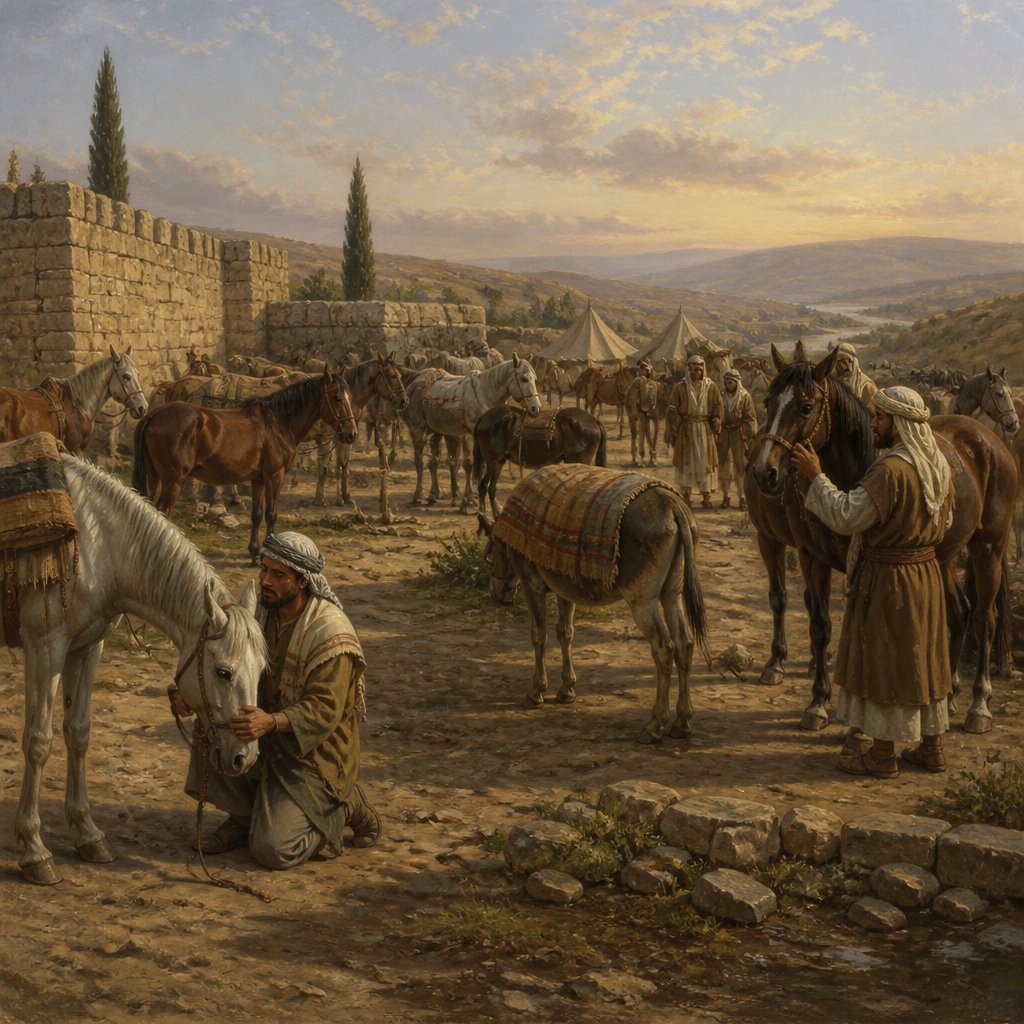
The Bible verse Nehemiah 7:68 from the King James Version (KJV) reads:
"And some of the chief of the fathers, when they came to the house of the Lord which is at Jerusalem, offered freely for the house of God to set it up in his place."
This verse is found in the book of Nehemiah, which is a historical and autobiographical account of the Jewish people's return from exile in Babylon to rebuild Jerusalem. Nehemiah, a Jewish exile and cupbearer to the Persian king Artaxerxes, is given permission by the king to return to Jerusalem to rebuild the city's walls and restore its spiritual and physical vitality. The verse takes place after the completion of the city walls and the people's dedication to the word of God.
The theme of this verse is sacrificial giving and the importance of offering freely for the house of God. It emphasizes the willingness of the people to contribute to the restoration of the temple in Jerusalem after their return from exile. The chief of the fathers, or leaders of the Jewish community, recognized the significance of the temple as the physical and spiritual center of their faith and were willing to offer their resources to set it up in its rightful place.
The context of this verse is important to understanding its significance. The Jewish people had just returned from exile in Babylon, where they had lived for many years. During their time in exile, the temple in Jerusalem lay in ruins, and the spiritual life of the Jewish community suffered. Nehemiah's mission was to restore the city's physical and spiritual infrastructure, and the verse reflects the people's commitment to this mission.
The act of offering freely for the house of God symbolizes the people's dedication to their faith and their desire to honor God in all things. It also speaks to the importance of generosity and sacrificial giving in the life of a believer. The people recognized that the house of God was a central place for community and worship, and they were willing to give of their time, resources, and talents to ensure its restoration.
The verse also carries a sense of responsibility and stewardship. The leaders of the Jewish community took it upon themselves to lead by example, offering freely for the house of God and setting the tone for the rest of the people to follow. This act of generosity and unity among the people was a powerful demonstration of their commitment to God and their desire to see His house restored.
In a broader sense, this verse speaks to the importance of maintaining and supporting places of worship and spiritual community. It reminds believers of the value of giving of themselves in service to God and His people. It also highlights the significance of leadership and setting an example for others to follow in matters of faith and devotion.
In conclusion, Nehemiah 7:68 is a powerful example of sacrificial giving and the importance of supporting the house of God. It reflects the dedication and commitment of the Jewish people to restoring their spiritual center after years of exile. The verse resonates with themes of generosity, unity, and stewardship, and serves as a reminder of the significance of places of worship and community in the life of a believer.
Get our apps


Artwork for Nehemiah 7:68
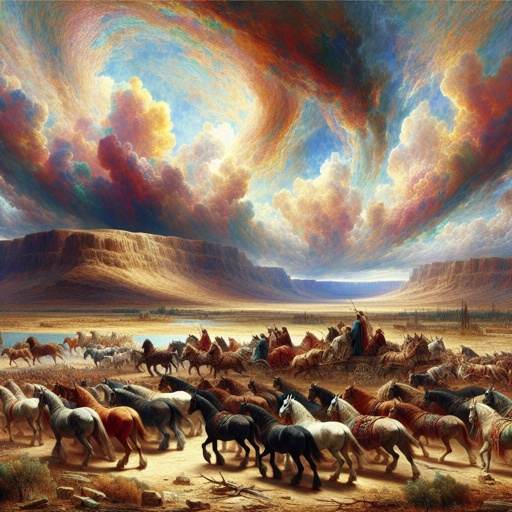
Nehemiah 7:68 - "Their horses, seven hundred thirty and six: their mules, two hundred forty and five:"
"Their horses, seven hundred thirty and six: their mules, two hundred forty and five:" - Nehemiah 7:68

Numbers 7:68 - "One golden spoon of ten shekels, full of incense:"
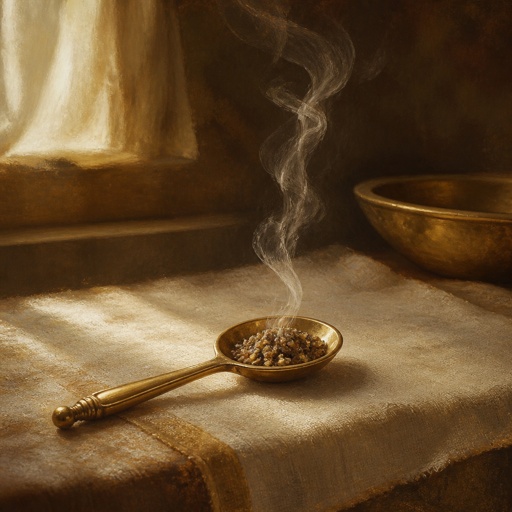
"One golden spoon of ten shekels, full of incense:" - Numbers 7:68

Psalms 68:7 - "O God, when thou wentest forth before thy people, when thou didst march through the wilderness; Selah:"

Nehemiah 7:7 - "Who came with Zerubbabel, Jeshua, Nehemiah, Azariah, Raamiah, Nahamani, Mordecai, Bilshan, Mispereth, Bigvai, Nehum, Baanah. The number, I say, of the men of the people of Israel was this;"

Nehemiah 10:7 - "Meshullam, Abijah, Mijamin,"

Nehemiah 7:42 - "The children of Harim, a thousand and seventeen."

Nehemiah 7:24 - "The children of Hariph, an hundred and twelve."

Nehemiah 7:56 - "The children of Neziah, the children of Hatipha."

Nehemiah 7:25 - "The children of Gibeon, ninety and five."

Nehemiah 7:40 - "The children of Immer, a thousand fifty and two."

Nehemiah 7:31 - "The men of Michmas, an hundred and twenty and two."

Nehemiah 7:33 - "The men of the other Nebo, fifty and two."

Nehemiah 7:21 - "The children of Ater of Hezekiah, ninety and eight."

Nehemiah 7:28 - "The men of Beth-azmaveth, forty and two."

Nehemiah 7:14 - "The children of Zaccai, seven hundred and threescore."

Nehemiah 7:27 - "The men of Anathoth, an hundred twenty and eight."

Nehemiah 7:35 - "The children of Harim, three hundred and twenty."

Nehemiah 7:16 - "The children of Bebai, six hundred twenty and eight."

Nehemiah 7:58 - "The children of Jaala, the children of Darkon, the children of Giddel,"

Nehemiah 7:9 - "The children of Shephatiah, three hundred seventy and two."

Nehemiah 7:48 - "The children of Lebana, the children of Hagaba, the children of Shalmai,"

Nehemiah 7:19 - "The children of Bigvai, two thousand threescore and seven."

Nehemiah 7:15 - "The children of Binnui, six hundred forty and eight."

Nehemiah 7:44 - "¶ The singers: the children of Asaph, an hundred forty and eight."

Nehemiah 7:18 - "The children of Adonikam, six hundred threescore and seven."

Nehemiah 7:13 - "The children of Zattu, eight hundred forty and five."

Nehemiah 7:49 - "The children of Hanan, the children of Giddel, the children of Gahar,"

Nehemiah 7:55 - "The children of Barkos, the children of Sisera, the children of Tamah,"