What does Nehemiah 8:14 mean?
“And they found written in the law which the LORD had commanded by Moses, that the children of Israel should dwell in booths in the feast of the seventh month:” — Nehemiah 8:14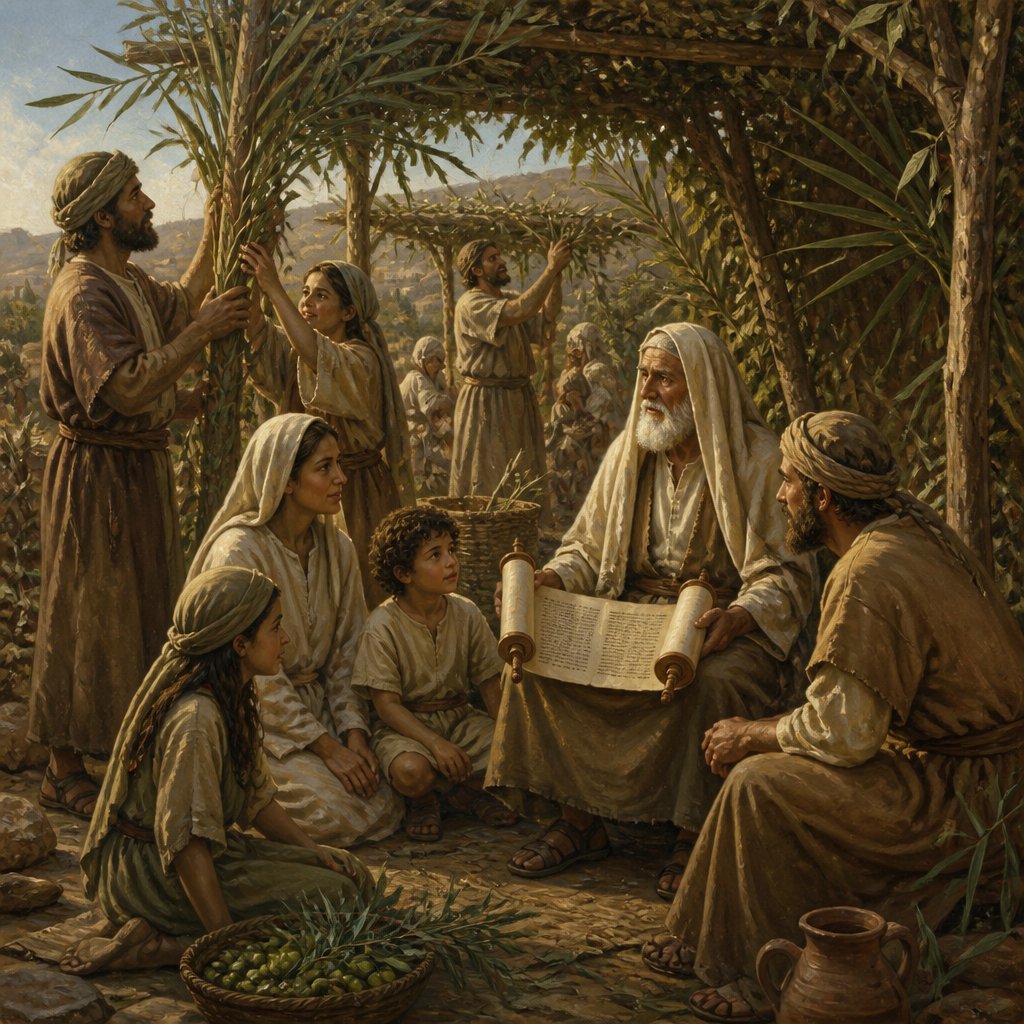
The verse Nehemiah 8:14 from the King James Version (KJV) of the Bible reads, "And they found written in the law which the Lord had commanded by Moses, that the children of Israel should dwell in booths in the feast of the seventh month."
This verse is part of the book of Nehemiah, which chronicles the story of the Israelites' return from exile in Babylon and their efforts to rebuild the walls of Jerusalem and restore their covenant with God. The specific verse deals with the Israelites' discovery of a commandment from God, given through Moses, to observe the Feast of Tabernacles by dwelling in booths during the seventh month.
To understand the deeper meaning and significance of this verse, it is important to consider its historical and cultural context. The Feast of Tabernacles, also known as the Feast of Booths or Sukkot, was one of the three major annual festivals in ancient Israel. It was a time of thanksgiving and celebration, commemorating the Israelites' journey through the wilderness and their dependence on God for sustenance and protection. During this festival, the people were commanded to dwell in temporary shelters or booths for seven days, as a reminder of their time in the wilderness.
The discovery of this commandment by the Israelites during the time of Nehemiah was a significant moment of rediscovery and recommitment to their faith and heritage. The people of Israel had been separated from their land and their ancestral traditions during their exile in Babylon. The restoration of the commandment to observe the Feast of Tabernacles served as a reaffirmation of their identity as God's chosen people and a reconnection to their spiritual roots.
The act of dwelling in booths during the Feast of Tabernacles also carries rich symbolism. It symbolizes the transience and impermanence of life on earth, as well as the need for God's provision and protection. It serves as a tangible reminder of the Israelites' reliance on God and their journey through the wilderness. Additionally, the act of dwelling in booths fosters a sense of community and solidarity among the people, as they come together to celebrate and worship.
Furthermore, the rediscovery of this commandment emphasizes the importance of obedience to God's laws and the significance of following the traditions and ordinances outlined in the scriptures. By finding and adhering to this specific commandment, the Israelites demonstrated their commitment to honoring and upholding the covenant with God, as well as their willingness to submit to His authority.
The verse Nehemiah 8:14 also underscores the theme of spiritual renewal and restoration. Through the rediscovery of the commandment to observe the Feast of Tabernacles, the Israelites experienced a revitalization of their faith and a renewed sense of unity and purpose. This moment of rediscovery served as a catalyst for the spiritual revival and recommitment to God that was taking place among the people during Nehemiah's leadership.
In conclusion, the verse Nehemiah 8:14 from the King James Version of the Bible carries deep significance and symbolism within the larger narrative of the Israelites' restoration and spiritual renewal. It serves as a reminder of the importance of honoring and following God's commandments, as well as the significance of reconnecting with one's spiritual heritage and traditions. The discovery of this commandment during the time of Nehemiah was a pivotal moment that reinforced the Israelites' identity as God's chosen people and their dedication to living in accordance with His will.
Get our apps


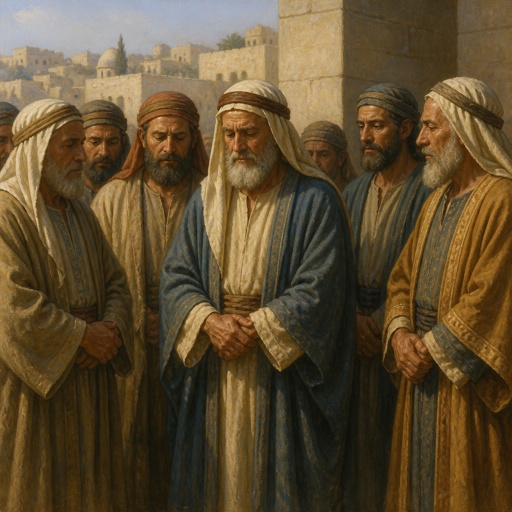
Artwork for Nehemiah 8:14

Nehemiah 8:14 - "And they found written in the law which the LORD had commanded by Moses, that the children of Israel should dwell in booths in the feast of the seventh month:"
"And they found written in the law which the LORD had commanded by Moses, that the children of Israel should dwell in booths in the feast of the seventh month:" - Nehemiah 8:14

Nehemiah 8:10

Nehemiah 8:10

Nehemiah 8:10

Nehemiah 11:11-14

Nehemiah 12:14 - "Of Melicu, Jonathan; of Shebaniah, Joseph;"

Nehemiah 7:14 - "The children of Zaccai, seven hundred and threescore."

Nehemiah 8:8 - "So they read in the book in the law of God distinctly, and gave the sense, and caused them to understand the reading."

Nehemiah 10:8 - "Maaziah, Bilgai, Shemaiah: these were the priests."

Nehemiah 10:14 - "The chief of the people; Parosh, Pahath-moab, Elam, Zatthu, Bani,"

Nehemiah 7:8 - "The children of Parosh, two thousand an hundred seventy and two."
"Of Melicu, Jonathan; of Shebaniah, Joseph;" - Nehemiah 12:14

Nehemiah 11:8 - "And after him Gabbai, Sallai, nine hundred twenty and eight."

Nehemiah 4:8 - "And conspired all of them together to come and to fight against Jerusalem, and to hinder it."

Nehemiah 2:14 - "Then I went on to the gate of the fountain, and to the king's pool: but there was no place for the beast that was under me to pass."
"The children of Zaccai, seven hundred and threescore." - Nehemiah 7:14
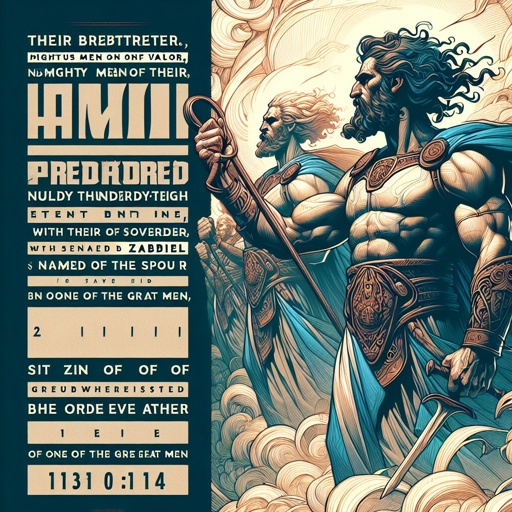
Nehemiah 11:14 - "And their brethren, mighty men of valour, an hundred twenty and eight: and their overseer was Zabdiel, the son of one of the great men."
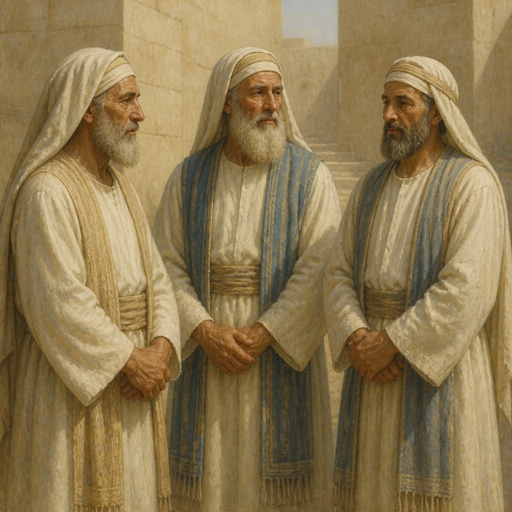
"Maaziah, Bilgai, Shemaiah: these were the priests." - Nehemiah 10:8

Nehemiah 8:9 - "¶ And Nehemiah, which is the Tirshatha, and Ezra the priest the scribe, and the Levites that taught the people, said unto all the people, This day is holy unto the LORD your God; mourn not, nor weep. For all the people wept, when they heard the words of the law."

Nehemiah 13:8 - "And it grieved me sore: therefore I cast forth all the household stuff of Tobiah out of the chamber."

Nehemiah 12:8 - "Moreover the Levites: Jeshua, Binnui, Kadmiel, Sherebiah, Judah, and Mattaniah, which was over the thanksgiving, he and his brethren."

Nehemiah 8:11 - "So the Levites stilled all the people, saying, Hold your peace, for the day is holy; neither be ye grieved."

Nehemiah 9:14 - "And madest known unto them thy holy sabbath, and commandedst them precepts, statutes, and laws, by the hand of Moses thy servant:"

Nehemiah 6:14 - "My God, think thou upon Tobiah and Sanballat according to these their works, and on the prophetess Noadiah, and the rest of the prophets, that would have put me in fear."
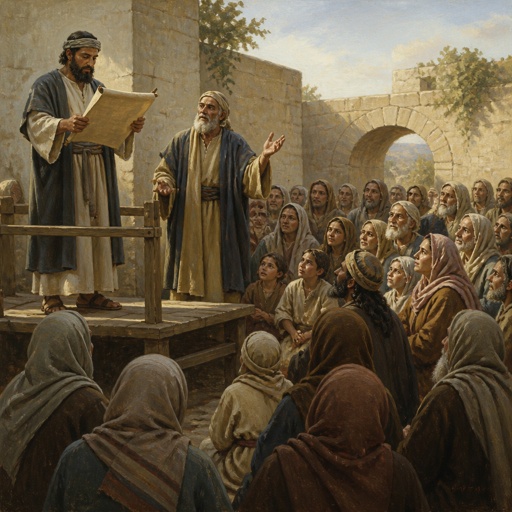
"So they read in the book in the law of God distinctly, and gave the sense, and caused them to understand the reading." - Nehemiah 8:8

Nehemiah 6:8 - "Then I sent unto him, saying, There are no such things done as thou sayest, but thou feignest them out of thine own heart."
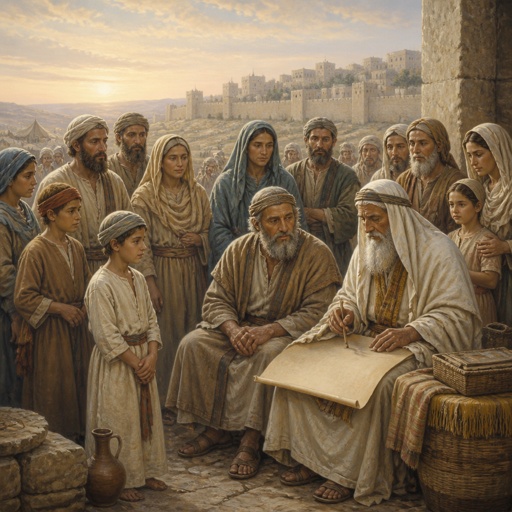
"The children of Parosh, two thousand an hundred seventy and two." - Nehemiah 7:8
"The chief of the people; Parosh, Pahath-moab, Elam, Zatthu, Bani," - Nehemiah 10:14

Nehemiah 13:14 - "Remember me, O my God, concerning this, and wipe not out my good deeds that I have done for the house of my God, and for the offices thereof."