What does Nehemiah 9:11 mean?
“And thou didst divide the sea before them, so that they went through the midst of the sea on the dry land; and their persecutors thou threwest into the deeps, as a stone into the mighty waters.” — Nehemiah 9:11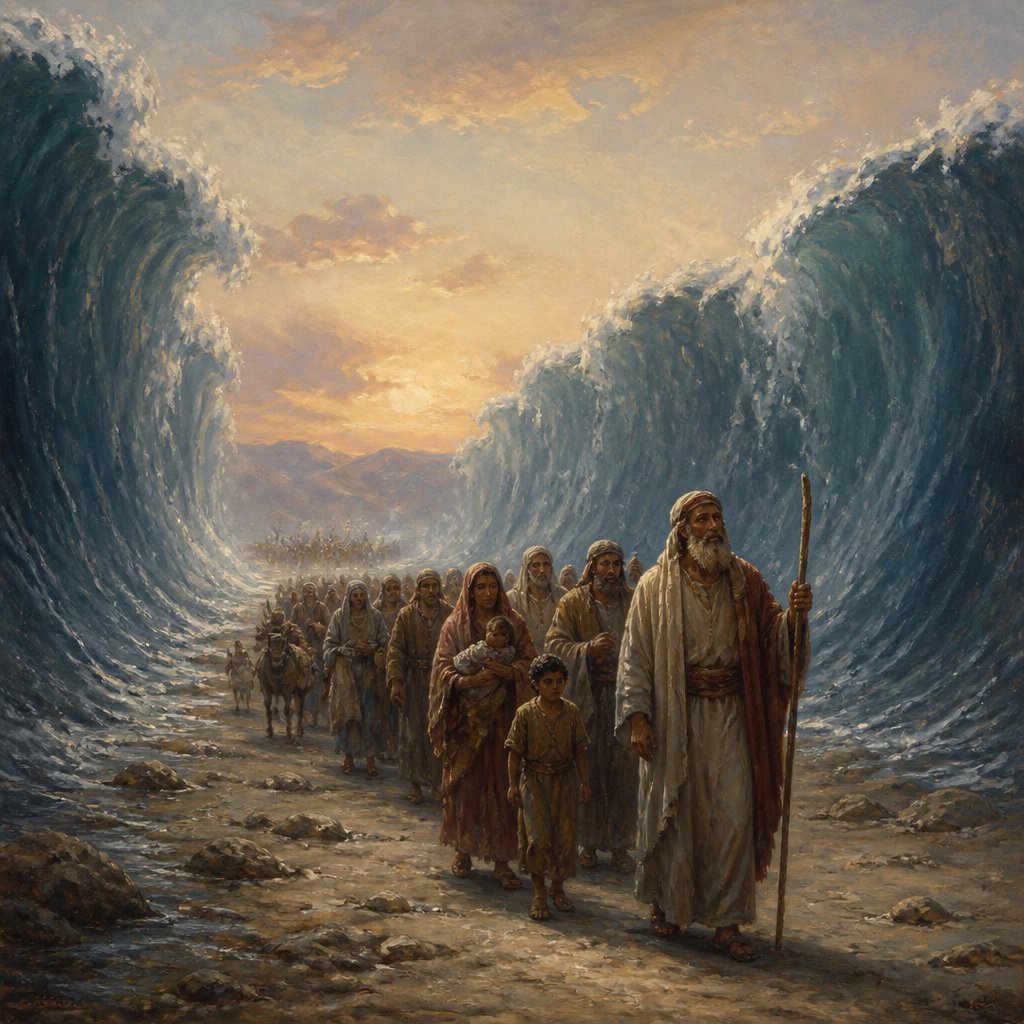
Nehemiah 9:11 in the King James Version (KJV) of the Bible reads, "And thou didst divide the sea before them, so that they went through the midst of the sea on the dry land; and their persecutors thou threwest into the deeps, as a stone into the mighty waters."
This verse is part of a prayer of confession and praise to God that the Israelites offered as they reflected on their history and relationship with God. The entire chapter of Nehemiah 9 recounts the history of the Israelites, from their time in Egypt to their return to Jerusalem and the rebuilding of the temple. In this particular verse, the Israelites are praising God for his miraculous delivery of them from the pursuing Egyptians as they fled from Egypt.
The division of the sea, referred to in this verse, is a reference to the well-known story of the parting of the Red Sea in the book of Exodus. As the Israelites fled from the pursuing army of Pharaoh, God miraculously divided the waters, allowing the Israelites to pass through on dry land. In contrast, the pursuing Egyptians were drowned as the waters closed in on them.
This event is one of the most significant and well-known miracles in the Old Testament, serving as a powerful symbol of God's deliverance and protection of his people. The Israelites' escape from Egypt and the parting of the Red Sea are crucial events in their history, embodying themes of deliverance, redemption, and the fulfillment of divine promises.
The symbolism in this verse is rich and multi-layered. The parting of the Red Sea represents the idea of a divine intervention that makes the impossible possible. It shows God's power over nature, as well as his ability to deliver his people from seemingly insurmountable obstacles.
Moreover, the imagery of walking through the midst of the sea on dry land signifies a new beginning, a journey from slavery to freedom, from despair to hope. It serves as a metaphor for the Israelites' journey as a people, from captivity in Egypt to the Promised Land.
The casting of the persecutors into the deeps serves as a powerful symbol of divine justice. The pursuing Egyptians, who represented oppression and bondage to the Israelites, were ultimately defeated and destroyed by the very forces they sought to use against God's chosen people. This symbolizes the downfall of all those who oppose God and his people, as well as the ultimate triumph of good over evil.
The language of this verse is also significant. The imagery of throwing the persecutors into the deeps, "as a stone into the mighty waters," conveys a sense of finality and irreversibility. This reinforces the idea that God's deliverance is complete and total, leaving no room for the oppressors to regain their power.
Overall, Nehemiah 9:11 highlights the themes of deliverance, redemption, divine protection, and justice. It emphasizes God's faithfulness to his promises and his power to overcome all obstacles. It serves as a reminder to the Israelites, and to all believers, that God is their ultimate deliverer and protector, and that his justice will ultimately prevail. The imagery and symbolism in this verse make it a powerful and inspiring testament to God's sovereignty and mercy.
Get our apps


Artwork for Nehemiah 9:11

Nehemiah 9:11 - "And thou didst divide the sea before them, so that they went through the midst of the sea on the dry land; and their persecutors thou threwest into the deeps, as a stone into the mighty waters."
"And thou didst divide the sea before them, so that they went through the midst of the sea on the dry land; and their persecutors thou threwest into the deeps, as a stone into the mighty waters." - Nehemiah 9:11

Nehemiah 11:9 - "And Joel the son of Zichri was their overseer: and Judah the son of Senuah was second over the city."
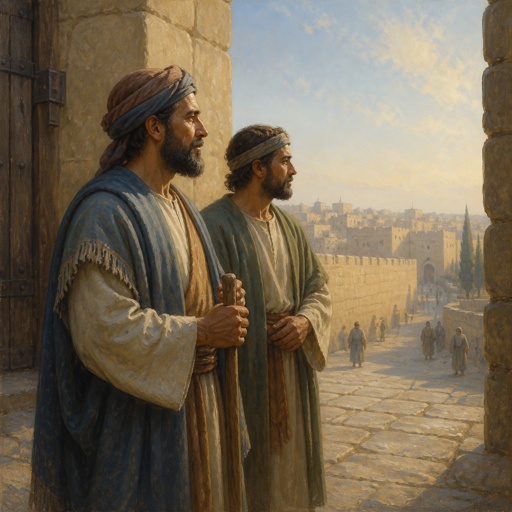
"And Joel the son of Zichri was their overseer: and Judah the son of Senuah was second over the city." - Nehemiah 11:9

Nehemiah 11:11-14

Nehemiah 11:13

Nehemiah 6:9

Nehemiah 11:34 - "Hadid, Zeboim, Neballat,"

Nehemiah 10:11 - "Micha, Rehob, Hashabiah,"

Nehemiah 11:33 - "Hazor, Ramah, Gittaim,"

Nehemiah 11:32 - "And at Anathoth, Nob, Ananiah,"

Nehemiah 11:1-19

Nehemiah 11:26 - "And at Jeshua, and at Moladah, and at Beth-phelet,"

Nehemiah 11:29 - "And at En-rimmon, and at Zareah, and at Jarmuth,"

Nehemiah 9:9 - "And didst see the affliction of our fathers in Egypt, and heardest their cry by the Red sea;"

Nehemiah 11:35 - "Lod, and Ono, the valley of craftsmen."

Nehemiah 11:28 - "And at Ziklag, and at Mekonah, and in the villages thereof,"

Nehemiah 11:36 - "And of the Levites were divisions in Judah, and in Benjamin."

Nehemiah 11:10 - "Of the priests: Jedaiah the son of Joiarib, Jachin."

Nehemiah 12:11 - "And Joiada begat Jonathan, and Jonathan begat Jaddua."

Nehemiah 7:9 - "The children of Shephatiah, three hundred seventy and two."

Nehemiah 11:27 - "And at Hazar-shual, and at Beer-sheba, and in the villages thereof,"

Nehemiah 2:11 - "So I came to Jerusalem, and was there three days."

Nehemiah 11:11 - "Seraiah the son of Hilkiah, the son of Meshullam, the son of Zadok, the son of Meraioth, the son of Ahitub, was the ruler of the house of God."

"And at Anathoth, Nob, Ananiah," - Nehemiah 11:32

"Hadid, Zeboim, Neballat," - Nehemiah 11:34

"Hazor, Ramah, Gittaim," - Nehemiah 11:33

"Micha, Rehob, Hashabiah," - Nehemiah 10:11

Nehemiah 11:21 - "But the Nethinims dwelt in Ophel: and Ziha and Gispa were over the Nethinims."

Nehemiah 11:8 - "And after him Gabbai, Sallai, nine hundred twenty and eight."