What does Nehemiah 9:13 mean?
“Thou camest down also upon mount Sinai, and spakest with them from heaven, and gavest them right judgments, and true laws, good statutes and commandments:” — Nehemiah 9:13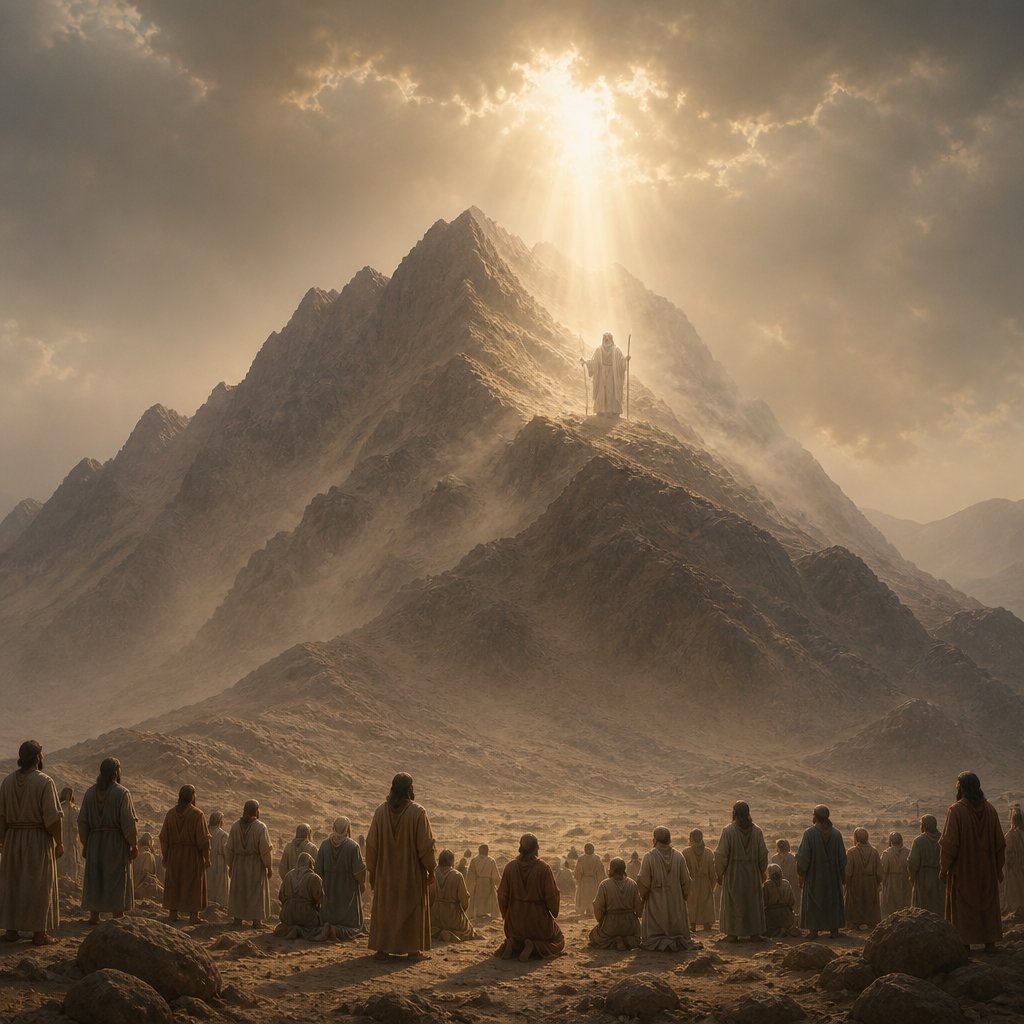
Nehemiah 9:13 (KJV) states, "Thou camest down also upon mount Sinai, and spakest with them from heaven, and gavest them right judgments, and true laws, good statutes and commandments."
In this verse, the Israelites are reflecting upon the momentous occasion when God descended upon Mount Sinai and spoke to them, giving them the divine laws and commandments. The imagery of God coming down upon the mountain symbolizes His direct intervention in the affairs of His people and His willingness to communicate with them. This act of divine communication is central to the covenant relationship between God and the Israelites, and it lays the foundation for their understanding of God's expectations and their obligations to Him.
The themes present in Nehemiah 9:13 are the sovereignty of God, His faithfulness to His people, and the importance of obeying His commandments. The imagery of God coming down upon Mount Sinai is a powerful reminder of God's presence and His desire to guide His people. It also highlights the holiness and majesty of God, as Mount Sinai became a sacred place where His divine presence was revealed.
The context of this verse is important for understanding its significance. The Israelites had returned from exile in Babylon and were gathered in Jerusalem to renew their commitment to God and His covenant. In Nehemiah 9, the people are confessing their sins and acknowledging God's faithfulness throughout their history. They are also taking responsibility for their disobedience and expressing their desire to recommit themselves to keeping God's laws.
The symbolism in this verse is rich and significant. Mount Sinai represents the place where God established His covenant with the Israelites through the giving of the Ten Commandments. It was a pivotal moment in the history of the nation of Israel, marking their identity as God's chosen people and establishing the foundation for their relationship with Him. The laws and commandments given to them were not just rules for living, but a reflection of God's character and His desire for His people to live in harmony with His will.
The mention of "right judgments, and true laws, good statutes and commandments" emphasizes the righteousness and justice of God's laws. These laws were not arbitrary, but were based on God's perfect wisdom and understanding of what was best for His people. By obeying these laws, the Israelites would experience the blessings of living in accordance with God's will.
Overall, Nehemiah 9:13 serves as a powerful reminder of God's faithfulness, the importance of obeying His commandments, and the significance of His divine intervention in the history of His people. It also highlights the holiness and majesty of God and the profound significance of the giving of the Ten Commandments at Mount Sinai. This verse continues to inspire believers to reflect on their own commitment to God and His will, and to strive to live in obedience to His righteous laws.
Get our apps


Artwork for Nehemiah 9:13
Nehemiah 9:13 - "Thou camest down also upon mount Sinai, and spakest with them from heaven, and gavest them right judgments, and true laws, good statutes and commandments:"
"Thou camest down also upon mount Sinai, and spakest with them from heaven, and gavest them right judgments, and true laws, good statutes and commandments:" - Nehemiah 9:13

Nehemiah 13:9 - "Then I commanded, and they cleansed the chambers: and thither brought I again the vessels of the house of God, with the meat offering and the frankincense."

Nehemiah 11:13

Nehemiah 6:9

Nehemiah 10:13 - "Hodijah, Bani, Beninu."

Nehemiah 12:13 - "Of Ezra, Meshullam; of Amariah, Jehohanan;"
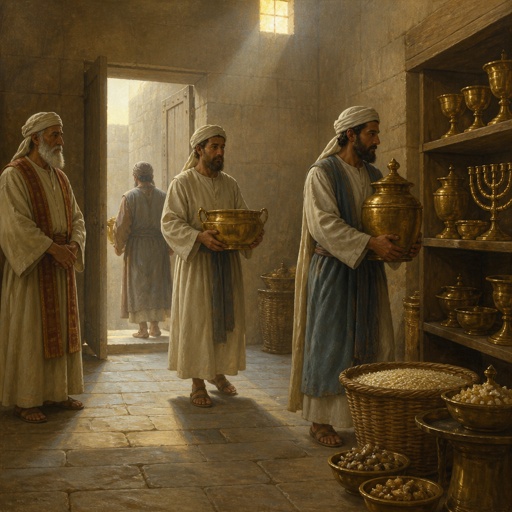
"Then I commanded, and they cleansed the chambers: and thither brought I again the vessels of the house of God, with the meat offering and the frankincense." - Nehemiah 13:9

Nehemiah 9:9 - "And didst see the affliction of our fathers in Egypt, and heardest their cry by the Red sea;"

Nehemiah 7:13 - "The children of Zattu, eight hundred forty and five."

Nehemiah 7:9 - "The children of Shephatiah, three hundred seventy and two."

"Hodijah, Bani, Beninu." - Nehemiah 10:13

"Of Ezra, Meshullam; of Amariah, Jehohanan;" - Nehemiah 12:13

Nehemiah 9:16 - "But they and our fathers dealt proudly, and hardened their necks, and hearkened not to thy commandments,"

Nehemiah 13:12 - "Then brought all Judah the tithe of the corn and the new wine and the oil unto the treasuries."

Nehemiah 12:9 - "Also Bakbukiah and Unni, their brethren, were over against them in the watches."

Nehemiah 10:9 - "And the Levites: both Jeshua the son of Azaniah, Binnui of the sons of Henadad, Kadmiel;"

Nehemiah 11:9 - "And Joel the son of Zichri was their overseer: and Judah the son of Senuah was second over the city."

Nehemiah 13:31 - "And for the wood offering, at times appointed, and for the firstfruits. Remember me, O my God, for good."

Nehemiah 13:20 - "So the merchants and sellers of all kind of ware lodged without Jerusalem once or twice."

Nehemiah 13:4 - "¶ And before this, Eliashib the priest, having the oversight of the chamber of the house of our God, was allied unto Tobiah:"

Nehemiah 13:23 - "¶ In those days also saw I Jews that had married wives of Ashdod, of Ammon, and of Moab:"

Nehemiah 13:29 - "Remember them, O my God, because they have defiled the priesthood, and the covenant of the priesthood, and of the Levites."

Nehemiah 3:9 - "And next unto them repaired Rephaiah the son of Hur, the ruler of the half part of Jerusalem."

Nehemiah 13:24 - "And their children spake half in the speech of Ashdod, and could not speak in the Jews' language, but according to the language of each people."

Nehemiah 13:8 - "And it grieved me sore: therefore I cast forth all the household stuff of Tobiah out of the chamber."

Nehemiah 13:3 - "Now it came to pass, when they had heard the law, that they separated from Israel all the mixed multitude."

Nehemiah 9:2 - "And the seed of Israel separated themselves from all strangers, and stood and confessed their sins, and the iniquities of their fathers."

Nehemiah 8:9 - "¶ And Nehemiah, which is the Tirshatha, and Ezra the priest the scribe, and the Levites that taught the people, said unto all the people, This day is holy unto the LORD your God; mourn not, nor weep. For all the people wept, when they heard the words of the law."

Nehemiah 13:7 - "And I came to Jerusalem, and understood of the evil that Eliashib did for Tobiah, in preparing him a chamber in the courts of the house of God."