What does Numbers 11:1 mean?
“And when the people complained, it displeased the LORD: and the LORD heard it; and his anger was kindled; and the fire of the LORD burnt among them, and consumed them that were in the uttermost parts of the camp.” — Numbers 11:1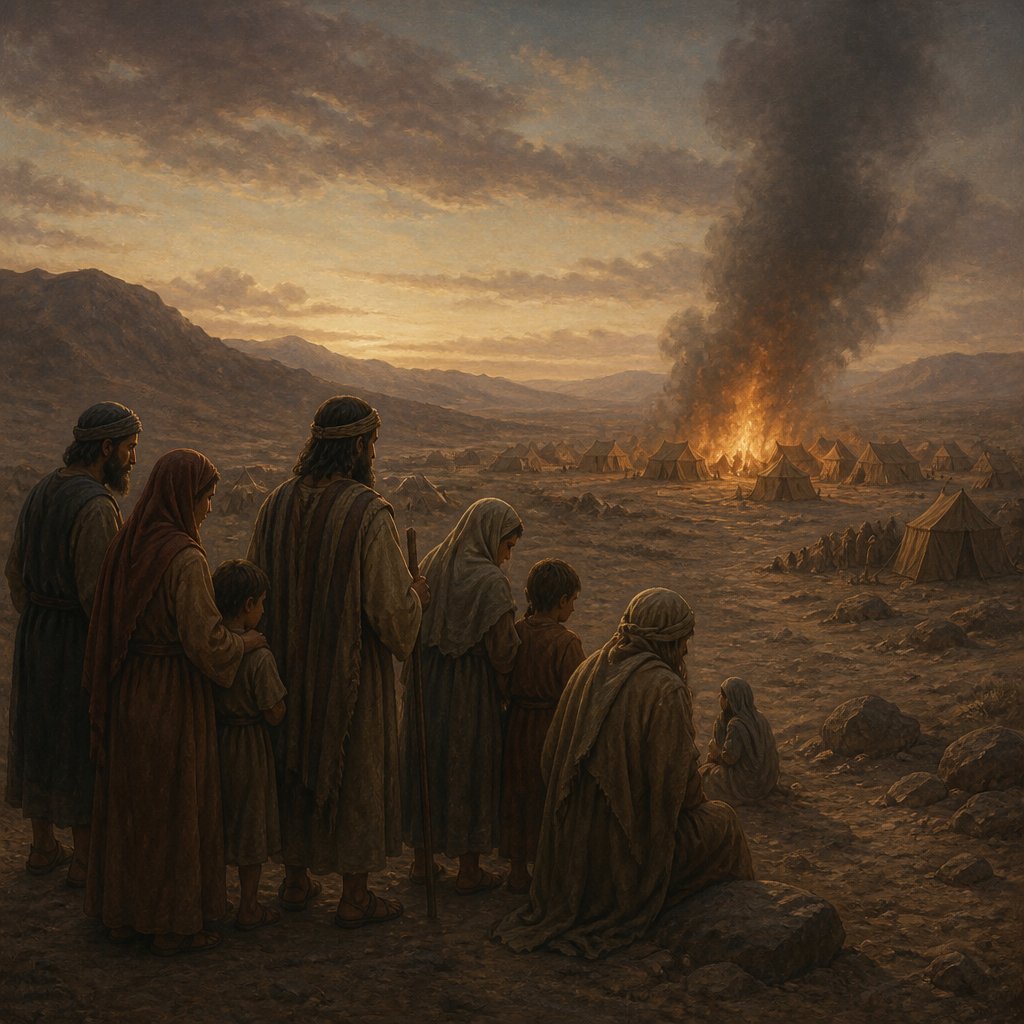
Numbers 11:1 in the King James Version of the Bible reads, "And when the people complained, it displeased the Lord: and the Lord heard it; and his anger was kindled; and the fire of the Lord burnt among them, and consumed them that were in the uttermost parts of the camp."
This verse comes from the book of Numbers, which is the fourth book of the Old Testament. It is a part of the Torah, the first five books of the Bible, which are also known as the Pentateuch. The book of Numbers focuses on the Israelites as they journey through the wilderness after their escape from slavery in Egypt. It contains numerous laws and regulations given to the Israelites by God, as well as accounts of their travels and experiences.
In this particular verse, the Israelites are in the wilderness, and they start to complain. This complaining displeases the Lord, and as a result, the Lord's anger is kindled, and a fire breaks out among the people, consuming those in the uttermost parts of the camp. This verse serves as a warning about the consequences of complaining and disobeying God.
The theme of disobedience and its consequences is prevalent throughout the Bible, and this verse is a powerful example of it. The Israelites, despite being led out of Egypt by God's mighty hand, continually grumble and complain about their situation. This constant complaining reflects a lack of faith and trust in God's plan for them. As a result, their disobedience leads to dire consequences, as seen in the fire that consumes them.
The symbolism in this verse is significant. The fire that burns among the people serves as a representation of God's wrath and judgment. In the Bible, fire is often used as a symbol of purification, but it can also represent God's anger and punishment. In this case, the fire is a consequence of the Israelites' disobedience and lack of faith.
Additionally, the fire consuming those in the uttermost parts of the camp can be seen as a warning to the entire community. It demonstrates that the consequences of disobedience affect not only the individual but also the entire community. This serves as a powerful reminder that our actions and attitudes can have a ripple effect on those around us.
The context of this verse is important for understanding its significance. The Israelites had been miraculously delivered from slavery in Egypt and were on their way to the Promised Land. However, their journey was not easy, and they faced numerous challenges and hardships along the way. In response to these difficulties, the people often grumbled and complained, expressing their dissatisfaction with their situation.
This verse serves as a stark reminder that God expects obedience and faithfulness from His people. The consequences of disobedience can be severe, as seen in the fire that consumes the complainers. However, it also offers a message of hope and redemption. Despite the Israelites' failings, God continues to guide and protect them as they journey through the wilderness.
Ultimately, Numbers 11:1 is a powerful and cautionary verse that reminds us of the importance of obedience and faith in God. It serves as a warning against grumbling and complaining and the consequences that can result from a lack of trust in God's plan. It also offers a message of hope, showing that despite our failings, God is merciful and continues to guide and protect His people.
Get our apps


Artwork for Numbers 11:1

Numbers 11:1 - "And when the people complained, it displeased the LORD: and the LORD heard it; and his anger was kindled; and the fire of the LORD burnt among them, and consumed them that were in the uttermost parts of the camp."
"And when the people complained, it displeased the LORD: and the LORD heard it; and his anger was kindled; and the fire of the LORD burnt among them, and consumed them that were in the uttermost parts of the camp." - Numbers 11:1

"Create a detailed and artistic mosaic image that depicts various scenes from the biblical book of Numbers (Bamidbar) chapters 8:1 to 12:1. The image should be divided into sections, each representing different events within these chapters, in a style that reflects traditional Jewish art and avoids Christian or Catholic imagery. Numbers 8:1-4: Show the lighting of the Menorah in the Tabernacle (Mishkan). Aaron, the High Priest, should be lighting the Menorah. Ensure that the seven-branched Menorah is prominently displayed. Numbers 8:5-26: Depict the consecration of the Levites (Leviím). Show the Levites being presented before the Tent of Meeting, having their heads shaved and being sprinkled with purifying water. Include elements such as offerings and the elders of Israel laying their hands on the Levites. Numbers 9:1-14: Illustrate the Israelites observing the Passover (Pesach) in the wilderness. Show families gathered around the Passover meal, with symbols of matzah and lamb. Also, include the people who were impure because of contact with a dead body and how they are consulting Moses about observing the Passover later. Numbers 9:15-23: Display the cloud covering the Tabernacle by day and the appearance of fire by night. Show the Israelites encamped around the Tabernacle, with their tents in the background, and the divine cloud and fire above. Numbers 10:1-10: Illustrate the making and use of the silver trumpets (chatzotzrot). Show the priests blowing the trumpets to signal the Israelites' movements and gather the assembly. Numbers 10:11-36: Depict the Israelites setting out from the wilderness of Sinai, following the cloud of the Lord. Show the ark of the covenant being carried by the Levites, leading the people. Numbers 11:1-35: Portray the incidents of the people's complaints and God's provision of quail. Include scenes of the people gathering quail and a representation of the fire that consumed some of the camp due to their complaints. Show Moses speaking to God, but ensure Moses' face is not visible. Numbers 12:1: Show the scene where Miriam and Aaron speak against Moses because of the Cushite woman he had married. Depict Miriam and Aaron in discussion, but do not show Moses' face. The entire mosaic should be harmonious and cohesive, with no individual faces of Moses visible and no words or numbers in the artwork. The style should reflect traditional Jewish artistic sensibilities and avoid any Christian or Catholic symbols."

"Create a detailed and artistic mosaic image that depicts various scenes from the biblical book of Numbers (Bamidbar) chapters 8:1 to 12:1. The image should be divided into sections, each representing different events within these chapters, in a style that reflects traditional Jewish art and avoids Christian or Catholic imagery. Numbers 8:1-4: Show the lighting of the Menorah in the Tabernacle (Mishkan). Aaron, the High Priest, should be lighting the Menorah. Ensure that the seven-branched Menorah is prominently displayed. Numbers 8:5-26: Depict the consecration of the Levites (Leviím). Show the Levites being presented before the Tent of Meeting, having their heads shaved and being sprinkled with purifying water. Include elements such as offerings and the elders of Israel laying their hands on the Levites. Numbers 9:1-14: Illustrate the Israelites observing the Passover (Pesach) in the wilderness. Show families gathered around the Passover meal, with symbols of matzah and lamb. Also, include the people who were impure because of contact with a dead body and how they are consulting Moses about observing the Passover later. Numbers 9:15-23: Display the cloud covering the Tabernacle by day and the appearance of fire by night. Show the Israelites encamped around the Tabernacle, with their tents in the background, and the divine cloud and fire above. Numbers 10:1-10: Illustrate the making and use of the silver trumpets (chatzotzrot). Show the priests blowing the trumpets to signal the Israelites' movements and gather the assembly. Numbers 10:11-36: Depict the Israelites setting out from the wilderness of Sinai, following the cloud of the Lord. Show the ark of the covenant being carried by the Levites, leading the people. Numbers 11:1-35: Portray the incidents of the people's complaints and God's provision of quail. Include scenes of the people gathering quail and a representation of the fire that consumed some of the camp due to their complaints. Show Moses speaking to God, but ensure Moses' face is not visible. Numbers 12:1: Show the scene where Miriam and Aaron speak against Moses because of the Cushite woman he had married. Depict Miriam and Aaron in discussion, but do not show Moses' face. The entire mosaic should be harmonious and cohesive, with no individual faces of Moses visible and no words or numbers in the artwork. The style should reflect traditional Jewish artistic sensibilities and avoid any Christian or Catholic symbols."

Numbers 11. 4 to 6

Numbers 1:11 - "Of Benjamin; Abidan the son of Gideoni."
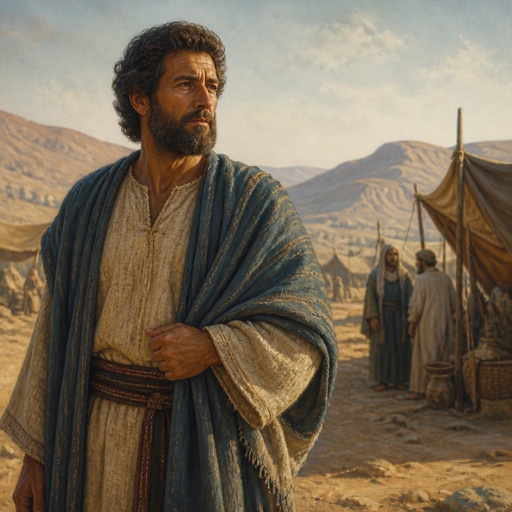
"Of Benjamin; Abidan the son of Gideoni." - Numbers 1:11
Numbers 11

Numbers 11:17
Numbers 11 quail

Numbers 11:15

Numbers 11:5

Numbers 11:16-26

Numbers 26:11 - "Notwithstanding the children of Korah died not."

Numbers 5:11 - "¶ And the LORD spake unto Moses, saying,"

Numbers 3:11 - "And the LORD spake unto Moses, saying,"

Numbers 11 dead quail Moses

Numbers 11:7 - "And the manna was as coriander seed, and the colour thereof as the colour of bdellium."

"The ninth to Jeshua, the tenth to Shecaniah," - 1 Chronicles 24:11

Numbers 33:11 - "And they removed from the Red sea, and encamped in the wilderness of Sin."

Numbers 11:30 - "And Moses gat him into the camp, he and the elders of Israel."

Numbers 13:11 - "Of the tribe of Joseph, namely, of the tribe of Manasseh, Gaddi the son of Susi."

Numbers 31:11 - "And they took all the spoil, and all the prey, both of men and of beasts."

Numbers 11:9 - "And when the dew fell upon the camp in the night, the manna fell upon it."

Numbers 15:11 - "Thus shall it be done for one bullock, or for one ram, or for a lamb, or a kid."

Numbers 2:11 - "And his host, and those that were numbered thereof, were forty and six thousand and five hundred."

Numbers 17:11 - "And Moses did so: as the LORD commanded him, so did he."

Numbers 11:35 - "And the people journeyed from Kibroth-hattaavah unto Hazeroth; and abode at Hazeroth."

"Notwithstanding the children of Korah died not." - Numbers 26:11

Numbers 19:11 - "¶ He that toucheth the dead body of any man shall be unclean seven days."