What does Numbers 12:7 mean?
“My servant Moses is not so, who is faithful in all mine house.” — Numbers 12:7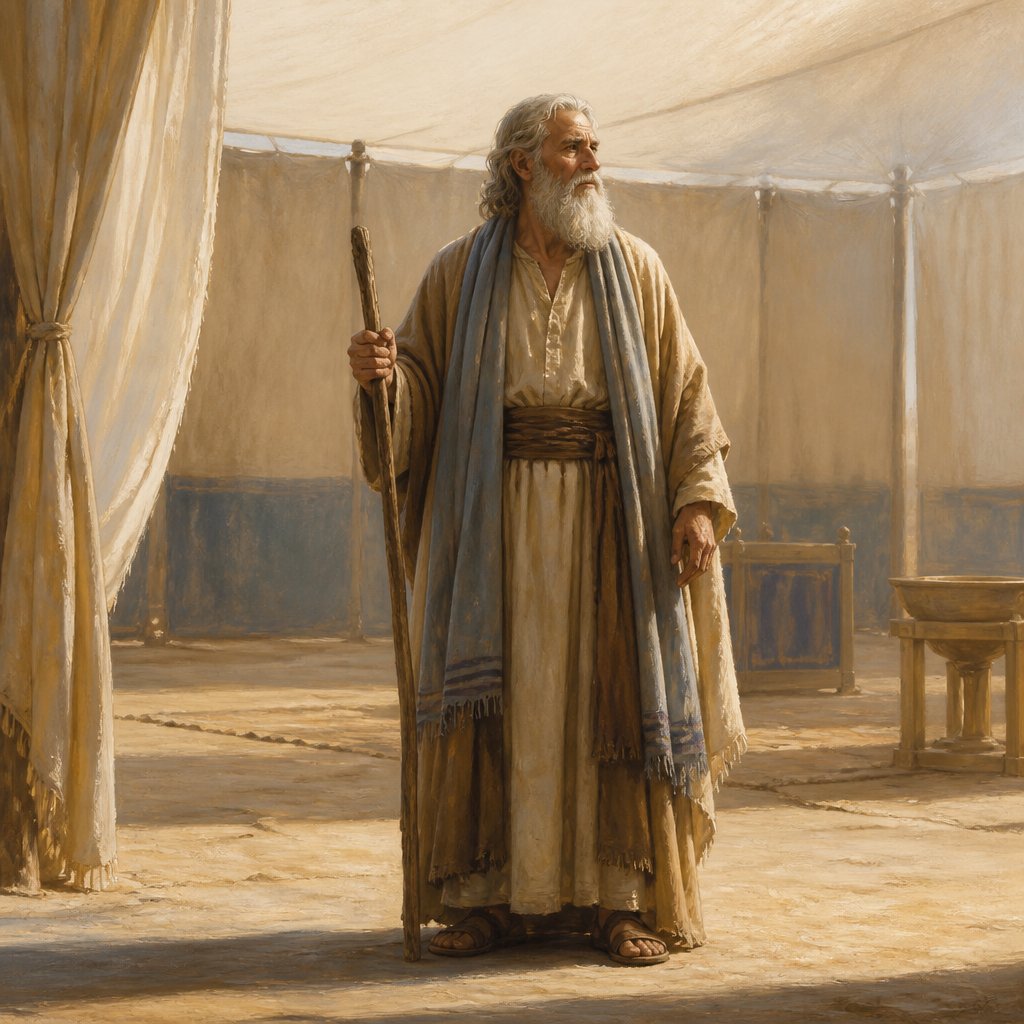
Numbers 12:7 KJV: "My servant Moses is not so, who is faithful in all mine house."
Numbers 12:7 is a part of a larger passage in the Book of Numbers that tells the story of Moses and his leadership of the Israelites. The verse comes from a confrontation between Moses and his siblings, Aaron and Miriam, who were questioning his leadership. Throughout the book of Numbers, Moses consistently faces opposition and doubt from the Israelites, but this verse serves as a reassurance of his faithfulness and authority as a servant of God.
The context of Numbers 12:7 is important to understanding its significance. In the preceding verses, Aaron and Miriam are speaking against Moses because of his marriage to an Ethiopian woman. They argue that God speaks through them just as much as he speaks through Moses. However, God intervenes and makes it clear that Moses is set apart from his siblings, and that he speaks to Moses directly and not in riddles or dreams, as he does with other prophets.
In this verse, God is firmly affirming Moses' position and authority as a faithful servant in his house. This statement not only serves as a rebuke to Aaron and Miriam, but it also illustrates the unique relationship Moses has with God. His faithfulness is contrasted with the doubt and dissent of his siblings, portraying him as an example of unwavering dedication to God's will.
One of the key themes of Numbers 12:7 is the concept of faithfulness and obedience as a defining characteristic of a true servant of God. Moses' faithfulness is held up as an example for all believers to follow. It shows that despite the challenges and opposition he faced, Moses remained steadfast in his commitment to God's house and purpose. This theme highlights the importance of loyalty and trust in God's plan, even in the face of adversity.
Another theme present in this verse is the idea of hierarchy and authority within God's house. Moses is presented as a figure of ultimate authority, chosen specifically by God to lead the Israelites. This underscores the importance of obedience to God-ordained leadership and the consequences of challenging that authority.
From a symbolic perspective, Moses can be seen as a representation of Jesus Christ. Both figures were called to lead God's people and faced opposition and doubt from those around them. Like Moses, Jesus was faithful in all of God's house and was ultimately vindicated by God. In this sense, Numbers 12:7 can be seen as a foreshadowing of the ultimate faithfulness and authority of Jesus Christ as the true and perfect servant of God.
In conclusion, Numbers 12:7 is a powerful affirmation of Moses' faithfulness and authority as a servant of God. It emphasizes the themes of faithfulness, obedience, and the importance of God-ordained authority. The verse also holds symbolic significance in pointing towards the ultimate faithfulness and authority of Jesus Christ. It serves as a reminder for believers to remain steadfast in their commitment to God's will and to honor the authority he has established.
Get our apps


Artwork for Numbers 12:7

Numbers 12:7 - "My servant Moses is not so, who is faithful in all mine house."
"My servant Moses is not so, who is faithful in all mine house." - Numbers 12:7

Numbers 7:12 - "¶ And he that offered his offering the first day was Nahshon the son of Amminadab, of the tribe of Judah:"
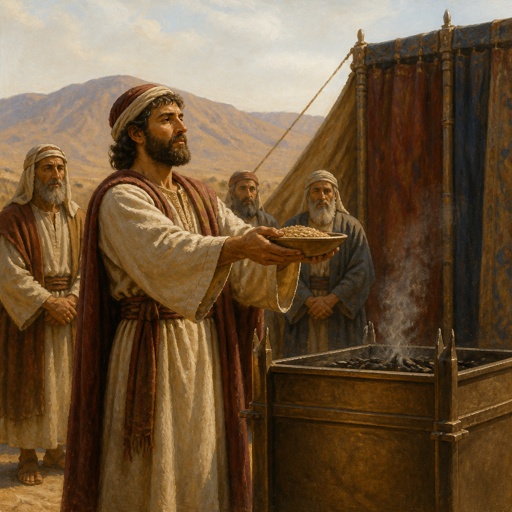
"¶ And he that offered his offering the first day was Nahshon the son of Amminadab, of the tribe of Judah:" - Numbers 7:12

Numbers 12 15
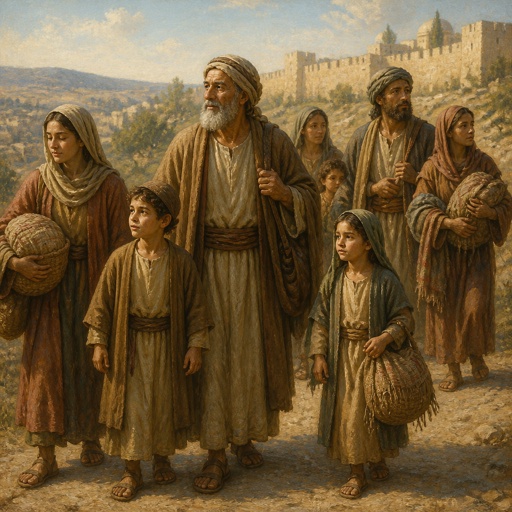
"The children of Elam, a thousand two hundred fifty and four." - Nehemiah 7:12

Numbers 29:7

Numbers 4:7

In Numbers 12, Miriam and Aaron

Numbers 1:12 - "Of Dan; Ahiezer the son of Ammishaddai."

Numbers 7:1-9

Numbers 7:7 - "Two wagons and four oxen he gave unto the sons of Gershon, according to their service:"

Numbers 4:7-8

Numbers 13:12 - "Of the tribe of Dan, Ammiel the son of Gemalli."

Numbers 1:7 - "Of Judah; Nahshon the son of Amminadab."

Numbers 12:12 - "Let her not be as one dead, of whom the flesh is half consumed when he cometh out of his mother's womb."

Numbers 21:12 - "¶ From thence they removed, and pitched in the valley of Zared."

Numbers 7:64 - "One kid of the goats for a sin offering:"

Numbers 7:76 - "One kid of the goats for a sin offering:"

Numbers 7:34 - "One kid of the goats for a sin offering:"

Numbers 7:58 - "One kid of the goats for a sin offering:"

Numbers 7:22 - "One kid of the goats for a sin offering:"

Numbers 7:70 - "One kid of the goats for a sin offering:"

Numbers 7:82 - "One kid of the goats for a sin offering:"

Numbers 12:9 - "And the anger of the LORD was kindled against them; and he departed."

Numbers 7:46 - "One kid of the goats for a sin offering:"

Numbers 7:16 - "One kid of the goats for a sin offering:"

Numbers 7:4 - "And the LORD spake unto Moses, saying,"

Numbers 20:7 - "¶ And the LORD spake unto Moses, saying,"

Numbers 7:52 - "One kid of the goats for a sin offering:"