What does Numbers 15:19 mean?
“Then it shall be, that, when ye eat of the bread of the land, ye shall offer up an heave offering unto the LORD.” — Numbers 15:19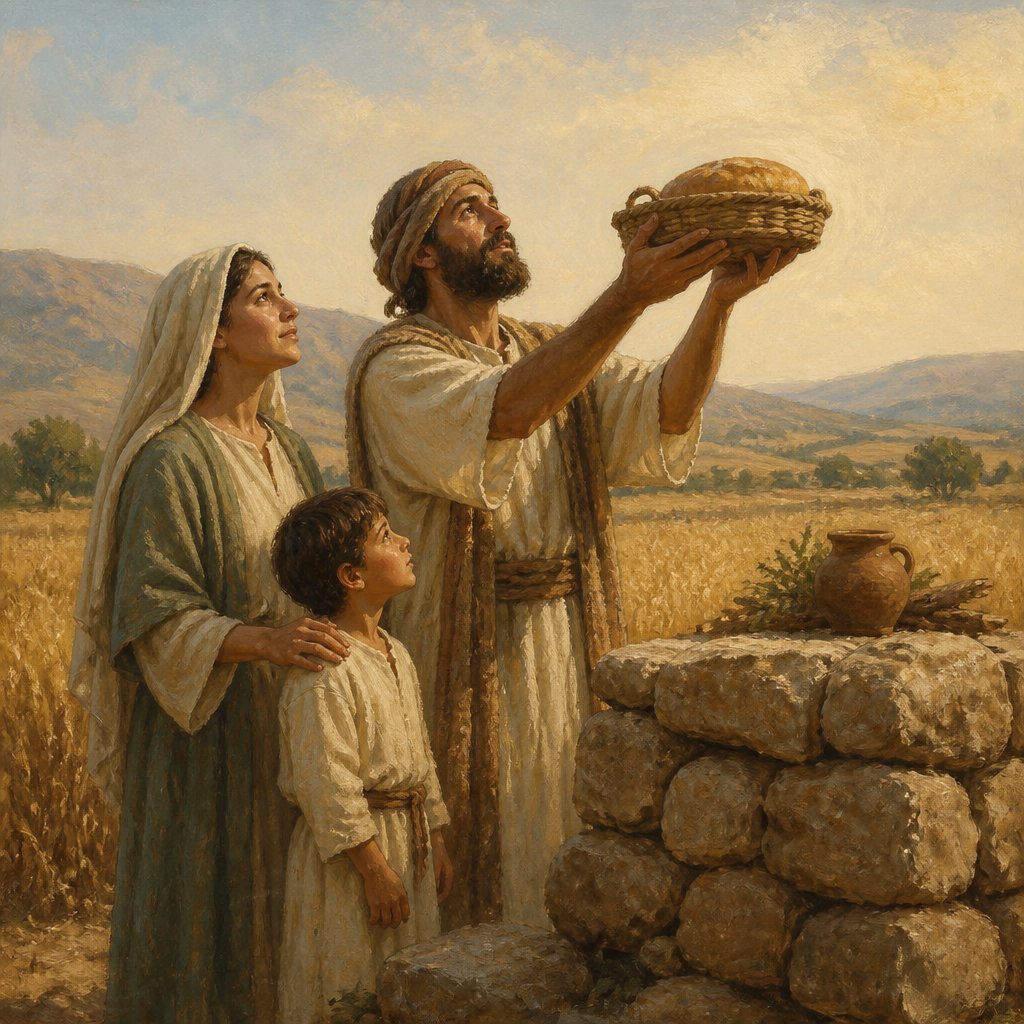
Numbers 15:19 from the King James Version (KJV) of the Bible states, "Then it shall be, that, when ye eat of the bread of the land, ye shall offer up an heave offering unto the Lord." This verse is found in the Old Testament, specifically in the book of Numbers, which chronicles the Israelites' journey from Mount Sinai to the border of the Promised Land.
In order to understand the significance and meaning of Numbers 15:19, it is important to examine the context in which it is situated. The verse is part of a larger passage outlining the various offerings that the Israelites were instructed to present to the Lord as they settled in the Promised Land. These offerings were a way for the Israelites to express their gratitude and devotion to God, as well as to seek His favor and blessing.
The specific offering mentioned in Numbers 15:19 is the heave offering, which was a portion of the dough that the Israelites were to set aside and present to the Lord each time they baked bread from the produce of the land. This act of offering a portion of the bread to the Lord was symbolic of acknowledging God as the provider of their sustenance and expressing thanksgiving for His provision. It was also a way for the Israelites to demonstrate their obedience and faithfulness to God's commands.
The concept of offering a heave offering to the Lord is rooted in the broader theme of sacrifice and worship found throughout the Bible. The act of giving a portion of one's possessions or resources to God was a common practice in the Old Testament, and it represented a tangible expression of faith and devotion. The offering of the firstfruits, including the heave offering, was a way for the Israelites to demonstrate their trust in God's provision and to seek His favor and blessing upon their livelihood.
Furthermore, the act of offering a heave offering also carried spiritual significance. It was a way for the Israelites to consecrate their daily activities, such as baking bread, to the Lord and to recognize His presence in every aspect of their lives. By setting aside a portion of the dough and presenting it as an offering, the Israelites were acknowledging God's sovereignty over their daily sustenance and seeking to honor Him in all their endeavors.
The symbolism of the heave offering extends beyond the physical act of presenting bread to the Lord. It serves as a reminder of the Israelites' covenant relationship with God and their dependence on Him for their well-being. Just as the Israelites offered a portion of their bread as a heave offering, Christians are called to offer their lives as living sacrifices to God, as the apostle Paul exhorts in Romans 12:1. This involves dedicating all aspects of one's life to God and seeking to honor Him in everything.
In conclusion, Numbers 15:19 communicates the importance of offering a heave offering to the Lord as a symbol of gratitude, obedience, and consecration. It is a reminder of the Israelites' dependence on God for their sustenance and a call to recognize His presence in every aspect of their lives. This verse also points to the broader theme of sacrifice and worship found throughout the Bible, emphasizing the significance of offering one's possessions and resources to God as an act of faith and devotion. Ultimately, Numbers 15:19 serves as a timeless reminder for believers to honor God in all their endeavors and to acknowledge His sovereignty over every aspect of their lives.
Get our apps


Artwork for Numbers 15:19

Numbers 15:19 - "Then it shall be, that, when ye eat of the bread of the land, ye shall offer up an heave offering unto the LORD."
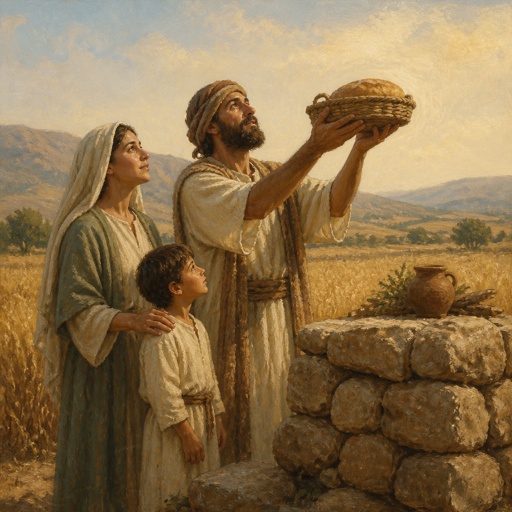
"Then it shall be, that, when ye eat of the bread of the land, ye shall offer up an heave offering unto the LORD." - Numbers 15:19

Numbers 19:15 - "And every open vessel, which hath no covering bound upon it, is unclean."
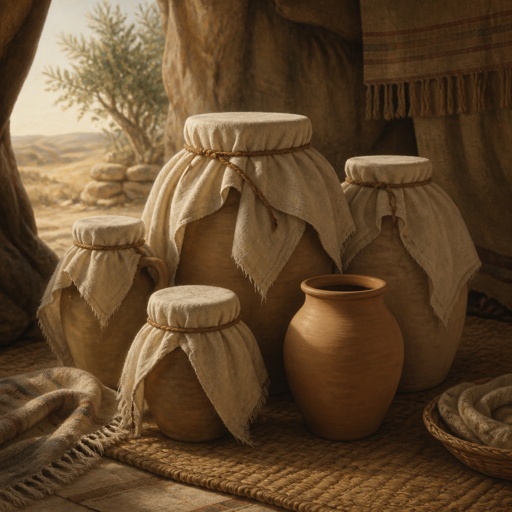
"And every open vessel, which hath no covering bound upon it, is unclean." - Numbers 19:15

Numbers 19:14-19 Touching a dead is unclean

Numbers 12 15

Numbers 11:15

Numbers 1:15 - "Of Naphtali; Ahira the son of Enan."

numbers 31:14-15

Numbers 1:19 - "As the LORD commanded Moses, so he numbered them in the wilderness of Sinai."

Numbers 21:19 - "And from Mattanah to Nahaliel: and from Nahaliel to Bamoth:"

Numbers 33:19 - "And they departed from Rithmah, and pitched at Rimmon-parez."

Numbers 27:15 - "¶ And Moses spake unto the LORD, saying,"

Numbers 15:17 - "¶ And the LORD spake unto Moses, saying,"

Numbers 15:37 - "¶ And the LORD spake unto Moses, saying,"

Genesis 15:19

Genesis 19-15

Numbers 3:19 - "And the sons of Kohath by their families; Amram, and Izehar, Hebron, and Uzziel."

Numbers 34:19 - "And the names of the men are these: Of the tribe of Judah, Caleb the son of Jephunneh."

Numbers 19:1 - "And the LORD spake unto Moses and unto Aaron, saying,"

Numbers 15:1 - "And the LORD spake unto Moses, saying,"

Numbers 13:15 - "Of the tribe of Gad, Geuel the son of Machi."

Numbers 2:19 - "And his host, and those that were numbered of them, were forty thousand and five hundred."

Numbers 10:19 - "And over the host of the tribe of the children of Simeon was Shelumiel the son of Zurishaddai."

Numbers 33:15 - "And they departed from Rephidim, and pitched in the wilderness of Sinai."

Genesis 15:19 - "The Kenites, and the Kenizzites, and the Kadmonites,"

John 21:15-19

Luke 21:15-19

Numbers 29:15 - "And a several tenth deal to each lamb of the fourteen lambs:"

Numbers 10:15 - "And over the host of the tribe of the children of Issachar was Nethaneel the son of Zuar."