What does Numbers 17:13 mean?
“Whosoever cometh any thing near unto the tabernacle of the LORD shall die: shall we be consumed with dying?” — Numbers 17:13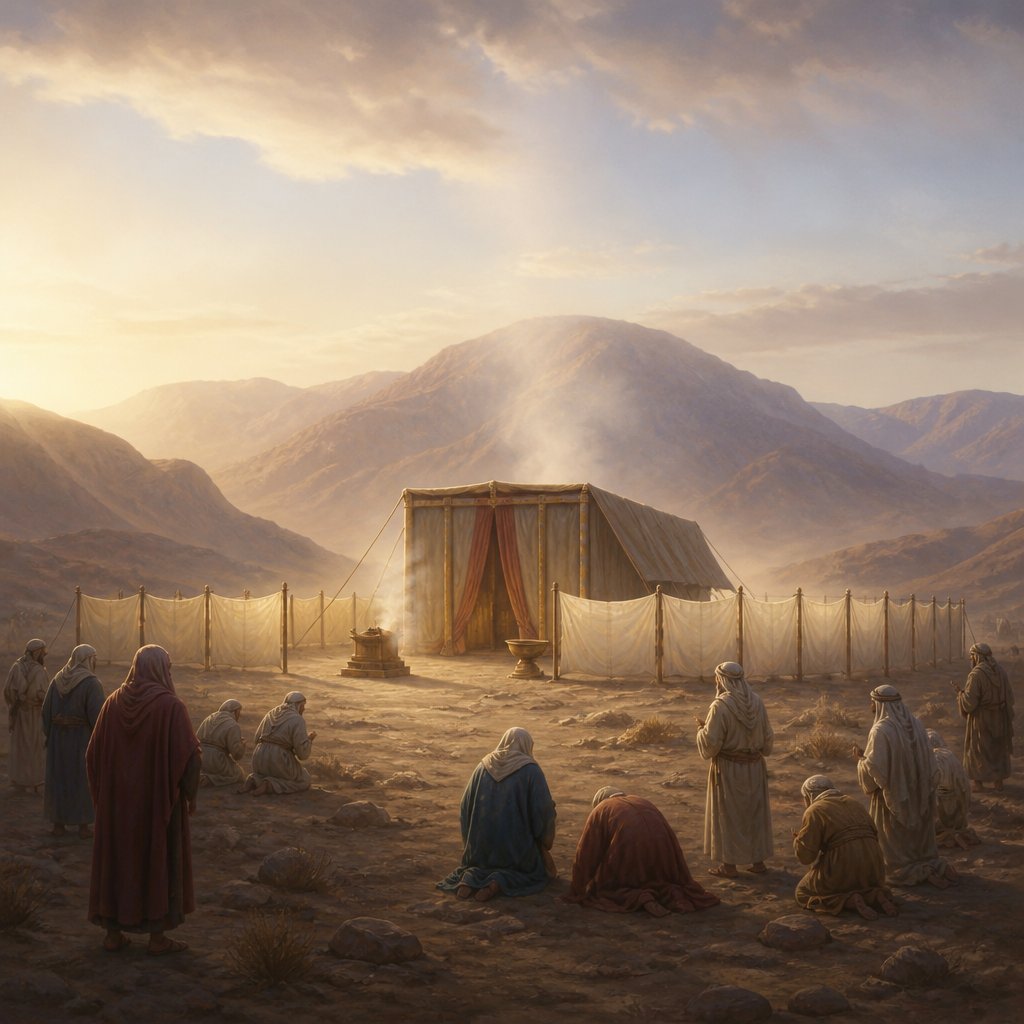
Numbers 17:13 in the King James Version of the Bible reads, "Whosoever cometh any thing near unto the tabernacle of the Lord shall die: shall we be consumed with dying?"
This verse comes from the book of Numbers, which is the fourth book of the Old Testament. It is a book that recounts the Israelites' journey from Mount Sinai to the border of the Promised Land. The verse is part of a larger narrative in which the people of Israel are grumbling against the leadership of Moses and Aaron, and God is demonstrating his power and authority to the people.
In this specific verse, the context is that the Lord is affirming His command for the Levites to be in charge of the tabernacle and to prevent any unauthorized person from coming near it. The tabernacle was the place where God's presence dwelt among the Israelites, and it was the center of their worship and sacrificial system. The Lord's command that "whosoever cometh any thing near unto the tabernacle of the Lord shall die" was a serious and solemn warning that was meant to establish and maintain order and reverence for the holiness of the tabernacle.
The verse also reflects the broader theme of the holiness and reverence for the Lord and His dwelling place among His people. The tabernacle was a symbol of God's presence, and the laws and regulations surrounding it were meant to communicate the seriousness and the holiness of approaching God.
The symbolism in this verse is also significant. The tabernacle represented a place where heaven and earth met, where humanity could come into the presence of God. However, the holiness of God meant that access to His presence could not be taken lightly. The warning that "whosoever cometh any thing near unto the tabernacle of the Lord shall die" was a reminder that God's holiness required reverence and obedience.
The broader implications of this verse can also be seen in the New Testament. In the book of Hebrews, the author speaks of the tabernacle and the new covenant in Jesus Christ. The tabernacle and its regulations served as a shadow of the heavenly realities that were fulfilled in Christ. The warning against approaching the tabernacle without proper authorization can be seen as a foreshadowing of the greater warning against approaching God without the cleansing and righteousness found in Jesus Christ.
In conclusion, Numbers 17:13 reflects the theme of holiness and reverence for the Lord and His dwelling place among His people. It serves as a warning against approaching God in a careless or irreverent manner. The symbolism of the tabernacle as a place where heaven and earth meet and the implications for the New Testament understanding of approaching God through Jesus Christ make this verse a significant part of the broader biblical narrative.
Get our apps


Artwork for Numbers 17:13

Numbers 17:13 - "Whosoever cometh any thing near unto the tabernacle of the LORD shall die: shall we be consumed with dying?"
"Whosoever cometh any thing near unto the tabernacle of the LORD shall die: shall we be consumed with dying?" - Numbers 17:13

Numbers 13:17 - "¶ And Moses sent them to spy out the land of Canaan, and said unto them, Get you up this way southward, and go up into the mountain:"

Numbers 11:17

Numbers 13:13 - "Of the tribe of Asher, Sethur the son of Michael."

Numbers 25:17 - "Vex the Midianites, and smite them:"

Numbers 15:17 - "¶ And the LORD spake unto Moses, saying,"

Numbers 33:17 - "And they departed from Kibroth-hattaavah, and encamped at Hazeroth."

Numbers 26:17 - "Of Arod, the family of the Arodites: of Areli, the family of the Arelites."

Numbers 17:1 - "And the LORD spake unto Moses, saying,"

"And that no man might buy or sell, save he that had the mark, or the name of the beast, or the number of his name." - Revelation 13:17

Numbers 23:1-13

Numbers 4:17 - "¶ And the LORD spake unto Moses and unto Aaron, saying,"

Numbers 3:17 - "And these were the sons of Levi by their names; Gershon, and Kohath, and Merari."

"Of the tribe of Asher, Sethur the son of Michael." - Numbers 13:13

Numbers 1:13 - "Of Asher; Pagiel the son of Ocran."
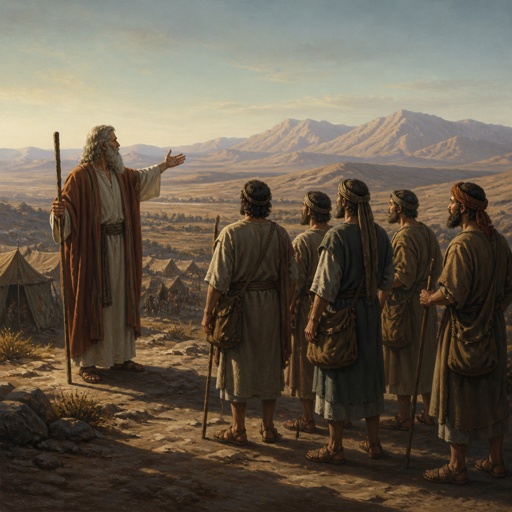
"¶ And Moses sent them to spy out the land of Canaan, and said unto them, Get you up this way southward, and go up into the mountain:" - Numbers 13:17

Numbers 1:17 - "¶ And Moses and Aaron took these men which are expressed by their names:"

Numbers 13:6 - "Of the tribe of Judah, Caleb the son of Jephunneh."

Numbers 13:10 - "Of the tribe of Zebulun, Gaddiel the son of Sodi."

Numbers 33:13 - "And they departed from Dophkah, and encamped in Alush."

Numbers 13:8 - "Of the tribe of Ephraim, Oshea the son of Nun."

Numbers 13:9 - "Of the tribe of Benjamin, Palti the son of Raphu."

Numbers 13:5 - "Of the tribe of Simeon, Shaphat the son of Hori."

Numbers 13:1 - "And the LORD spake unto Moses, saying,"

Numbers 13:15 - "Of the tribe of Gad, Geuel the son of Machi."

Numbers 13:12 - "Of the tribe of Dan, Ammiel the son of Gemalli."

Numbers 13:7 - "Of the tribe of Issachar, Igal the son of Joseph."

Numbers 13:14 - "Of the tribe of Naphtali, Nahbi the son of Vophsi."

Genesis 17-13