What does Numbers 1:2 mean?
“Take ye the sum of all the congregation of the children of Israel, after their families, by the house of their fathers, with the number of their names, every male by their polls;” — Numbers 1:2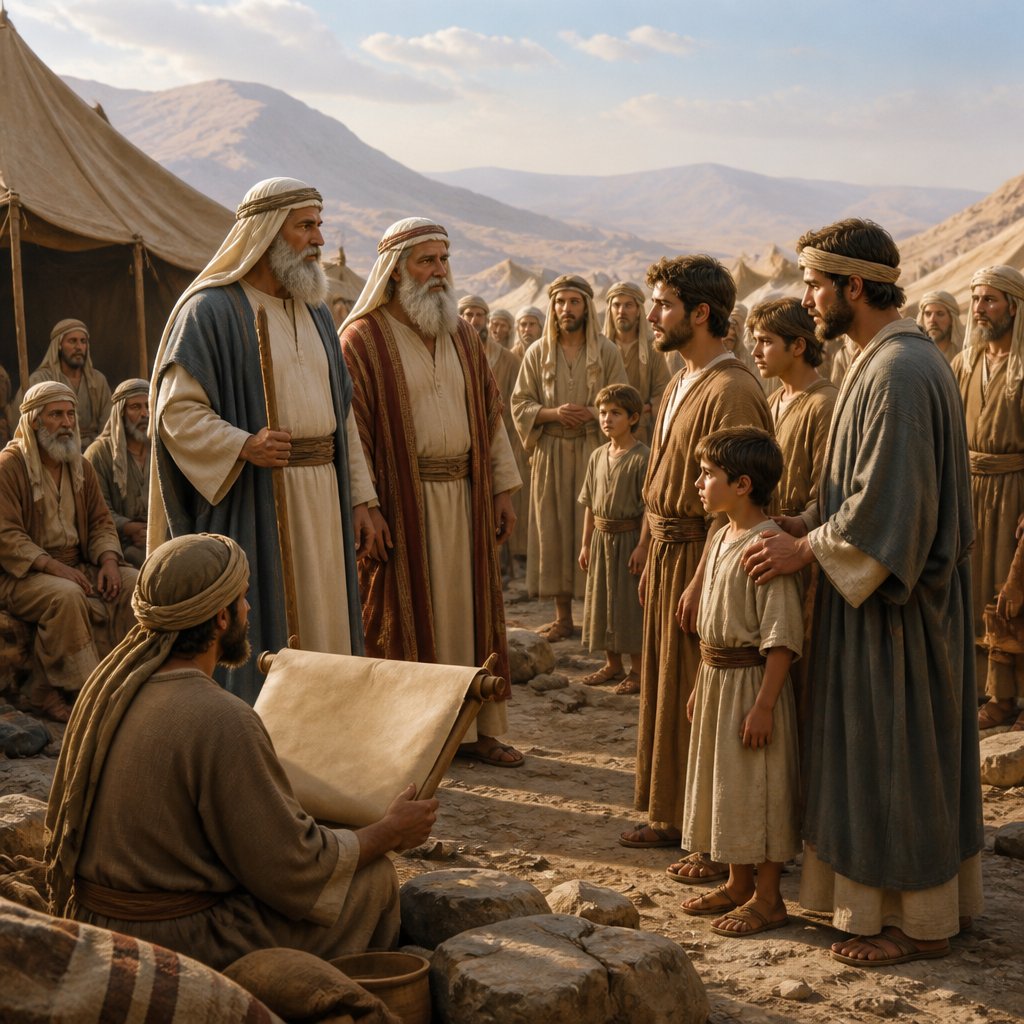
The Bible verse Numbers 1:2 in the King James Version (KJV) reads, "Take ye the sum of all the congregation of the children of Israel, after their families, by the house of their fathers, with the number of their names, every male by their polls." This verse is found in the Old Testament book of Numbers, which is the fourth book of the Bible.
To understand the meaning and commentary of this verse, it is important to consider the context in which it was written. The book of Numbers takes place during the Israelites' journey through the wilderness after their exodus from Egypt. At the beginning of the book, the Israelites are encamped at Mount Sinai, and God speaks to Moses, instructing him to take a census of all the able-bodied men in the community who are of fighting age. The purpose of this census is to prepare the Israelites for military action and to organize them according to their tribes and families.
The verse is a directive from God to Moses, telling him to gather a complete count of all the members of the congregation of Israel. The phrase "after their families, by the house of their fathers, with the number of their names, every male by their polls" indicates that the census is to be taken according to family lineage and specifically among the males. This suggests a focus on the head of each household and the importance of patriarchal lineage within the community.
One of the key themes in this verse is the idea of order and organization within the community of Israel. God's directive to take a census reflects his desire for the Israelites to be prepared and structured as they continue their journey through the wilderness. This theme of order and organization can also be seen in the larger context of the book of Numbers, as it contains detailed instructions for the arrangement of the Israelite camp, the responsibilities of the Levites, and the division of the promised land among the tribes.
Another important theme in this verse is the idea of identity and belonging. By counting the members of each family and tribe, the Israelites are affirming their shared heritage and lineage. This emphasis on genealogy and family ties reinforces the sense of community and unity among the Israelites, as they are reminded of their common ancestry and purpose.
The symbolism in this verse is also rich and significant. The act of taking a census symbolizes God's care and concern for each individual within the community. By numbering the members of the congregation, God is acknowledging the value and significance of each person as part of the whole. This symbolism emphasizes the idea of inclusion and representation, as every male is to be counted and recognized within the community.
In conclusion, Numbers 1:2 in the King James Version of the Bible carries a message of order, organization, identity, and representation within the community of Israel. It reflects God's instructions to Moses to take a census of the congregation, emphasizing the importance of family lineage and the inclusion of every male within the community. This verse speaks to the themes of community unity and the significance of individual members, and it symbolizes God's care and concern for each person. As such, it offers meaningful insight into the values and priorities of the Israelites as they journey through the wilderness under the guidance of God.
Get our apps


Artwork for Numbers 1:2

Numbers 1:2 - "Take ye the sum of all the congregation of the children of Israel, after their families, by the house of their fathers, with the number of their names, every male by their polls;"
"Take ye the sum of all the congregation of the children of Israel, after their families, by the house of their fathers, with the number of their names, every male by their polls;" - Numbers 1:2

NUMBERS 27:2

Numbers 2:1 - "And the LORD spake unto Moses and unto Aaron, saying,"
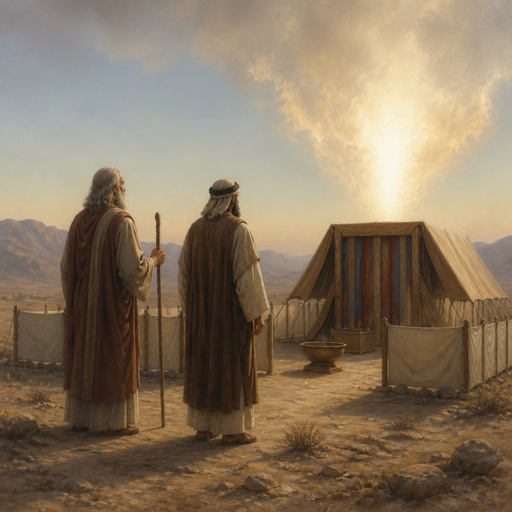
"And the LORD spake unto Moses and unto Aaron, saying," - Numbers 2:1

Numbers 27 1

Numbers 32:33

Numbers 3:41

Numbers 12 15

Numbers 32:38

Numbers 23:30

Numbers 4:8

Numbers 2:33 - "But the Levites were not numbered among the children of Israel; as the LORD commanded Moses."

"For I determined not to know any thing among you, save Jesus Christ, and him crucified." - 1 Corinthians 2:2

Ending scene of numbers 14

Numbers 7:1-9
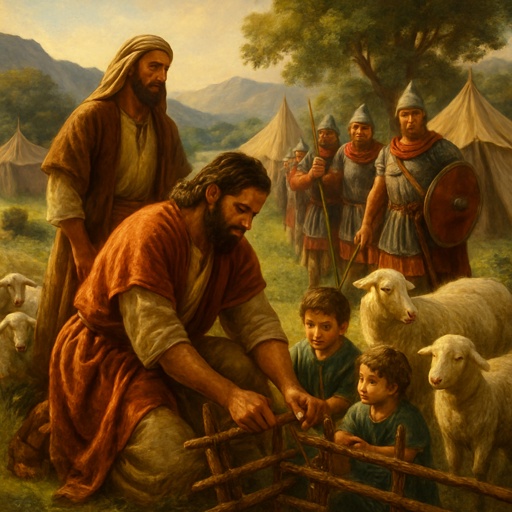
Numbers 32:16-18
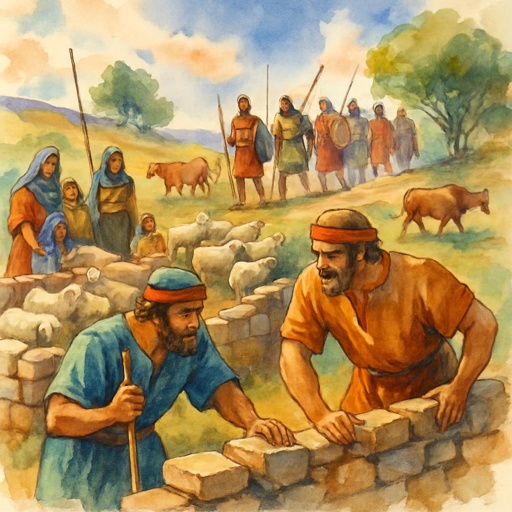
Numbers 32:16-18

Numbers 11. 4 to 6

Numbers 4:7-8

Numbers 1:50 -53

Numbers 23:1-13

Numbers 1:50 -53

Numbers 1:50 -53

Numbers 1:7 - "Of Judah; Nahshon the son of Amminadab."

Numbers 1:15 - "Of Naphtali; Ahira the son of Enan."

"We give thanks to God always for you all, making mention of you in our prayers;" - 1 Thessalonians 1:2

Numbers 1:47 - "¶ But the Levites after the tribe of their fathers were not numbered among them."

Numbers 1:9 - "Of Zebulun; Eliab the son of Helon."

Numbers 1:14 - "Of Gad; Eliasaph the son of Deuel."