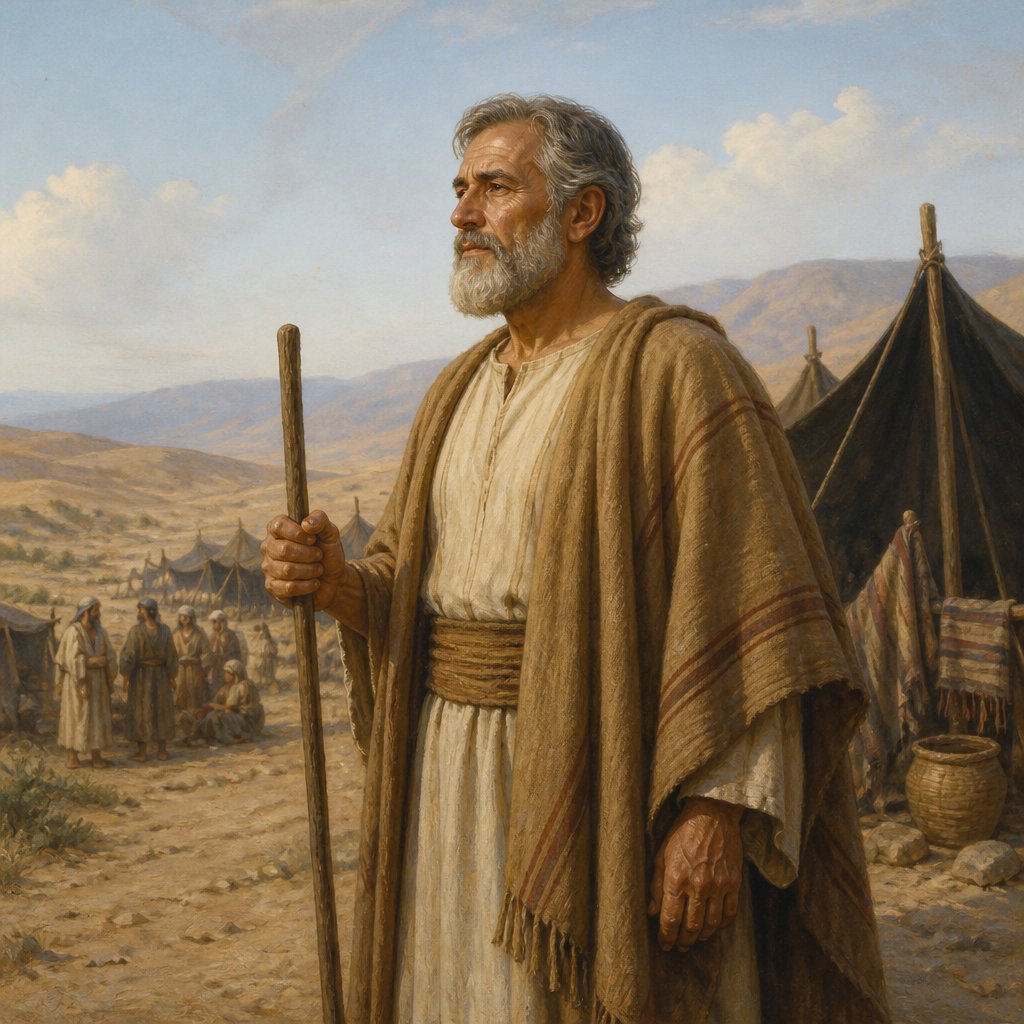
The verse numbers-1:9 in the King James Version of the Bible states, "And God said, Let the waters under the heaven be gathered together unto one place, and let the dry land appear: and it was so." This verse is taken from the Book of Genesis, which is the first book of the Bible and serves as the foundation for the Christian faith.
The Book of Genesis is known for its detailed account of the creation of the world, as well as the origin of humanity and the establishment of the covenant between God and his chosen people. In this particular verse, we witness the culmination of the second day of creation, where God commands the waters to separate from the dry land, thus forming the landmasses and bodies of water that we see today.
From a thematic perspective, this verse touches upon the concepts of order, power, and the divine will. Throughout the creation narrative, we see God speaking things into existence, showcasing his absolute authority over the universe. This verse is no exception, as God's mere utterance brings about the physical separation of the land and water. This power of divine command underscores the theme of God as the ultimate creator and ruler of the world.
Additionally, the verse highlights the theme of order and purpose in the created world. By separating the waters from the land, God establishes distinct boundaries and functions for each element. This sense of order reflects the idea that everything in the natural world has a specific role and place, all of which are defined by the will of God.
The broader context of this verse within the Book of Genesis is essential for understanding its significance. It occurs within the first chapter, which depicts the unfolding of creation over the course of six days. Each day, God brings forth new elements of the world, culminating in the creation of humanity on the sixth day. This verse, being part of the second day, sets the stage for the subsequent days of creation and establishes the framework for the world as we know it.
One of the key symbols in this verse is the distinction between the land and the water. This symbolism extends beyond the physical separation and can be seen as a representation of dichotomies present throughout the Bible, such as light and darkness, good and evil, and heaven and earth. This duality, established by God's design, underscores the theme of divine order and the complementary nature of creation.
From a theological standpoint, this verse also holds significance in the Christian understanding of God's sovereignty and creative power. It serves as a foundational passage for the belief in God as the ultimate source of all existence and the sustainer of the natural world. Furthermore, it emphasizes the importance of recognizing and respecting the boundaries set by God in the created order.
In conclusion, the verse numbers-1:9 from the King James Version of the Bible carries rich symbolism and thematic significance within the broader context of the Book of Genesis. It serves as a testament to God's authority and power as the creator of the world, while also highlighting the themes of order and purpose in the natural world. When viewed through a theological lens, this verse reinforces the fundamental belief in God's sovereignty and the divine design of the universe.
Get our apps


Artwork for Numbers 1:9

Numbers 1:9 - "Of Zebulun; Eliab the son of Helon."
"Of Zebulun; Eliab the son of Helon." - Numbers 1:9

Numbers 7:1-9
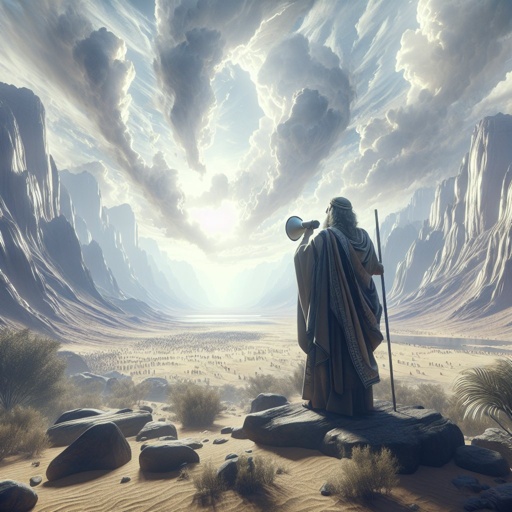
Numbers 9:1 - "And the LORD spake unto Moses in the wilderness of Sinai, in the first month of the second year after they were come out of the land of Egypt, saying,"

Numbers 9:9 - "¶ And the LORD spake unto Moses, saying,"

"¶ And the LORD spake unto Moses, saying," - Numbers 9:9

Numbers 35:9 - "¶ And the LORD spake unto Moses, saying,"

Numbers 13:9 - "Of the tribe of Benjamin, Palti the son of Raphu."

Numbers 12:9 - "And the anger of the LORD was kindled against them; and he departed."

Numbers 25:9 - "And those that died in the plague were twenty and four thousand."

Numbers 9:16 - "So it was alway: the cloud covered it by day, and the appearance of fire by night."

Numbers 22:9 - "And God came unto Balaam, and said, What men are these with thee?"

Numbers 9:4 - "And Moses spake unto the children of Israel, that they should keep the passover."

"The fifth to Malchijah, the sixth to Mijamin," - 1 Chronicles 24:9

Numbers 11:9 - "And when the dew fell upon the camp in the night, the manna fell upon it."

Numbers 9:2 - "Let the children of Israel also keep the passover at his appointed season."

Numbers 20:9 - "And Moses took the rod from before the LORD, as he commanded him."

"That was the true Light, which lighteth every man that cometh into the world." - John 1:9
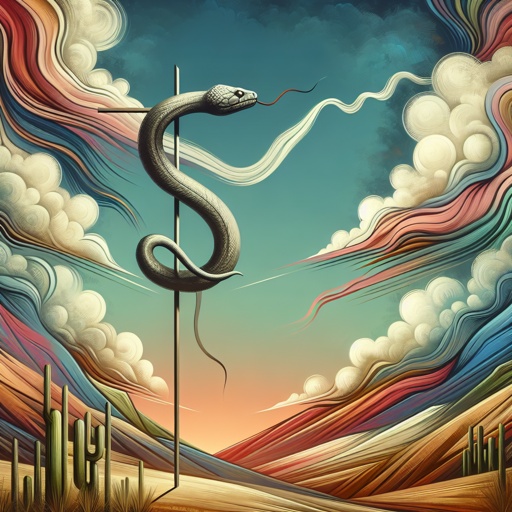
numbers 21:8-9 & John 3:14

Numbers 27:9 - "And if he have no daughter, then ye shall give his inheritance unto his brethren."

"Create a detailed and artistic mosaic image that depicts various scenes from the biblical book of Numbers (Bamidbar) chapters 8:1 to 12:1. The image should be divided into sections, each representing different events within these chapters, in a style that reflects traditional Jewish art and avoids Christian or Catholic imagery. Numbers 8:1-4: Show the lighting of the Menorah in the Tabernacle (Mishkan). Aaron, the High Priest, should be lighting the Menorah. Ensure that the seven-branched Menorah is prominently displayed. Numbers 8:5-26: Depict the consecration of the Levites (Leviím). Show the Levites being presented before the Tent of Meeting, having their heads shaved and being sprinkled with purifying water. Include elements such as offerings and the elders of Israel laying their hands on the Levites. Numbers 9:1-14: Illustrate the Israelites observing the Passover (Pesach) in the wilderness. Show families gathered around the Passover meal, with symbols of matzah and lamb. Also, include the people who were impure because of contact with a dead body and how they are consulting Moses about observing the Passover later. Numbers 9:15-23: Display the cloud covering the Tabernacle by day and the appearance of fire by night. Show the Israelites encamped around the Tabernacle, with their tents in the background, and the divine cloud and fire above. Numbers 10:1-10: Illustrate the making and use of the silver trumpets (chatzotzrot). Show the priests blowing the trumpets to signal the Israelites' movements and gather the assembly. Numbers 10:11-36: Depict the Israelites setting out from the wilderness of Sinai, following the cloud of the Lord. Show the ark of the covenant being carried by the Levites, leading the people. Numbers 11:1-35: Portray the incidents of the people's complaints and God's provision of quail. Include scenes of the people gathering quail and a representation of the fire that consumed some of the camp due to their complaints. Show Moses speaking to God, but ensure Moses' face is not visible. Numbers 12:1: Show the scene where Miriam and Aaron speak against Moses because of the Cushite woman he had married. Depict Miriam and Aaron in discussion, but do not show Moses' face. The entire mosaic should be harmonious and cohesive, with no individual faces of Moses visible and no words or numbers in the artwork. The style should reflect traditional Jewish artistic sensibilities and avoid any Christian or Catholic symbols."

"Create a detailed and artistic mosaic image that depicts various scenes from the biblical book of Numbers (Bamidbar) chapters 8:1 to 12:1. The image should be divided into sections, each representing different events within these chapters, in a style that reflects traditional Jewish art and avoids Christian or Catholic imagery. Numbers 8:1-4: Show the lighting of the Menorah in the Tabernacle (Mishkan). Aaron, the High Priest, should be lighting the Menorah. Ensure that the seven-branched Menorah is prominently displayed. Numbers 8:5-26: Depict the consecration of the Levites (Leviím). Show the Levites being presented before the Tent of Meeting, having their heads shaved and being sprinkled with purifying water. Include elements such as offerings and the elders of Israel laying their hands on the Levites. Numbers 9:1-14: Illustrate the Israelites observing the Passover (Pesach) in the wilderness. Show families gathered around the Passover meal, with symbols of matzah and lamb. Also, include the people who were impure because of contact with a dead body and how they are consulting Moses about observing the Passover later. Numbers 9:15-23: Display the cloud covering the Tabernacle by day and the appearance of fire by night. Show the Israelites encamped around the Tabernacle, with their tents in the background, and the divine cloud and fire above. Numbers 10:1-10: Illustrate the making and use of the silver trumpets (chatzotzrot). Show the priests blowing the trumpets to signal the Israelites' movements and gather the assembly. Numbers 10:11-36: Depict the Israelites setting out from the wilderness of Sinai, following the cloud of the Lord. Show the ark of the covenant being carried by the Levites, leading the people. Numbers 11:1-35: Portray the incidents of the people's complaints and God's provision of quail. Include scenes of the people gathering quail and a representation of the fire that consumed some of the camp due to their complaints. Show Moses speaking to God, but ensure Moses' face is not visible. Numbers 12:1: Show the scene where Miriam and Aaron speak against Moses because of the Cushite woman he had married. Depict Miriam and Aaron in discussion, but do not show Moses' face. The entire mosaic should be harmonious and cohesive, with no individual faces of Moses visible and no words or numbers in the artwork. The style should reflect traditional Jewish artistic sensibilities and avoid any Christian or Catholic symbols."
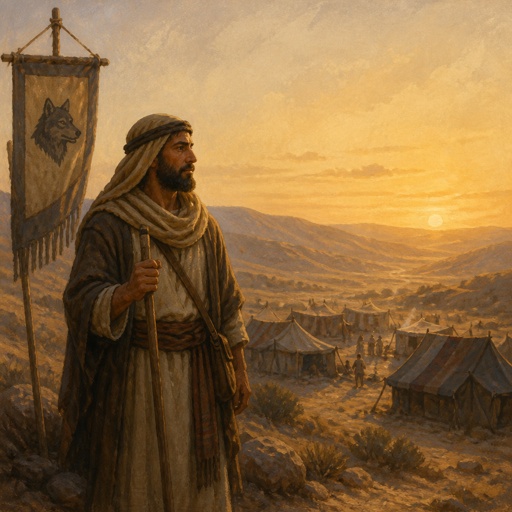
"Of the tribe of Benjamin, Palti the son of Raphu." - Numbers 13:9

"¶ And the LORD spake unto Moses, saying," - Numbers 35:9

Numbers 9:11 - "The fourteenth day of the second month at even they shall keep it, and eat it with unleavened bread and bitter herbs."

"If we confess our sins, he is faithful and just to forgive us our sins, and to cleanse us from all unrighteousness." - 1 John 1:9

Numbers 30:9 - "But every vow of a widow, and of her that is divorced, wherewith they have bound their souls, shall stand against her."

Numbers 9:8 - "And Moses said unto them, Stand still, and I will hear what the LORD will command concerning you."

Numbers 5:9 - "And every offering of all the holy things of the children of Israel, which they bring unto the priest, shall be his."

Numbers 34:9 - "¶ And the border shall go on to Ziphron, and the goings out of it shall be at Hazar-enan: this shall be your north border."