What does Numbers 20:1 mean?
“Then came the children of Israel, even the whole congregation, into the desert of Zin in the first month: and the people abode in Kadesh; and Miriam died there, and was buried there.” — Numbers 20:1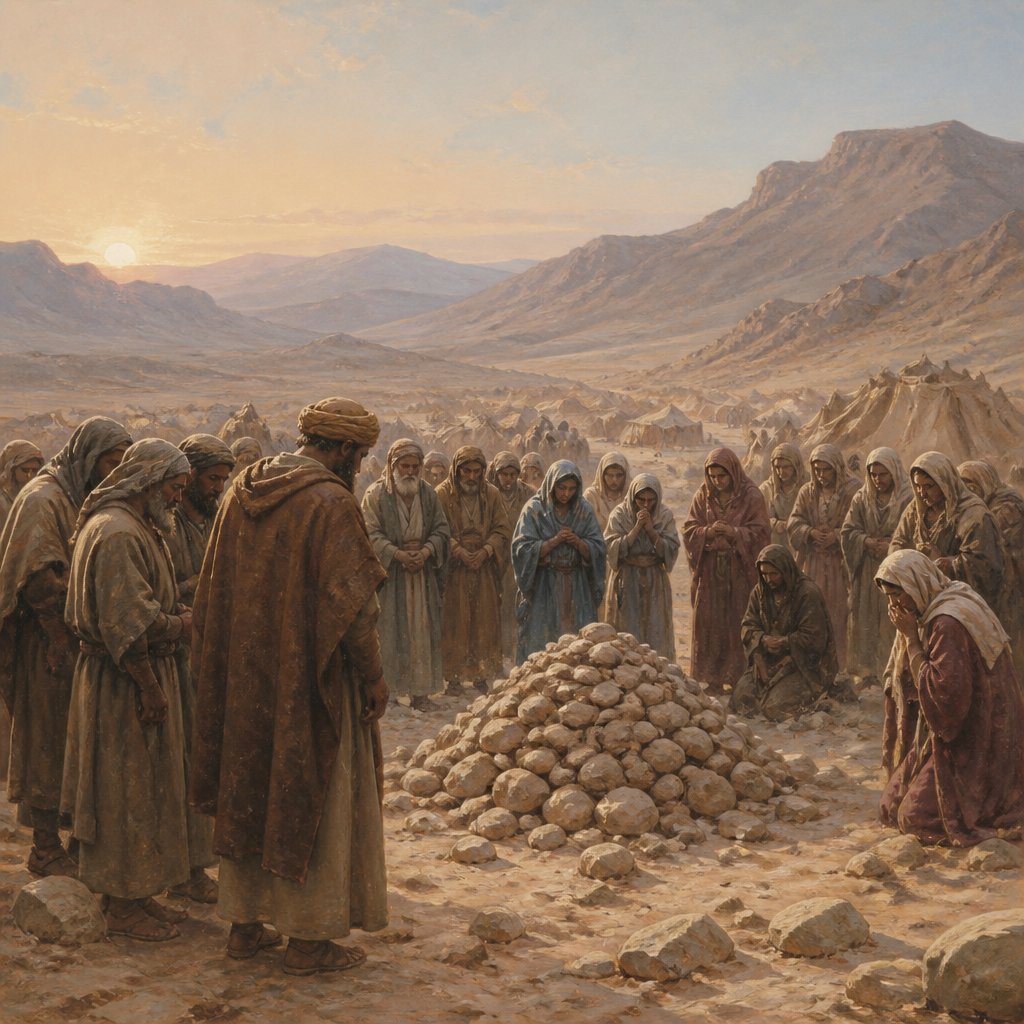
Numbers 20:1 in the King James Version of the Bible reads:
"Then came the children of Israel, even the whole congregation, into the desert of Zin in the first month: and the people abode in Kadesh; and Miriam died there, and was buried there."
This verse is significant within the broader context of the book of Numbers, recounting an important moment in the history of the Israelites as they journeyed through the wilderness. To fully understand the meaning and implications of Numbers 20:1, it is important to explore the themes, context, and symbolism at play within this verse.
One of the central themes of Numbers 20:1 is the idea of transition and change. The children of Israel had been wandering through the wilderness for a significant amount of time, and this verse marks a shift in their journey. The narrative of the Israelites' journey in the wilderness is one of constant movement and change, and this verse represents the movement of the people into a new area of the desert. This transition is not only geographical but also emotional and spiritual as the Israelites continue their journey towards the promised land.
Additionally, Numbers 20:1 introduces a significant event in the death and burial of Miriam, the sister of Moses and Aaron. Miriam holds a special place in the history of the Israelites, as she played a crucial role in the exodus from Egypt and was a prophetess and leader in her own right. Her death is a moment of mourning and transition for the entire congregation, and it marks the passing of an important figure in their history.
The setting of the desert of Zin is also symbolic within this verse. The desert is a common setting throughout the Bible, often representing a place of testing, purification, and spiritual growth. The desert is a harsh and unforgiving environment, and the Israelites' time in the wilderness serves as a metaphor for their own spiritual journey. In the context of Numbers 20:1, the desert of Zin symbolizes the challenges and trials that the Israelites must face as they continue their journey towards the promised land.
Miriam's death and burial in Kadesh further underscore the themes of transition and change within this verse. Kadesh is a significant location in the Israelites' journey, and it serves as a pivotal point in their wanderings. The death of Miriam in Kadesh represents the passing of an era and the beginning of a new chapter in the Israelites' history. It is a reminder of the impermanence of life and the importance of honoring and remembering those who have come before.
The broader context of the book of Numbers provides further insight into the significance of Numbers 20:1. The book of Numbers recounts the Israelites' journey from Mount Sinai to the border of the promised land, detailing their experiences, challenges, and interactions with God along the way. This verse is part of that larger narrative, and it serves as a reminder of the trials and tribulations that the Israelites faced as they sought to follow God's will.
In conclusion, Numbers 20:1 is a verse rich in themes, context, and symbolism. It represents a pivotal moment in the Israelites' journey, marking a transition in their physical and spiritual wanderings. The death and burial of Miriam serve as a reminder of the impermanence of life and the importance of honoring those who have come before. The setting of the desert of Zin symbolizes the challenges and trials that the Israelites must face, while also serving as a metaphor for their own spiritual growth. Ultimately, Numbers 20:1 is a verse that speaks to the universal human experience of change, loss, and transition, as well as the importance of remembering and honoring the past.
Get our apps


Artwork for Numbers 20:1

Numbers 20:1 - "Then came the children of Israel, even the whole congregation, into the desert of Zin in the first month: and the people abode in Kadesh; and Miriam died there, and was buried there."
"Then came the children of Israel, even the whole congregation, into the desert of Zin in the first month: and the people abode in Kadesh; and Miriam died there, and was buried there." - Numbers 20:1

Numbers 20:20 - "And he said, Thou shalt not go through. And Edom came out against him with much people, and with a strong hand."

Numbers 20:7 - "¶ And the LORD spake unto Moses, saying,"

Numbers 1:20 - "And the children of Reuben, Israel's eldest son, by their generations, after their families, by the house of their fathers, according to the number of the names, by their polls, every male from twenty years old and upward, all that were able to go forth to war;"

Numbers 34:20 - "And of the tribe of the children of Simeon, Shemuel the son of Ammihud."

Numbers 33:20 - "And they departed from Rimmon-parez, and pitched in Libnah."

Numbers 16:20 - "And the LORD spake unto Moses and unto Aaron, saying,"

Numbers 7:20 - "One spoon of gold of ten shekels, full of incense:"

Numbers 14:20 - "And the LORD said, I have pardoned according to thy word:"

Numbers 10:20 - "And over the host of the tribe of the children of Gad was Eliasaph the son of Deuel."

Numbers 4:20 - "But they shall not go in to see when the holy things are covered, lest they die."

Numbers 20:2 - "And there was no water for the congregation: and they gathered themselves together against Moses and against Aaron."
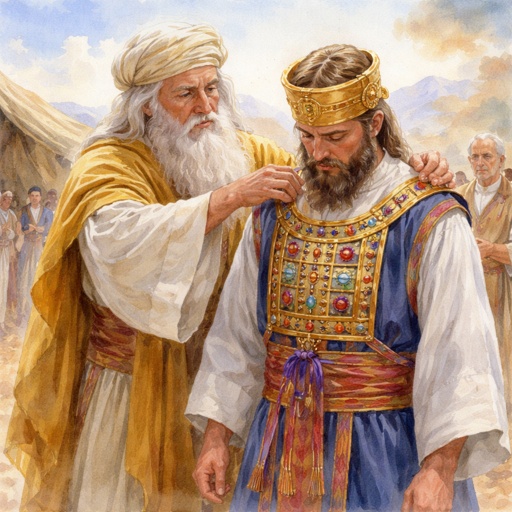
Putting Aaron’s priestly garment on Eleazar in Numbers 20

Numbers 20:9 - "And Moses took the rod from before the LORD, as he commanded him."

Numbers 35:20 - "But if he thrust him of hatred, or hurl at him by laying of wait, that he die;"

Numbers 20:13 - "This is the water of Meribah; because the children of Israel strove with the LORD, and he was sanctified in them."

Numbers 3:20 - "And the sons of Merari by their families; Mahli, and Mushi. These are the families of the Levites according to the house of their fathers."

Numbers 20:27 - "And Moses did as the LORD commanded: and they went up into mount Hor in the sight of all the congregation."

Numbers 21:20 - "And from Bamoth in the valley, that is in the country of Moab, to the top of Pisgah, which looketh toward Jeshimon."

Numbers 20:25 - "Take Aaron and Eleazar his son, and bring them up unto mount Hor:"

Numbers 20:23 - "And the LORD spake unto Moses and Aaron in mount Hor, by the coast of the land of Edom, saying,"

Numbers 2:20 - "And by him shall be the tribe of Manasseh: and the captain of the children of Manasseh shall be Gamaliel the son of Pedahzur."

Numbers 23:20 - "Behold, I have received commandment to bless: and he hath blessed; and I cannot reverse it."
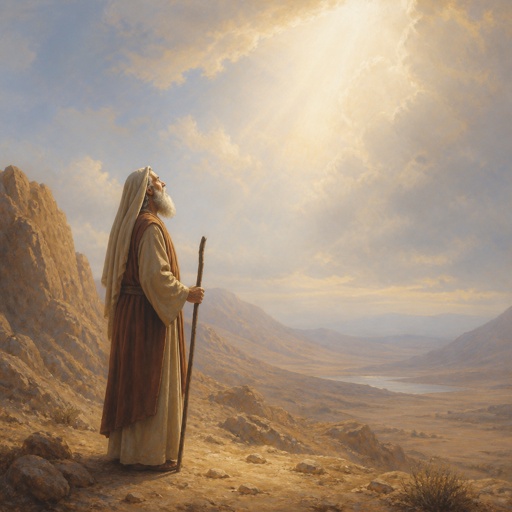
"¶ And the LORD spake unto Moses, saying," - Numbers 20:7
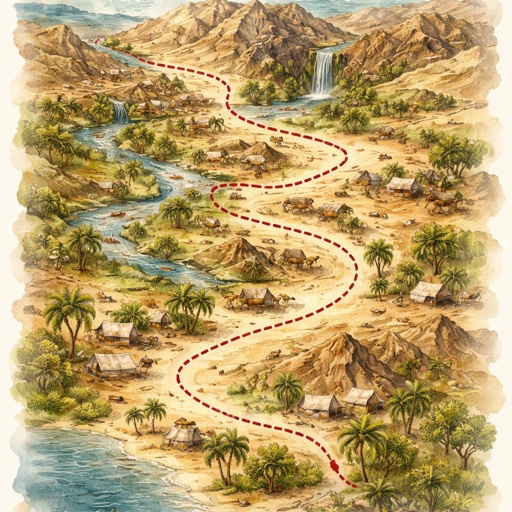
Draw me a travel map for Numbers 21:10-20

Numbers 20:22 - "¶ And the children of Israel, even the whole congregation, journeyed from Kadesh, and came unto mount Hor."

Numbers 29:20 - "¶ And on the third day eleven bullocks, two rams, fourteen lambs of the first year without blemish;"

Numbers 32:20 - "¶ And Moses said unto them, If ye will do this thing, if ye will go armed before the LORD to war,"

Numbers 20:4 - "And why have ye brought up the congregation of the LORD into this wilderness, that we and our cattle should die there?"