What does Numbers 20:12 mean?
“And the LORD spake unto Moses and Aaron, Because ye believed me not, to sanctify me in the eyes of the children of Israel, therefore ye shall not bring this congregation into the land which I have given them.” — Numbers 20:12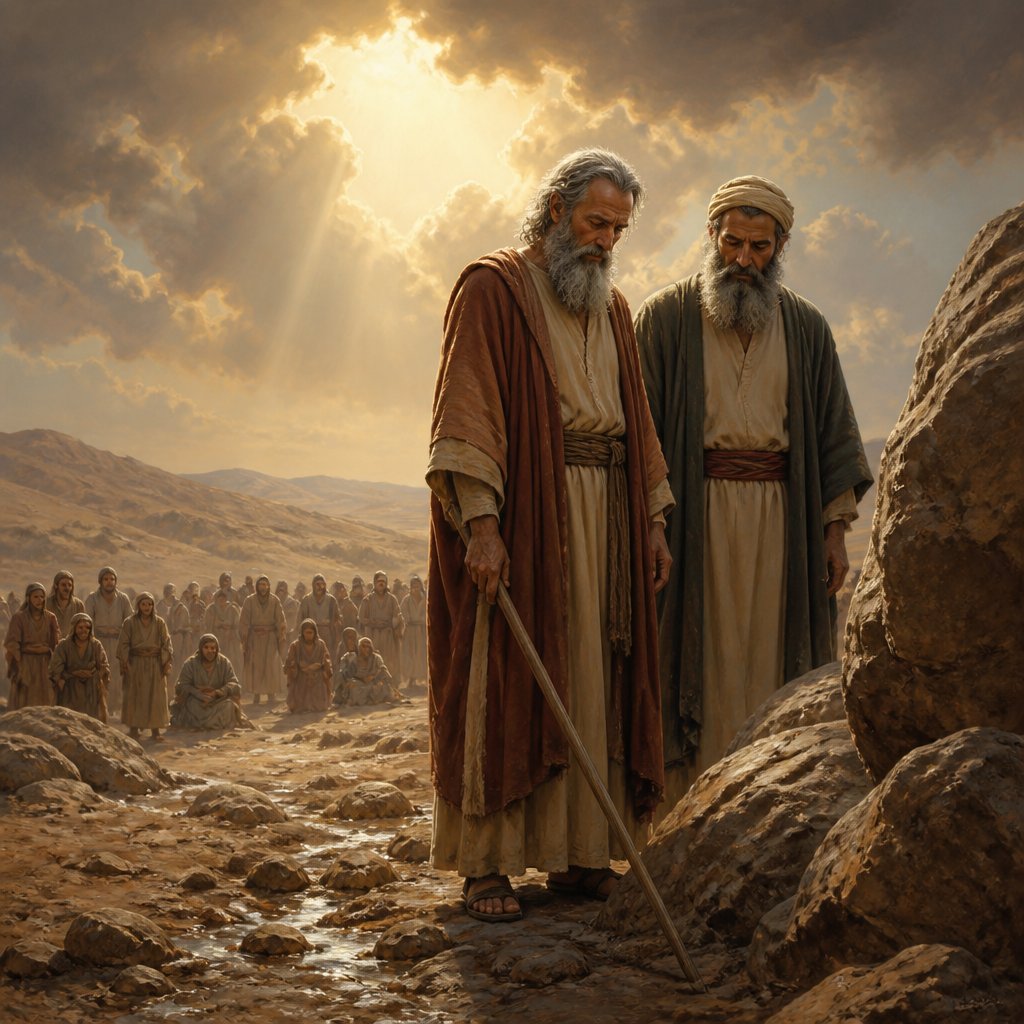
The verse Numbers 20:12 from the King James Version of the Bible reads: "And the Lord spake unto Moses and Aaron, Because ye believed me not, to sanctify me in the eyes of the children of Israel, therefore ye shall not bring this congregation into the land which I have given them."
This verse comes from the book of Numbers, which is the fourth book of the Bible and is traditionally ascribed to Moses as its author. It is a part of the Torah, the first five books of the Hebrew Bible, which form the foundation of Jewish law and tradition. The book of Numbers recounts the experiences of the Israelites as they wander in the desert after being freed from slavery in Egypt and their journey towards the Promised Land of Canaan.
In this verse, the Lord is speaking to Moses and Aaron, the leaders of the Israelites. The context of this verse is important for understanding its meaning. Earlier in this chapter, the Israelites complain to Moses and Aaron about the lack of water, and Moses and Aaron seek guidance from the Lord. The Lord instructs Moses to speak to a rock, and water will come out for the people to drink. However, instead of speaking to the rock, Moses strikes it with his staff in frustration, which is seen as an act of disobedience to the Lord's command.
The verse serves as a rebuke from the Lord to Moses and Aaron for their lack of faith and obedience. It highlights the seriousness of disobeying the Lord's commands and the consequences that come with it. In this case, the consequence is that Moses and Aaron will not be allowed to lead the Israelites into the Promised Land. This is a significant punishment, as it means they will not be able to experience the fulfillment of God's promise and the culmination of their journey.
One of the central themes of this verse is faith and obedience. It emphasizes the importance of trusting in the Lord and following his instructions. This is a recurring theme throughout the Bible, as it reflects the relationship between God and his people. The consequences of disobedience also serve as a reminder of the severity of sin and the need for repentance.
Another important aspect of this verse is the idea of sanctifying the Lord. The Lord tells Moses and Aaron that they did not believe him "to sanctify me in the eyes of the children of Israel." This speaks to the concept of sanctification, which is the process of being set apart and made holy. By disobeying the Lord's command, Moses and Aaron failed to uphold the holiness and authority of the Lord in the eyes of the people. This highlights the responsibility of leaders to represent the Lord faithfully and to uphold his honor and glory.
The symbolism in this verse is also significant. The rock that Moses struck can be seen as a symbol of Christ, who is often referred to as the "rock" in the Bible. In the New Testament, Paul writes that the rock was Christ (1 Corinthians 10:4), and in the book of Isaiah, God is described as the "rock of ages" (Isaiah 26:4). By striking the rock, Moses may have been seen as symbolically striking Christ, which would be a sign of unfaithfulness and disrespect towards God.
In conclusion, Numbers 20:12 is a powerful verse that conveys important messages about faith, obedience, and sanctification. It serves as a reminder of the consequences of disobedience and the need to trust in the Lord's guidance. The verse also highlights the significance of upholding the holiness and authority of God and the responsibility of leaders to faithfully represent him. Overall, this verse provides timeless lessons that are relevant for believers in every generation.
Get our apps


Artwork for Numbers 20:12

Numbers 20:12 - "¶ And the LORD spake unto Moses and Aaron, Because ye believed me not, to sanctify me in the eyes of the children of Israel, therefore ye shall not bring this congregation into the land which I have given them."
"¶ And the LORD spake unto Moses and Aaron, Because ye believed me not, to sanctify me in the eyes of the children of Israel, therefore ye shall not bring this congregation into the land which I have given them." - Numbers 20:12

Numbers 12 15

Numbers 20:20 - "And he said, Thou shalt not go through. And Edom came out against him with much people, and with a strong hand."

Numbers 20:7 - "¶ And the LORD spake unto Moses, saying,"

Numbers 34:20 - "And of the tribe of the children of Simeon, Shemuel the son of Ammihud."

Numbers 33:20 - "And they departed from Rimmon-parez, and pitched in Libnah."

In Numbers 12, Miriam and Aaron

Numbers 16:20 - "And the LORD spake unto Moses and unto Aaron, saying,"

Numbers 7:20 - "One spoon of gold of ten shekels, full of incense:"

Numbers 1:12 - "Of Dan; Ahiezer the son of Ammishaddai."

Genesis 20-12

Numbers 14:20 - "And the LORD said, I have pardoned according to thy word:"

Numbers 10:20 - "And over the host of the tribe of the children of Gad was Eliasaph the son of Deuel."

Numbers 4:20 - "But they shall not go in to see when the holy things are covered, lest they die."

Numbers 20:2 - "And there was no water for the congregation: and they gathered themselves together against Moses and against Aaron."

Numbers 13:12 - "Of the tribe of Dan, Ammiel the son of Gemalli."
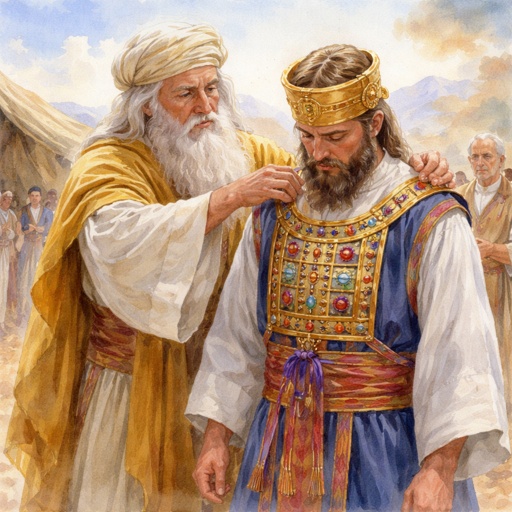
Putting Aaron’s priestly garment on Eleazar in Numbers 20

Numbers 20:9 - "And Moses took the rod from before the LORD, as he commanded him."

Numbers 35:20 - "But if he thrust him of hatred, or hurl at him by laying of wait, that he die;"

Numbers 20:13 - "This is the water of Meribah; because the children of Israel strove with the LORD, and he was sanctified in them."

Numbers 12:12 - "Let her not be as one dead, of whom the flesh is half consumed when he cometh out of his mother's womb."
"¶ Honour thy father and thy mother: that thy days may be long upon the land which the LORD thy God giveth thee." - Exodus 20:12

Numbers 21:12 - "¶ From thence they removed, and pitched in the valley of Zared."

Numbers 3:20 - "And the sons of Merari by their families; Mahli, and Mushi. These are the families of the Levites according to the house of their fathers."

Numbers 20:27 - "And Moses did as the LORD commanded: and they went up into mount Hor in the sight of all the congregation."

Numbers 21:20 - "And from Bamoth in the valley, that is in the country of Moab, to the top of Pisgah, which looketh toward Jeshimon."

Numbers 20:25 - "Take Aaron and Eleazar his son, and bring them up unto mount Hor:"

acts 20:7-12

Numbers 12:9 - "And the anger of the LORD was kindled against them; and he departed."