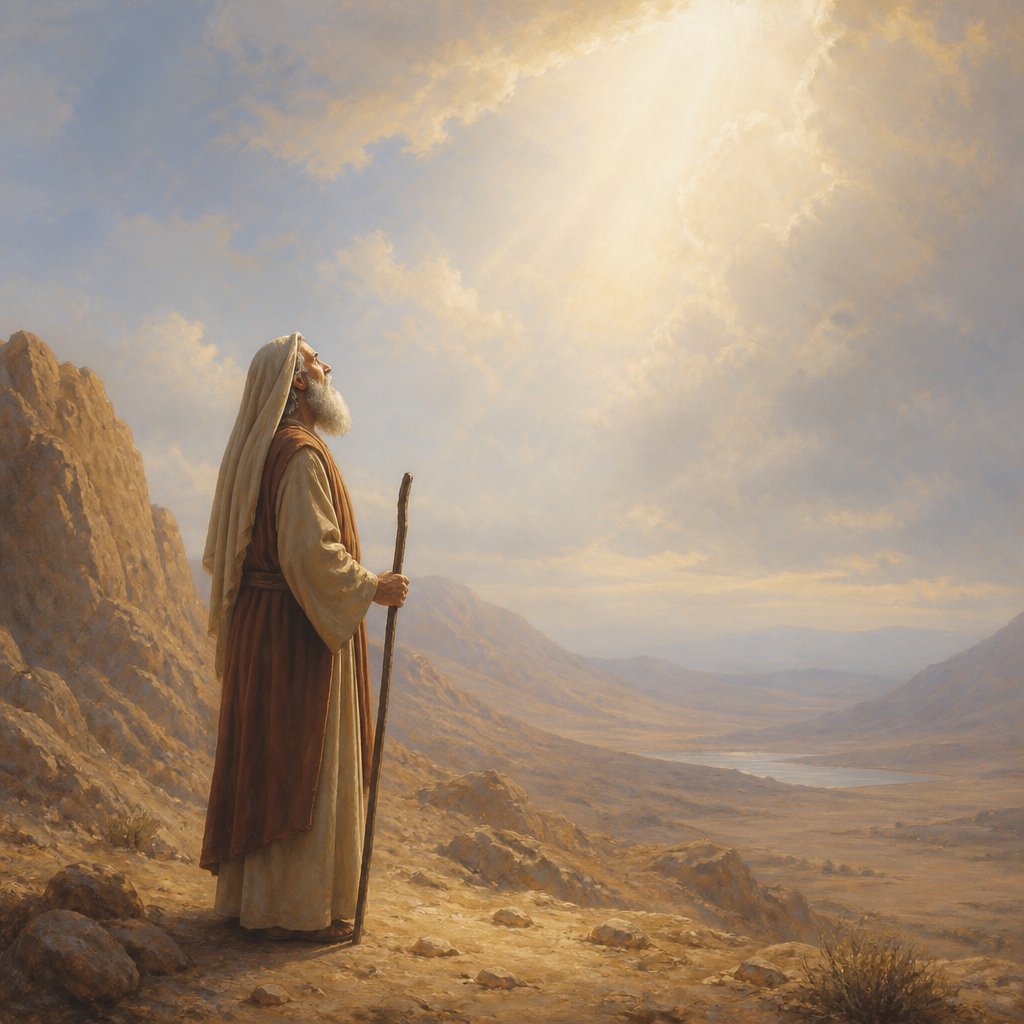
The Bible verse Numbers 20:7 from the King James Version (KJV) reads, "And the Lord spake unto Moses, saying,"
This verse is a simple declaration of divine communication with Moses. However, when placed within its broader context, it takes on deeper meaning and significance. In Numbers 20, we find the Israelites in the wilderness, facing a scarcity of water. They begin to complain and grumble, and Moses and Aaron, under the Lord's instruction, gather the people together at the entrance of the tabernacle. The Lord then appears to them in all His glory and instructs Moses to speak to a rock in order to bring forth water for the people and their livestock.
The context of this verse is crucial to understanding its significance. The Israelites had been wandering in the wilderness for years, and their journey had not been without its challenges. They had experienced hunger, thirst, and other hardships, and their faith had been tested repeatedly. In this instance, the people were once again lacking a basic necessity: water. Their immediate response was to grumble and complain, demonstrating a lack of trust in God's provision and care for them.
In the broader context of Moses' leadership, this verse serves as a reminder of his unique relationship with God. Throughout the Israelites' journey, Moses was the primary intermediary between God and the people. He received direct instructions and guidance from the Lord and communicated them to the people. In this particular situation, the Lord spoke to Moses and instructed him on how to address the lack of water.
The theme of faith and obedience is central to the interpretation of this verse. The Lord's command was clear: He told Moses to speak to the rock, and water would flow from it. However, as the narrative unfolds, we see that Moses becomes frustrated with the people's complaints and strikes the rock twice with his staff instead of speaking to it as God had instructed. Despite his frustration, Moses' disobedience had serious consequences. As a result of his actions, neither he nor Aaron were permitted to enter the promised land.
This verse also highlights the nature of God as a God who communicates with His people. The fact that the Lord spoke to Moses indicates His desire to be in relationship with humanity. He does not leave His people to navigate their challenges and difficulties alone; rather, He provides guidance and direction through His communication. Through this verse, we can see the importance of actively listening for and heeding God's voice in our own lives.
Symbolically, the act of speaking throughout the Bible represents authority and power. In this context, the command for Moses to speak to the rock carries significant symbolic weight. It emphasizes the power of God's word and the authority He has given to His chosen leaders. Additionally, the imagery of the rock itself is significant. In the New Testament, Jesus is often referred to as the "rock," and the act of water flowing from the rock can be seen as a foreshadowing of the spiritual sustenance and life that comes from Christ.
In conclusion, Numbers 20:7 from the KJV holds deep meaning and significance within the broader narrative of the Israelites' journey through the wilderness. It speaks to the themes of faith, obedience, communication with God, and the symbolic power of His word. As a brief declaration of the Lord speaking to Moses, it serves as a reminder of God's presence and involvement in the lives of His people. It also challenges us to consider our own responses to God's guidance and the importance of faith and obedience in our relationship with Him.
Get our apps


Artwork for Numbers 20:7

Numbers 20:7 - "¶ And the LORD spake unto Moses, saying,"
"¶ And the LORD spake unto Moses, saying," - Numbers 20:7

Numbers 7:20 - "One spoon of gold of ten shekels, full of incense:"

"One spoon of gold of ten shekels, full of incense:" - Numbers 7:20
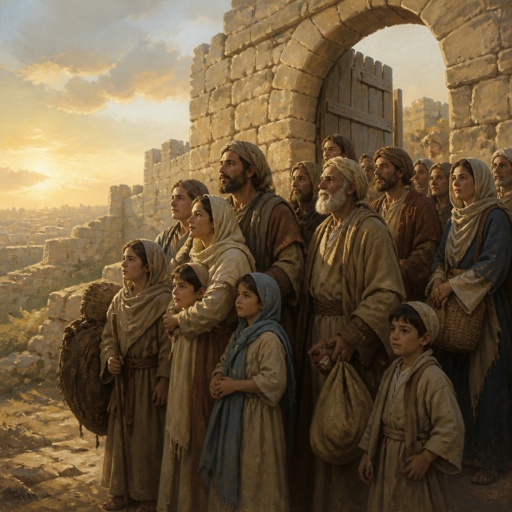
"The children of Adin, six hundred fifty and five." - Nehemiah 7:20

Numbers 20:20 - "And he said, Thou shalt not go through. And Edom came out against him with much people, and with a strong hand."

Numbers 34:20 - "And of the tribe of the children of Simeon, Shemuel the son of Ammihud."

Numbers 33:20 - "And they departed from Rimmon-parez, and pitched in Libnah."

Numbers 29:7

Numbers 4:7

Numbers 16:20 - "And the LORD spake unto Moses and unto Aaron, saying,"

Numbers 14:20 - "And the LORD said, I have pardoned according to thy word:"

Numbers 10:20 - "And over the host of the tribe of the children of Gad was Eliasaph the son of Deuel."

Numbers 4:20 - "But they shall not go in to see when the holy things are covered, lest they die."

Numbers 20:2 - "And there was no water for the congregation: and they gathered themselves together against Moses and against Aaron."

Numbers 7:1-9

Numbers 7:7 - "Two wagons and four oxen he gave unto the sons of Gershon, according to their service:"

Numbers 4:7-8
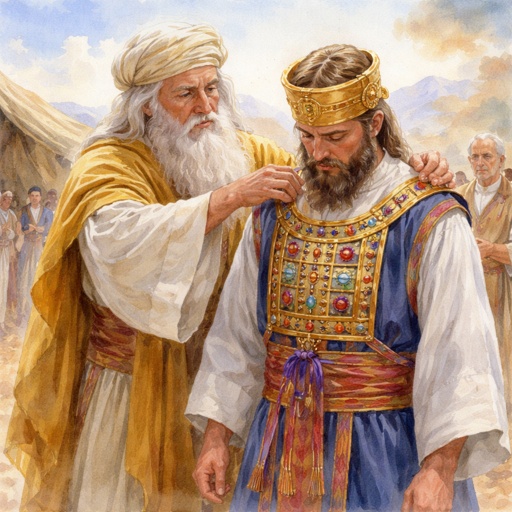
Putting Aaron’s priestly garment on Eleazar in Numbers 20

Numbers 1:7 - "Of Judah; Nahshon the son of Amminadab."

Numbers 20:9 - "And Moses took the rod from before the LORD, as he commanded him."

Numbers 35:20 - "But if he thrust him of hatred, or hurl at him by laying of wait, that he die;"

Numbers 20:13 - "This is the water of Meribah; because the children of Israel strove with the LORD, and he was sanctified in them."

Revelation 20:7

Revelation 20:7

Revelation 20:7

Psalm 20 :7

Genesis 20-7

Psalm 20:7

Revelation 20:7