What does Numbers 21:9 mean?
"And Moses made a serpent of brass, and put it upon a pole, and it came to pass, that if a serpent had bitten any man, when he beheld the serpent of brass, he lived." - Numbers 21:9
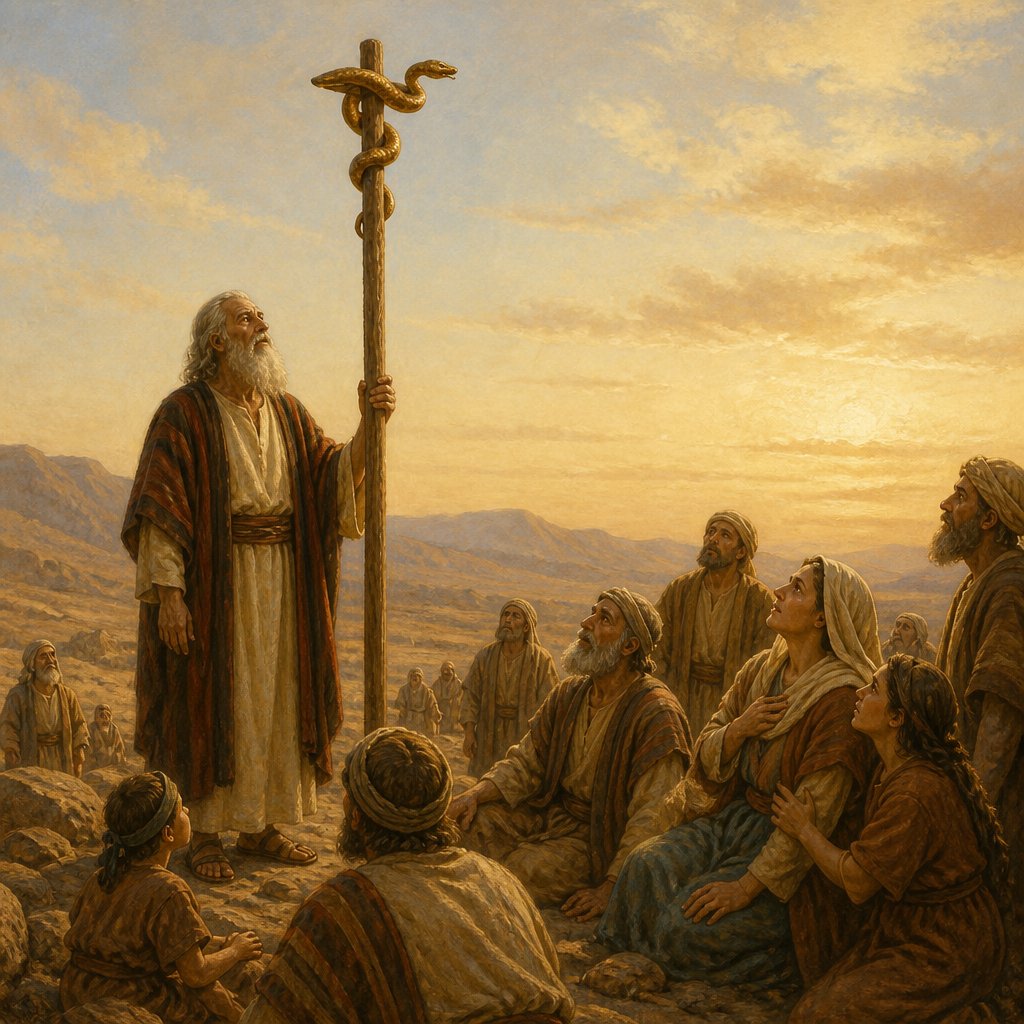
Numbers 21:9 in the King James Version of the Bible reads: "And Moses made a serpent of brass, and put it upon a pole, and it came to pass, that if a serpent had bitten any man, when he beheld the serpent of brass, he lived."
This verse comes from the Book of Numbers, which is the fourth book of the Hebrew Bible and the Old Testament. The Book of Numbers takes its name from the censuses of the Israelites found in chapters 1 and 26, and it continues the story of the Israelites' journey from Mount Sinai to the plains of Moab on the border of Canaan. This particular passage occurs during their time in the wilderness.
The verse describes an event when the Israelites, weary in the wilderness, had become impatient and began to speak against God and Moses. As a punishment, God sent venomous snakes among the people, and they bit the Israelites, causing many of them to die. In response to their suffering, Moses prayed to God on behalf of the people, and God instructed Moses to make a bronze serpent and set it on a pole. Anyone who was bitten by a snake and then looked at the bronze serpent would live.
The symbolic meaning and commentary on this verse are both profound and multi-layered. On the surface, it illustrates God's mercy and provision for His people, even in the midst of their disobedience. However, this narrative also serves as a foreshadowing of Jesus Christ and His crucifixion.
The symbolism in this passage is significant. The bronze serpent lifted up on the pole is a type or prefiguring of Christ lifted up on the cross, as Jesus Himself references in the New Testament. In John 3:14-15, Jesus says, "And as Moses lifted up the serpent in the wilderness, even so must the Son of Man be lifted up, that whoever believes in Him should not perish but have eternal life." This connection between the bronze serpent and Jesus is a powerful representation of salvation and healing through faith.
The serpent itself is a symbol often associated with sin and the devil in the Bible, stemming from the serpent's role in the Garden of Eden. Yet in this passage, the bronze serpent represents the means of deliverance and healing from the deadly snakebites. It serves as a reminder that God has the power to turn curses into blessings and to provide a way of escape from the consequences of sin.
Furthermore, the act of looking to the bronze serpent for healing serves as a foreshadowing of the act of faith required to receive salvation through Jesus Christ. Just as the Israelites had to look upon the bronze serpent in faith to be healed, so too must individuals look to Jesus in faith for spiritual healing and eternal life.
The overarching theme of this passage is that of God's grace and salvation. Despite the Israelites' sinful grumblings and disobedience, God mercifully provided a way for them to be saved from the deadly consequences of their actions. In a similar manner, God offers salvation to all people through the death and resurrection of Jesus Christ, His Son. This narrative serves as a powerful reminder of God's enduring love and His desire to reconcile humanity to Himself.
In conclusion, Numbers 21:9 is a rich and profound passage with layers of meaning and symbolism. It not only provides historical context for the Israelites’ journey in the wilderness but also points forward to the ultimate act of salvation through Jesus Christ. The bronze serpent on the pole becomes a powerful symbol of God's provision, grace, and the means of spiritual healing and redemption for all who believe. It is a powerful testament to the unchanging nature of God and His redemptive plan for humanity.
Have questions about Numbers 21:9?
Dive deeper into this scripture with Bible Chat — an AI-powered tool for exploring God's Word through conversation. Ask questions, get context, and grow in your understanding of the Bible.
Get Our Apps


Numbers 21:9 Artwork

Numbers 21:9 - "And Moses made a serpent of brass, and put it upon a pole, and it came to pass, that if a serpent had bitten any man, when he beheld the serpent of brass, he lived."
"And Moses made a serpent of brass, and put it upon a pole, and it came to pass, that if a serpent had bitten any man, when he beheld the serpent of brass, he lived." - Numbers 21:9
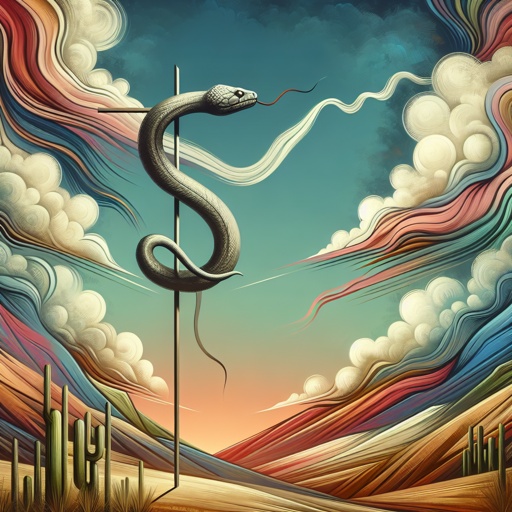
numbers 21:8-9 & John 3:14

Numbers 9:21 - "And so it was, when the cloud abode from even unto the morning, and that the cloud was taken up in the morning, then they journeyed: whether it was by day or by night that the cloud was taken up, they journeyed."

Picture representing Numbers 21:21-35

Numbers 21:21 - "¶ And Israel sent messengers unto Sihon king of the Amorites, saying,"

Moses serpent numbers 21

Numbers 9:9 - "¶ And the LORD spake unto Moses, saying,"

Numbers 4:21 - "¶ And the LORD spake unto Moses, saying,"
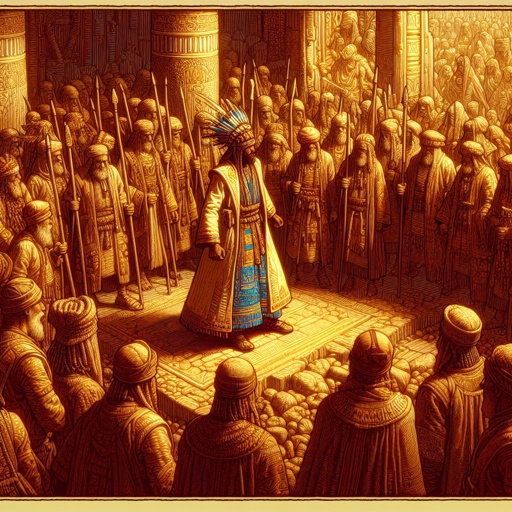
Numbers 34:21 - "Of the tribe of Benjamin, Elidad the son of Chislon."

Numbers 21:31 - "¶ Thus Israel dwelt in the land of the Amorites."

Numbers 33:21 - "And they removed from Libnah, and pitched at Rissah."

Picture of Numbers 21:1-3

Moses fiery serpent numbers 21

Numbers 21:10 - "¶ And the children of Israel set forward, and pitched in Oboth."

Numbers 21:19 - "And from Mattanah to Nahaliel: and from Nahaliel to Bamoth:"

Numbers 21:12 - "¶ From thence they removed, and pitched in the valley of Zared."

Matthew 9:21

Numbers 3:21 - "Of Gershon was the family of the Libnites, and the family of the Shimites: these are the families of the Gershonites."

Matthew 9:21-22

Matthew 9:21-22

Matthew 9:21-22

Matthew 9:21-22

Matthew 9:21-22

Numbers 7:1-9

"¶ And Israel sent messengers unto Sihon king of the Amorites, saying," - Numbers 21:21

rev 9:21

john 21:9

Genesis 21:9

Numbers 2:21 - "And his host, and those that were numbered of them, were thirty and two thousand and two hundred."