What does Numbers 26:25 mean?
“These are the families of Issachar according to those that were numbered of them, threescore and four thousand and three hundred.” — Numbers 26:25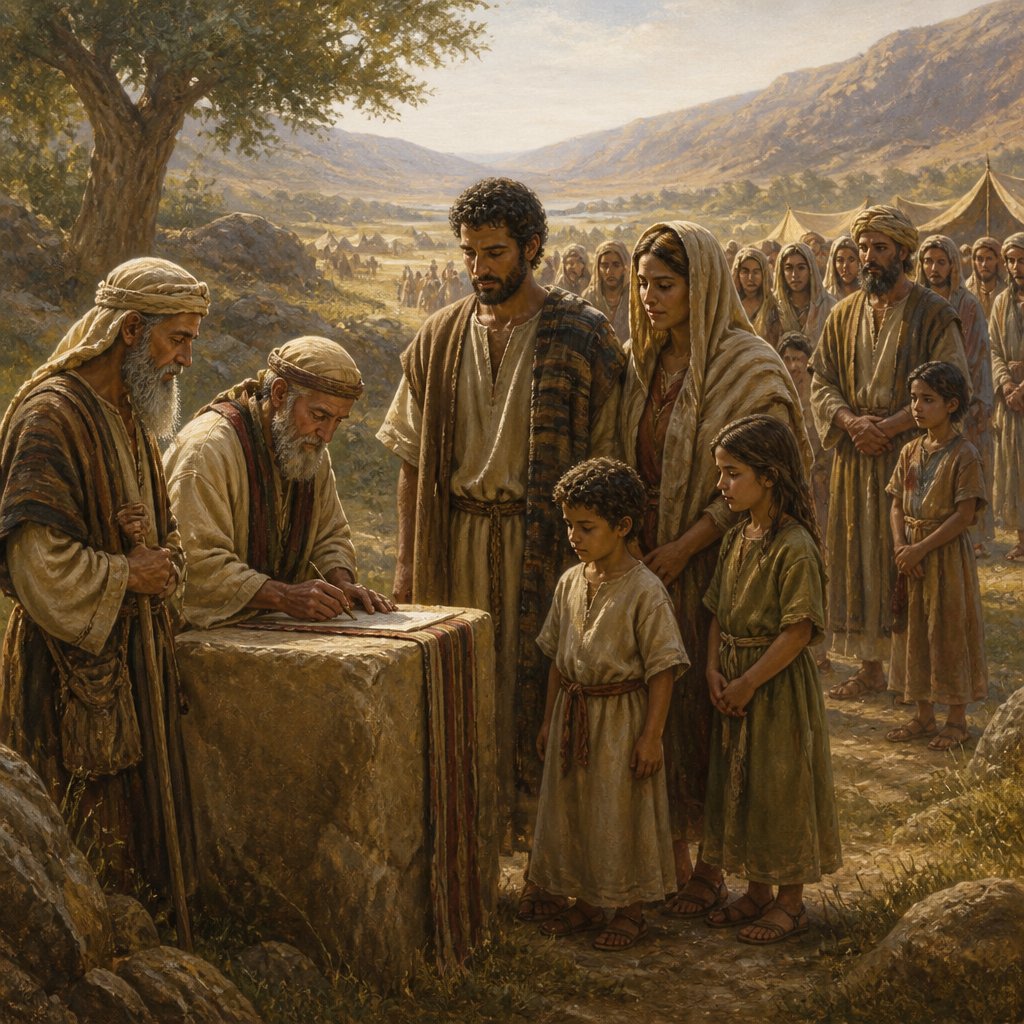
Numbers 26:25 in the King James Version of the Bible reads, "These are the families of Issachar according to those that were numbered of them, threescore and four thousand and three hundred."
The book of Numbers is the fourth book of the Bible and is primarily concerned with the Israelites journey from Mount Sinai to the border of the Promised Land. It is named after the census of the Israelites in the beginning of the book, and the importance of numbering and counting the people is a recurring theme. This verse specifically mentions the families of Issachar and the number of people in this tribe.
The tribe of Issachar was one of the twelve tribes of Israel, with its territory located in the northern part of Canaan. The name Issachar means "there is recompense" or "he will bring a reward," which may hint at the blessings or the future prosperity of the tribe.
In the context of the larger narrative of the book of Numbers, this verse is part of a census that was taken of the Israelites while they were encamped in the plains of Moab, across the Jordan from Jericho. The purpose of the census was to organize the people for the division of the Promised Land among the tribes. Each tribe was required to supply a certain number of men for the military, and the size of the tribe would determine its portion of the land.
The specific number given in this verse, "threescore and four thousand and three hundred," refers to the number of men in the tribe of Issachar who were able to go to war. This reveals the strength and military capability of the tribe and would have had implications for their role in the conquest and possession of the Promised Land.
From a symbolic and spiritual perspective, the number given in this verse could also hold deeper meaning. The number 64 is a multiple of 8, which is often associated with new beginnings and regeneration in the Bible. It is also a number that signifies strength and stability. The number 300 is also significant in that it is associated with the fullness of the Trinity, as there are three persons in the Godhead (Father, Son, and Holy Spirit).
In terms of themes, this verse speaks to the organization and structure of the Israelite community. The tribe of Issachar, like the other tribes, had a specific role and responsibility within the larger community. This speaks to the importance of order, unity, and cooperation among God's people.
Furthermore, the act of taking a census and numbering the people reflects the careful planning and attention to detail that God expects from His people. It shows that God values each individual and desires for them to be counted and recognized as part of His covenant community.
In conclusion, Numbers 26:25 provides a snapshot of the tribe of Issachar and their place within the larger community of Israel. It emphasizes the importance of organization and unity, as well as the unique strengths and contributions of each tribe. From a spiritual perspective, the numbers given in this verse could also hold deeper symbolic meanings that speak to the strength and divine purpose of the tribe.
Get our apps


Artwork for Numbers 26:25

Numbers 26:25 - "These are the families of Issachar according to those that were numbered of them, threescore and four thousand and three hundred."
"These are the families of Issachar according to those that were numbered of them, threescore and four thousand and three hundred." - Numbers 26:25

"The nineteenth to Mallothi, he, his sons, and his brethren, were twelve:" - 1 Chronicles 25:26

Genesis 26:25

Genesis 25-26

Matthew 26:25

numbers 25:8

numbers 25:8

Numbers 11:16-26

Numbers 26:8 - "And the sons of Pallu; Eliab."

Luke 12:25-26

Luke 12:25-26

Luke 12:25-26

Psalm 73:25-26

Luke 12:25-26

Psalm 73:25-26
Luke 12:25-26

Luke 12:25-26

Luke 12:25-26

Numbers 26:26 - "¶ Of the sons of Zebulun after their families: of Sered, the family of the Sardites: of Elon, the family of the Elonites: of Jahleel, the family of the Jahleelites."

Numbers 26:46 - "And the name of the daughter of Asher was Sarah."

Numbers 25:17 - "Vex the Midianites, and smite them:"

Numbers 26:11 - "Notwithstanding the children of Korah died not."

Numbers 33:26 - "And they removed from Makheloth, and encamped at Tahath."

Numbers 31:25 - "¶ And the LORD spake unto Moses, saying,"

Israelites taking census in Numbers 26

Numbers 26:52 - "¶ And the LORD spake unto Moses, saying,"

Numbers 26:36 - "And these are the sons of Shuthelah: of Eran, the family of the Eranites."

Numbers 25:16 - "¶ And the LORD spake unto Moses, saying,"

Numbers 33:25 - "And they removed from Haradah, and pitched in Makheloth."