What does Numbers 35:11 mean?
“Then ye shall appoint you cities to be cities of refuge for you; that the slayer may flee thither, which killeth any person at unawares.” — Numbers 35:11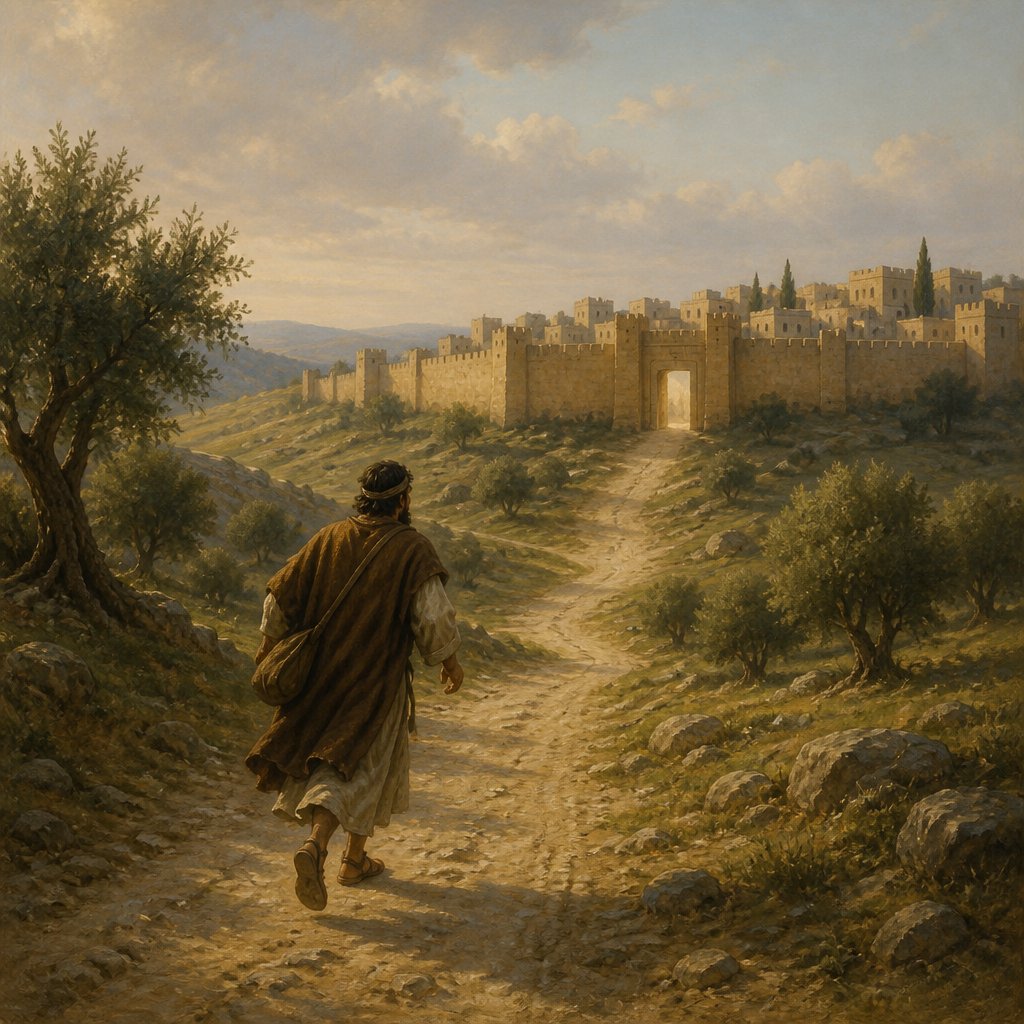
The verse Numbers 35:11 in the King James Version of the Bible states, "Then ye shall appoint you cities to be cities of refuge for you; that the slayer may flee thither, which killeth any person at unawares." This verse is part of a larger passage that outlines the laws regarding cities of refuge for individuals who unintentionally cause harm to others.
The context of this verse can be found in the book of Numbers, which is the fourth book of the Old Testament. The book of Numbers primarily deals with the Israelites' journey from Mount Sinai to the edge of the Promised Land. This particular passage comes from a section of the book that details the specific responsibilities and privileges of the Levites, who were a subset of the Israelite tribe chosen to be responsible for the tabernacle and its contents.
In this verse, God is instructing the Israelites to set aside specific cities as places of refuge for individuals who have unintentionally caused the death of another person. These cities were to be a place of sanctuary and protection for those who were seeking refuge from avenging family members seeking retribution for the death of their loved one.
The theme of justice and mercy is prevalent in this verse. It reveals a compassionate system set up by God to ensure that those who commit unintentional harm are given an opportunity to find safety and protection. This not only demonstrates God's concern for the well-being of all individuals but also emphasizes the importance of offering second chances and forgiveness, even in cases where grave harm has been done.
The concept of cities of refuge also carries symbolic significance. These cities can be seen as a metaphor for God's grace and provision for those who seek Him. Just as the cities provided a safe haven from harm, so too does God offer a place of refuge and protection for those who turn to Him in times of trouble. This highlights the deep care and compassion that God has for His people, and His desire to offer them a place of safety and security in the midst of life's challenges.
Furthermore, the provision of cities of refuge speaks to the overarching principle of justice within the biblical narrative. While the concept of retributive justice – an eye for an eye – is present in the Old Testament, the idea of providing sanctuary for those who have caused accidental harm reflects a more restorative form of justice. This aligns with the larger biblical theme of redemption and forgiveness, and the belief that individuals can be granted a new beginning.
Overall, Numbers 35:11 in the King James Version of the Bible provides profound insights into the moral and ethical principles outlined in the Old Testament. It serves as a reminder of God's mercy and compassion, as well as His commitment to establishing systems of justice that prioritize forgiveness and redemption. The provision of cities of refuge underscores the importance of extending grace to those who have unintentionally caused harm, and the broader implications of this concept resonate throughout the biblical narrative.
Get our apps


Artwork for Numbers 35:11

Numbers 35:11 - "Then ye shall appoint you cities to be cities of refuge for you; that the slayer may flee thither, which killeth any person at unawares."
"Then ye shall appoint you cities to be cities of refuge for you; that the slayer may flee thither, which killeth any person at unawares." - Numbers 35:11

Numbers 11:35 - "And the people journeyed from Kibroth-hattaavah unto Hazeroth; and abode at Hazeroth."

"And the people journeyed from Kibroth-hattaavah unto Hazeroth; and abode at Hazeroth." - Numbers 11:35

Numbers 32:35 - "And Atroth, Shophan, and Jaazer, and Jogbehah,"

Numbers 35:9 - "¶ And the LORD spake unto Moses, saying,"

Numbers 33:35 - "And they departed from Ebronah, and encamped at Ezion-gaber."

John (11:35) Jesus wept.
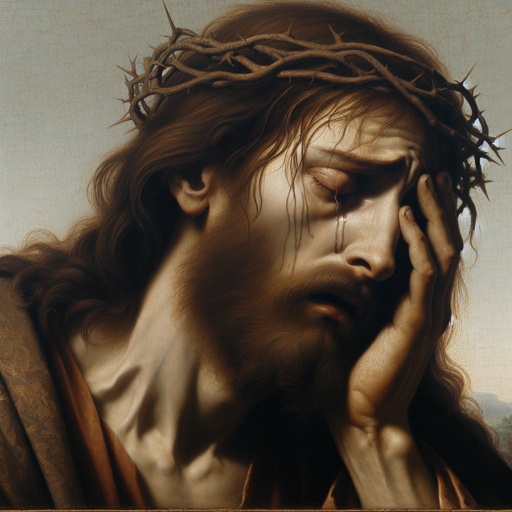
John (11:35) Jesus wept.

John (11:35) Jesus wept.

Numbers 35. City of refuge and blood avenger

Picture representing Numbers 21:21-35

John 11:35

John 11:35

John (11:35) Jesus wept.

John (11:35) Jesus wept.

John (11:35) Jesus wept.

John (11:35) Jesus wept.
John 11:35 - "Jesus wept."

John (11:35) Jesus wept.

John (11:35) Jesus wept.

John (11:35) Jesus wept.

John (11:35) Jesus wept.

John (11:35) Jesus wept.

John (11:35) Jesus wept.
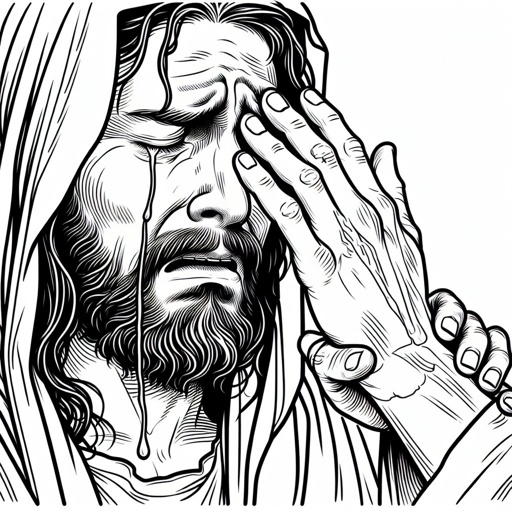
John (11:35) Jesus wept.

Numbers 35:24 - "Then the congregation shall judge between the slayer and the revenger of blood according to these judgments:"

2 Chronicles 35:11

"And Atroth, Shophan, and Jaazer, and Jogbehah," - Numbers 32:35

"And Atroth, Shophan, and Jaazer, and Jogbehah," - Numbers 32:35