What does Numbers 36:3 mean?
“And if they be married to any of the sons of the other tribes of the children of Israel, then shall their inheritance be taken from the inheritance of our fathers, and shall be put to the inheritance of the tribe whereunto they are received: so shall it be taken from the lot of our inheritance.” — Numbers 36:3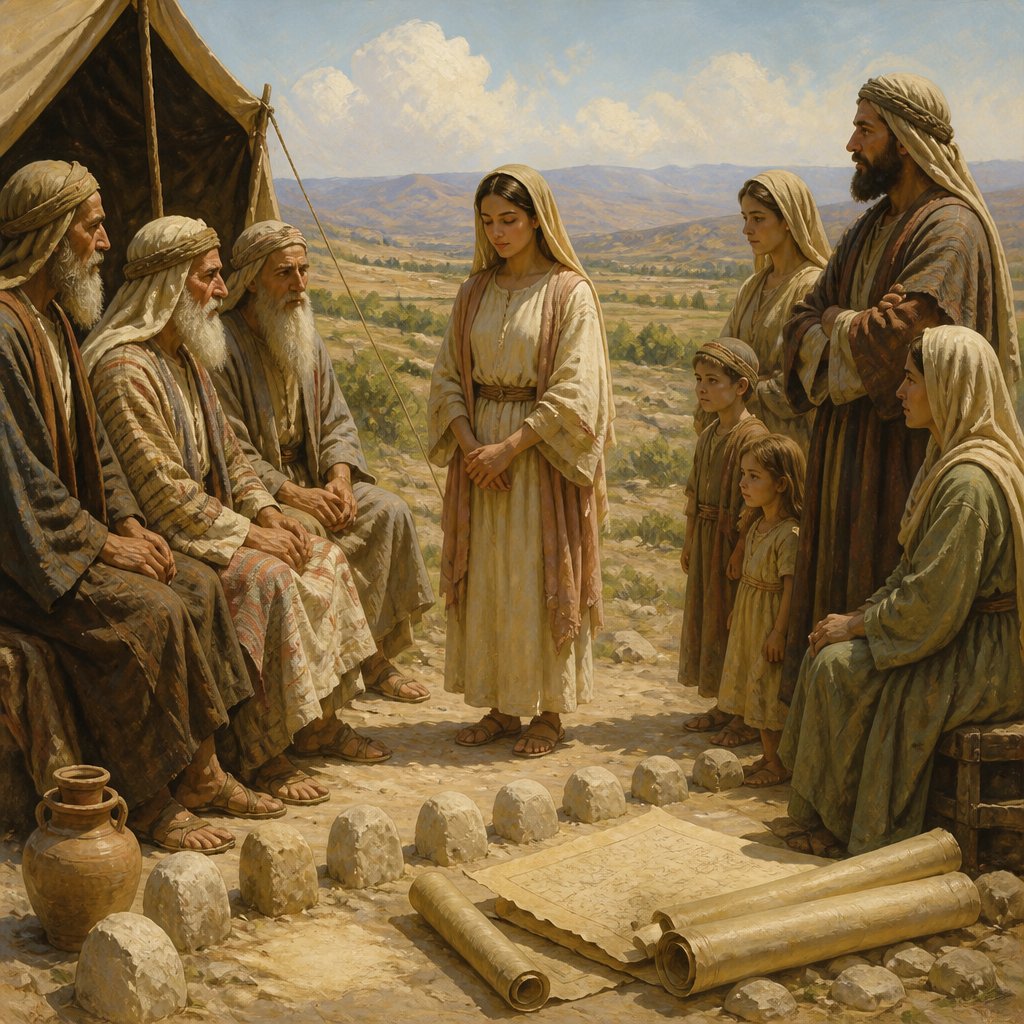
Numbers 36:3 in the King James Version reads, "And if they be married to any of the sons of the other tribes of the children of Israel, then shall their inheritance be taken from the inheritance of our fathers, and shall be put to the inheritance of the tribe whereunto they are received: so shall it be taken from the lot of our inheritance."
This verse comes at the end of the book of Numbers and is part of a discussion about the inheritance of land among the Israelites. The context of this verse is a conversation about the inheritance rights of the daughters of Zelophehad. In the previous chapter, in Numbers 27, we learn that the daughters of Zelophehad approach Moses to ask for the right to inherit their father's land since he had died without leaving any sons. This was a significant request because in the ancient world, land and property were typically inherited by sons, and women were often left without an inheritance. In response to the daughters' request, God tells Moses that they are to receive their father's land as an inheritance, and this verse in Numbers 36:3 is a continuation of that conversation.
The overarching theme of this verse and the surrounding passages is the importance of fairness and justice in the inheritance of land and property. In the culture of ancient Israel, inheritance was a key issue, as land served as the primary source of wealth and security. The daughter's request to inherit their father's land challenges the traditional patriarchal system of inheritance and highlights the need for equitable treatment of women in matters of property ownership.
At the center of this verse is the issue of tribal inheritance. The verse states that if the daughters marry men from other tribes, their inheritance of land will transfer to the tribe of their husbands. This rule was put in place to preserve the integrity of each tribe's ancestral land and prevent it from being scattered among different tribes. While this rule may seem restrictive or unfair, it was an important aspect of maintaining the identity and cohesion of each tribe within the larger community of Israel.
Symbolically, this verse speaks to the tension between individual rights and the collective well-being of the community. On one hand, the daughters of Zelophehad are advocating for their right to inherit their father's land, which aligns with the biblical theme of justice for the marginalized and oppressed. On the other hand, the need to maintain the tribal inheritance reflects a concern for the stability and unity of the community as a whole. This balance between individual rights and communal responsibilities is a recurring theme throughout the Bible and continues to be relevant in contemporary discussions of social justice and community development.
In conclusion, Numbers 36:3 is a verse that addresses the complexities of inheritance and property rights within the context of ancient Israelite society. It reflects the tension between individual rights and communal well-being, as well as the broader themes of justice and fairness. The biblical principles found in this verse continue to have relevance in modern discussions of land rights, social equity, and community cohesion.
Get our apps


Artwork for Numbers 36:3

Numbers 36:3 - "And if they be married to any of the sons of the other tribes of the children of Israel, then shall their inheritance be taken from the inheritance of our fathers, and shall be put to the inheritance of the tribe whereunto they are received: so shall it be taken from the lot of our inheritance."
"And if they be married to any of the sons of the other tribes of the children of Israel, then shall their inheritance be taken from the inheritance of our fathers, and shall be put to the inheritance of the tribe whereunto they are received: so shall it be taken from the lot of our inheritance." - Numbers 36:3

Numbers 3:36 - "And under the custody and charge of the sons of Merari shall be the boards of the tabernacle, and the bars thereof, and the pillars thereof, and the sockets thereof, and all the vessels thereof, and all that serveth thereto,"

Numbers 36 theme

Numbers 16:36 - "¶ And the LORD spake unto Moses, saying,"

Numbers 26:36 - "And these are the sons of Shuthelah: of Eran, the family of the Eranites."

Numbers 36:10 - "Even as the LORD commanded Moses, so did the daughters of Zelophehad:"

Numbers 4:36 - "And those that were numbered of them by their families were two thousand seven hundred and fifty."

Numbers 32:36 - "And Beth-nimrah, and Beth-haran, fenced cities: and folds for sheep."

Numbers 33:36 - "And they removed from Ezion-gaber, and pitched in the wilderness of Zin, which is Kadesh."

Numbers 7:36 - "¶ On the fifth day Shelumiel the son of Zurishaddai, prince of the children of Simeon, did offer:"

Numbers 10:36 - "And when it rested, he said, Return, O LORD, unto the many thousands of Israel."

"¶ And the LORD spake unto Moses, saying," - Numbers 16:36

"And these are the sons of Shuthelah: of Eran, the family of the Eranites." - Numbers 26:36

Numbers 36:12 - "And they were married into the families of the sons of Manasseh the son of Joseph, and their inheritance remained in the tribe of the family of their father."

Numbers 36:11 - "For Mahlah, Tirzah, and Hoglah, and Milcah, and Noah, the daughters of Zelophehad, were married unto their father's brothers' sons:"

Numbers 36:5 - "And Moses commanded the children of Israel according to the word of the LORD, saying, The tribe of the sons of Joseph hath said well."

Numbers 31:36 - "And the half, which was the portion of them that went out to war, was in number three hundred thousand and seven and thirty thousand and five hundred sheep:"

Numbers 15:36 - "And all the congregation brought him without the camp, and stoned him with stones, and he died; as the LORD commanded Moses."

Genesis 36:3 - "And Bashemath Ishmael's daughter, sister of Nebajoth."

Psalms 36 verse 3-6

Numbers 36:13 - "These are the commandments and the judgments, which the LORD commanded by the hand of Moses unto the children of Israel in the plains of Moab by Jordan near Jericho."

Lamentations 3:36 - "To subvert a man in his cause, the Lord approveth not."
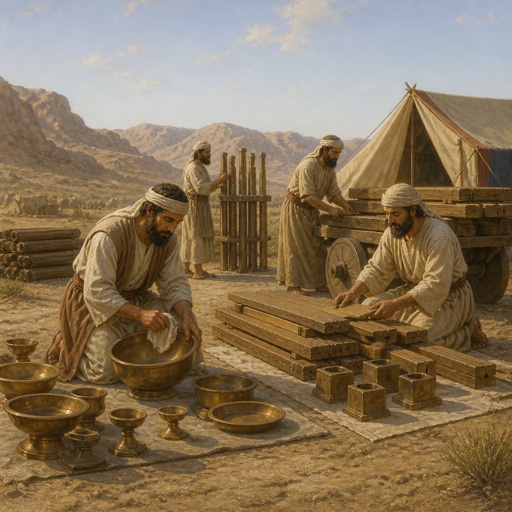
"And under the custody and charge of the sons of Merari shall be the boards of the tabernacle, and the bars thereof, and the pillars thereof, and the sockets thereof, and all the vessels thereof, and all that serveth thereto," - Numbers 3:36

Numbers 1:36 - "¶ Of the children of Benjamin, by their generations, after their families, by the house of their fathers, according to the number of the names, from twenty years old and upward, all that were able to go forth to war;"

"Even as the LORD commanded Moses, so did the daughters of Zelophehad:" - Numbers 36:10

"And Beth-nimrah, and Beth-haran, fenced cities: and folds for sheep." - Numbers 32:36

Numbers 14:36 - "And the men, which Moses sent to search the land, who returned, and made all the congregation to murmur against him, by bringing up a slander upon the land,"

Numbers 22:36 - "¶ And when Balak heard that Balaam was come, he went out to meet him unto a city of Moab, which is in the border of Arnon, which is in the utmost coast."

Job 36:3 - "I will fetch my knowledge from afar, and will ascribe righteousness to my Maker."