What does Numbers 36:7 mean?
“So shall not the inheritance of the children of Israel remove from tribe to tribe: for every one of the children of Israel shall keep himself to the inheritance of the tribe of his fathers.” — Numbers 36:7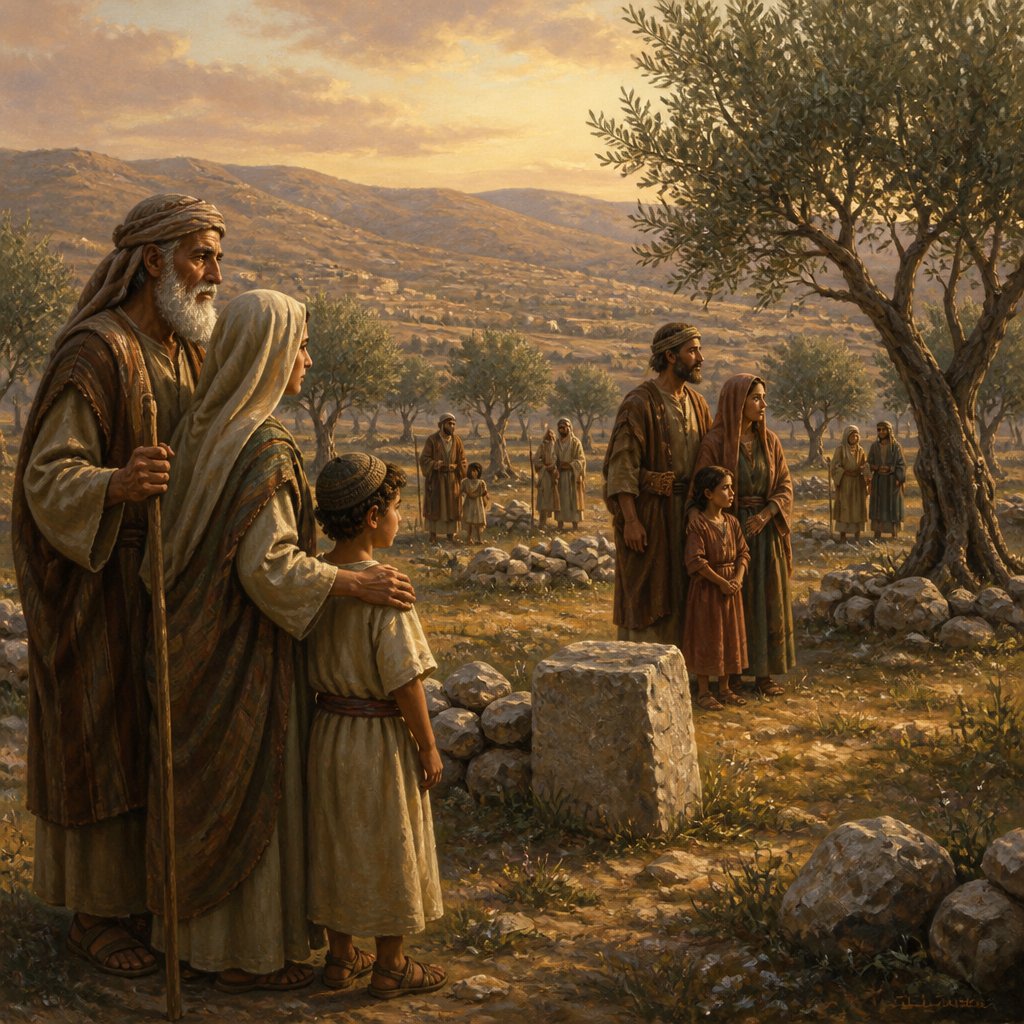
Numbers 36:7 in the King James Version of the Bible states, "So shall not the inheritance of the children of Israel remove from tribe to tribe: for every one of the children of Israel shall keep himself to the inheritance of the tribe of his fathers."
In order to truly understand the meaning and significance of this verse, it is important to first examine the context in which it is found. The book of Numbers is the fourth book of the Pentateuch, also known as the Torah, and it primarily focuses on the Israelites' journey from Mount Sinai to the border of the Promised Land. Throughout the book, there are numerous laws, regulations, and instructions given to the Israelites by God through Moses. These laws were designed to govern every aspect of their lives, from religious practices to social and legal matters.
In Numbers 36, the leaders of the clan of Gilead, from the tribe of Manasseh, come to Moses with a concern regarding the inheritance of land. They explain that if women from their clan marry outside of their tribe, the land that they inherit will eventually be transferred to another tribe when their daughters marry. This raises the issue of land belonging to a specific tribe and the potential for it to be transferred to another tribe through marriage.
The verse in question, 36:7, is part of Moses' response to the leaders of the clan of Gilead. In this verse, God instructs that the inheritance of the children of Israel should not be transferred from tribe to tribe. Each individual is to keep their inheritance within the tribe of their fathers, ensuring that the land remains within the designated tribal boundaries.
This verse touches upon several important themes that are prevalent throughout the Bible. One such theme is the concept of inheritance. In biblical times, inheritance was not only a matter of passing down material possessions, but it also carried significant spiritual and social implications. The land inheritance was a crucial aspect of the Israelites' identity and connection to their heritage, as it tied them to the promises and covenant of God. By ensuring that the land stayed within the designated tribal boundaries, God was preserving the integrity and continuity of each tribe's heritage and identity.
Another theme present in this verse is that of obedience to God's commands. Throughout the book of Numbers, the Israelites are repeatedly reminded of the importance of following God's laws and regulations. In this particular instance, the leaders of the clan of Gilead approached Moses with their concern, seeking guidance and a resolution to their issue. By providing them with clear instructions, God was reinforcing the importance of adhering to His laws, even in matters concerning inheritance and marriage.
Additionally, the verse highlights the significance of family and lineage within the Israelite community. The familial ties and tribal affiliations were deeply ingrained in the social structure of the Israelites, and the inheritance of land was intricately linked to these familial connections. By emphasizing the preservation of tribal inheritance, God was reinforcing the importance of honoring one's familial heritage and maintaining the unity and integrity of the tribal structure.
Symbolically, the concept of land inheritance within the tribes can also be interpreted as representative of the spiritual inheritance that believers receive as children of God. Just as the Israelites were to keep their inheritance within their tribal boundaries, Christians are called to remain steadfast in their faith and to preserve the spiritual inheritance that is promised to them through Christ.
In conclusion, Numbers 36:7 carries significant meaning within its historical and cultural context, addressing themes of inheritance, obedience to God's commands, family and lineage, and spiritual significance. It serves as a reminder of the importance of honoring one's heritage and remaining faithful to God's instructions, both in matters of temporal inheritance and in the preservation of spiritual blessings.
Get our apps


Artwork for Numbers 36:7

Numbers 36:7 - "So shall not the inheritance of the children of Israel remove from tribe to tribe: for every one of the children of Israel shall keep himself to the inheritance of the tribe of his fathers."
"So shall not the inheritance of the children of Israel remove from tribe to tribe: for every one of the children of Israel shall keep himself to the inheritance of the tribe of his fathers." - Numbers 36:7

Numbers 7:36 - "¶ On the fifth day Shelumiel the son of Zurishaddai, prince of the children of Simeon, did offer:"
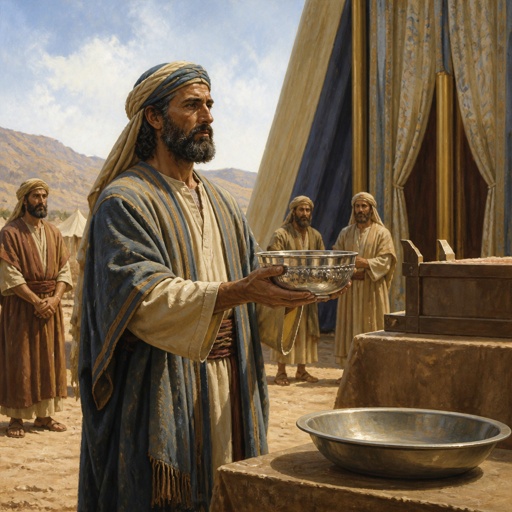
"¶ On the fifth day Shelumiel the son of Zurishaddai, prince of the children of Simeon, did offer:" - Numbers 7:36

Numbers 36 theme

Numbers 16:36 - "¶ And the LORD spake unto Moses, saying,"

Numbers 26:36 - "And these are the sons of Shuthelah: of Eran, the family of the Eranites."

Numbers 36:10 - "Even as the LORD commanded Moses, so did the daughters of Zelophehad:"

Numbers 4:36 - "And those that were numbered of them by their families were two thousand seven hundred and fifty."

Numbers 32:36 - "And Beth-nimrah, and Beth-haran, fenced cities: and folds for sheep."

Numbers 33:36 - "And they removed from Ezion-gaber, and pitched in the wilderness of Zin, which is Kadesh."

Luke 7:36-50

Numbers 10:36 - "And when it rested, he said, Return, O LORD, unto the many thousands of Israel."

Luke 7:36–50

"¶ And the LORD spake unto Moses, saying," - Numbers 16:36

"And these are the sons of Shuthelah: of Eran, the family of the Eranites." - Numbers 26:36

Numbers 36:12 - "And they were married into the families of the sons of Manasseh the son of Joseph, and their inheritance remained in the tribe of the family of their father."

Numbers 36:11 - "For Mahlah, Tirzah, and Hoglah, and Milcah, and Noah, the daughters of Zelophehad, were married unto their father's brothers' sons:"

Numbers 36:5 - "And Moses commanded the children of Israel according to the word of the LORD, saying, The tribe of the sons of Joseph hath said well."

Numbers 31:36 - "And the half, which was the portion of them that went out to war, was in number three hundred thousand and seven and thirty thousand and five hundred sheep:"

Nehemiah 7:36 - "The children of Jericho, three hundred forty and five."

Numbers 15:36 - "And all the congregation brought him without the camp, and stoned him with stones, and he died; as the LORD commanded Moses."

Numbers 36:13 - "These are the commandments and the judgments, which the LORD commanded by the hand of Moses unto the children of Israel in the plains of Moab by Jordan near Jericho."

1 Chronicles 7:36 - "The sons of Zophah; Suah, and Harnepher, and Shual, and Beri, and Imrah,"

Exodus 36:7 - "For the stuff they had was sufficient for all the work to make it, and too much."

Numbers 1:36 - "¶ Of the children of Benjamin, by their generations, after their families, by the house of their fathers, according to the number of the names, from twenty years old and upward, all that were able to go forth to war;"

"Even as the LORD commanded Moses, so did the daughters of Zelophehad:" - Numbers 36:10

"And Beth-nimrah, and Beth-haran, fenced cities: and folds for sheep." - Numbers 32:36

Numbers 14:36 - "And the men, which Moses sent to search the land, who returned, and made all the congregation to murmur against him, by bringing up a slander upon the land,"

Numbers 22:36 - "¶ And when Balak heard that Balaam was come, he went out to meet him unto a city of Moab, which is in the border of Arnon, which is in the utmost coast."