What does Numbers 6:11 mean?
“And the priest shall offer the one for a sin offering, and the other for a burnt offering, and make an atonement for him, for that he sinned by the dead, and shall hallow his head that same day.” — Numbers 6:11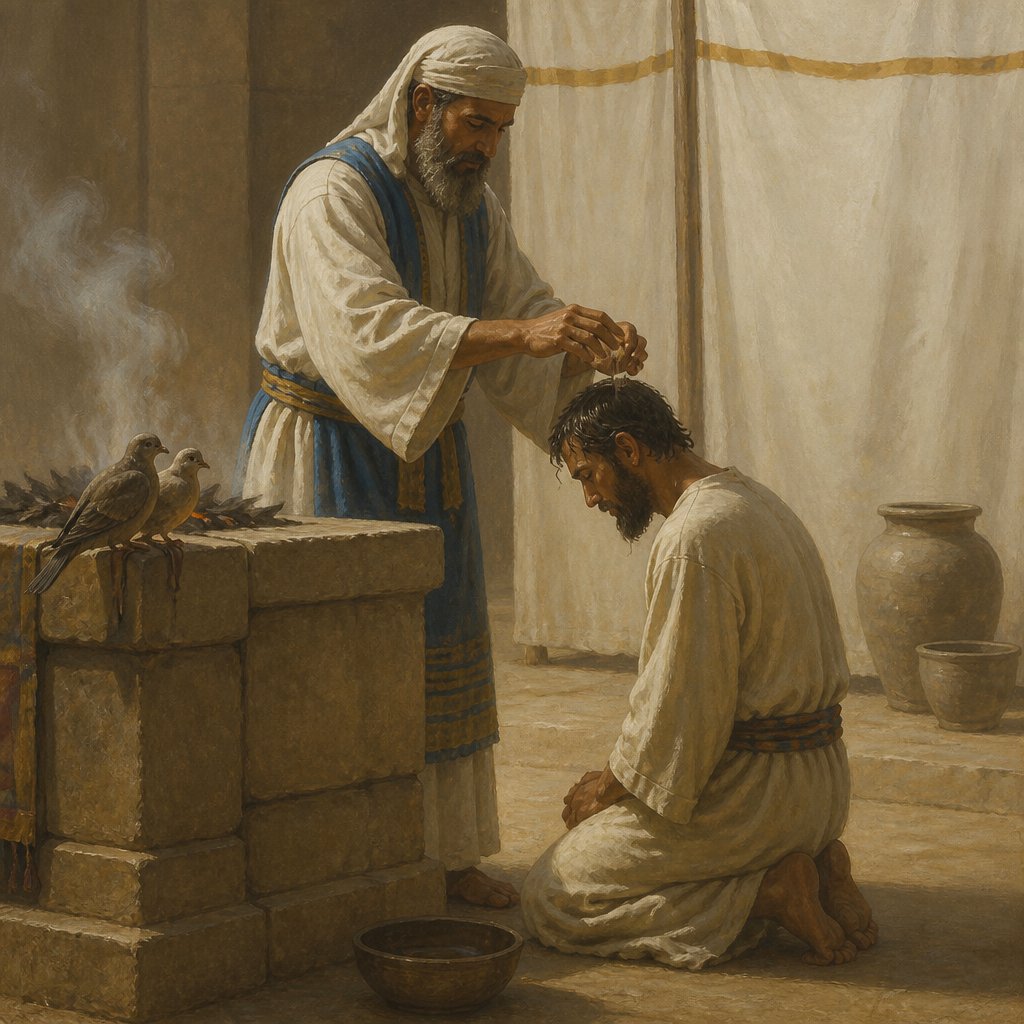
Numbers 6:11 (KJV) states, "And the priest shall offer the one for a sin offering, and the other for a burnt offering, and make an atonement for him, for that he sinned by the dead, and shall hallow his head that same day."
This verse is part of a larger passage known as the "The Law of the Nazarite" in the book of Numbers. The Nazarite vow was a special vow that someone could take to dedicate themselves to the Lord for a specific period of time. During this time, the individual would abstain from wine and strong drink, refrain from cutting their hair, and avoid becoming ritually impure by contact with a dead body.
In this verse, the priest is instructed to offer a sin offering and a burnt offering on behalf of the individual who has completed their Nazarite vow. The sin offering was meant to atone for any sins that the individual may have committed during their vow period, while the burnt offering was a symbol of complete dedication and surrender to God. The purpose of these offerings was to make atonement for the individual and to signify their renewed state of purity and holiness before the Lord.
The specific mention of the individual sinning "by the dead" refers to the defilement that would occur if the individual accidentally came into contact with a dead body during their vow. This defilement would require a process of purification before the individual could resume their vow and be considered clean in the sight of God.
This passage carries several important themes and lessons. Firstly, it emphasizes the seriousness of making a vow or commitment to the Lord. The individual who took the Nazarite vow was making a solemn promise to dedicate themselves to God, and the process of atonement and purification highlights the gravity of this commitment. It serves as a reminder that we should approach our relationship with God with reverence and sincerity, fully aware of the responsibilities and consequences of our actions.
Additionally, the concept of atonement and purification is central to this verse. The offerings made by the priest were intended to restore the individual to a state of purity and holiness, reflecting the importance of seeking reconciliation with God after sin or defilement. This reflects the broader biblical theme of God's redemptive work and the need for forgiveness and restoration in the face of human frailty and sin.
Symbolically, this verse also points to the ultimate atonement provided by Jesus Christ. The offerings made by the priest in the Old Testament were a foreshadowing of the perfect sacrifice that Christ would one day make on behalf of all humanity. Through his death and resurrection, Jesus offered complete atonement for sin and the opportunity for reconciliation with God. The Nazarite vow, with its focus on dedication and purity, can be seen as a prefiguration of the believer's commitment to follow Christ and live a life dedicated to God.
In conclusion, Numbers 6:11 (KJV) is a verse that provides important insights into the themes of commitment, atonement, and purity within the context of the Nazarite vow. It serves as a reminder of the seriousness of making a vow to the Lord and the need for reconciliation and restoration when we fall short. Ultimately, it also points to the redemptive work of Christ and the opportunity for believers to dedicate themselves fully to God, living in a state of purity and holiness through the grace of Jesus.
Get our apps


Artwork for Numbers 6:11
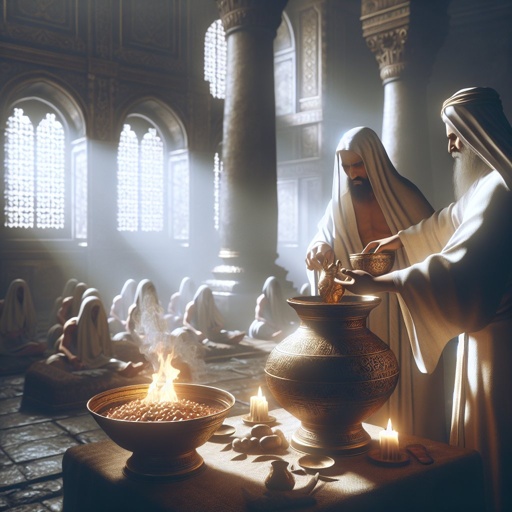
Numbers 6:11 - "And the priest shall offer the one for a sin offering, and the other for a burnt offering, and make an atonement for him, for that he sinned by the dead, and shall hallow his head that same day."
"And the priest shall offer the one for a sin offering, and the other for a burnt offering, and make an atonement for him, for that he sinned by the dead, and shall hallow his head that same day." - Numbers 6:11

Numbers 11. 4 to 6
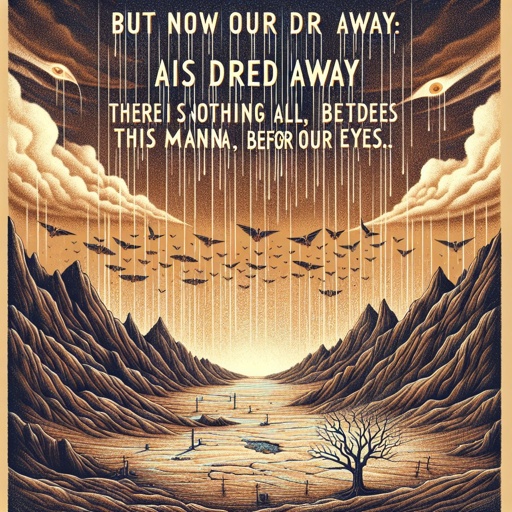
Numbers 11:6 - "But now our soul is dried away: there is nothing at all, beside this manna, before our eyes."
Numbers 11
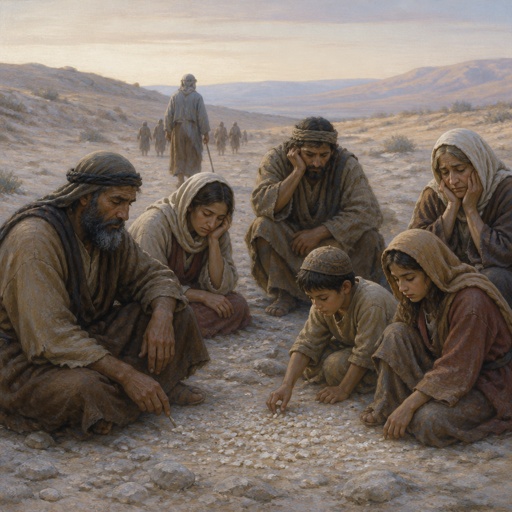
"But now our soul is dried away: there is nothing at all, beside this manna, before our eyes." - Numbers 11:6

Numbers 11:17

Numbers 11 quail

Numbers 11:15

Numbers 11:5

Numbers 11:16-26

Numbers 1:11 - "Of Benjamin; Abidan the son of Gideoni."

Numbers 26:11 - "Notwithstanding the children of Korah died not."

Numbers 5:11 - "¶ And the LORD spake unto Moses, saying,"

Numbers 3:11 - "And the LORD spake unto Moses, saying,"

Numbers 6:6 - "All the days that he separateth himself unto the LORD he shall come at no dead body."

Numbers 1:6 - "Of Simeon; Shelumiel the son of Zurishaddai."

Numbers 11 dead quail Moses

Numbers 6:22 - "¶ And the LORD spake unto Moses, saying,"

Numbers 27:6 - "¶ And the LORD spake unto Moses, saying,"

Numbers 13:6 - "Of the tribe of Judah, Caleb the son of Jephunneh."

Numbers 11:7 - "And the manna was as coriander seed, and the colour thereof as the colour of bdellium."

Numbers 6:1 - "And the LORD spake unto Moses, saying,"

Numbers 6:24 - "The LORD bless thee, and keep thee:"

Aaron blessing the congregation in numbers 6

Numbers 26:6 - "Of Hezron, the family of the Hezronites: of Carmi, the family of the Carmites."

Numbers 33:11 - "And they removed from the Red sea, and encamped in the wilderness of Sin."

Numbers 11:30 - "And Moses gat him into the camp, he and the elders of Israel."

Numbers 13:11 - "Of the tribe of Joseph, namely, of the tribe of Manasseh, Gaddi the son of Susi."

Numbers 31:11 - "And they took all the spoil, and all the prey, both of men and of beasts."