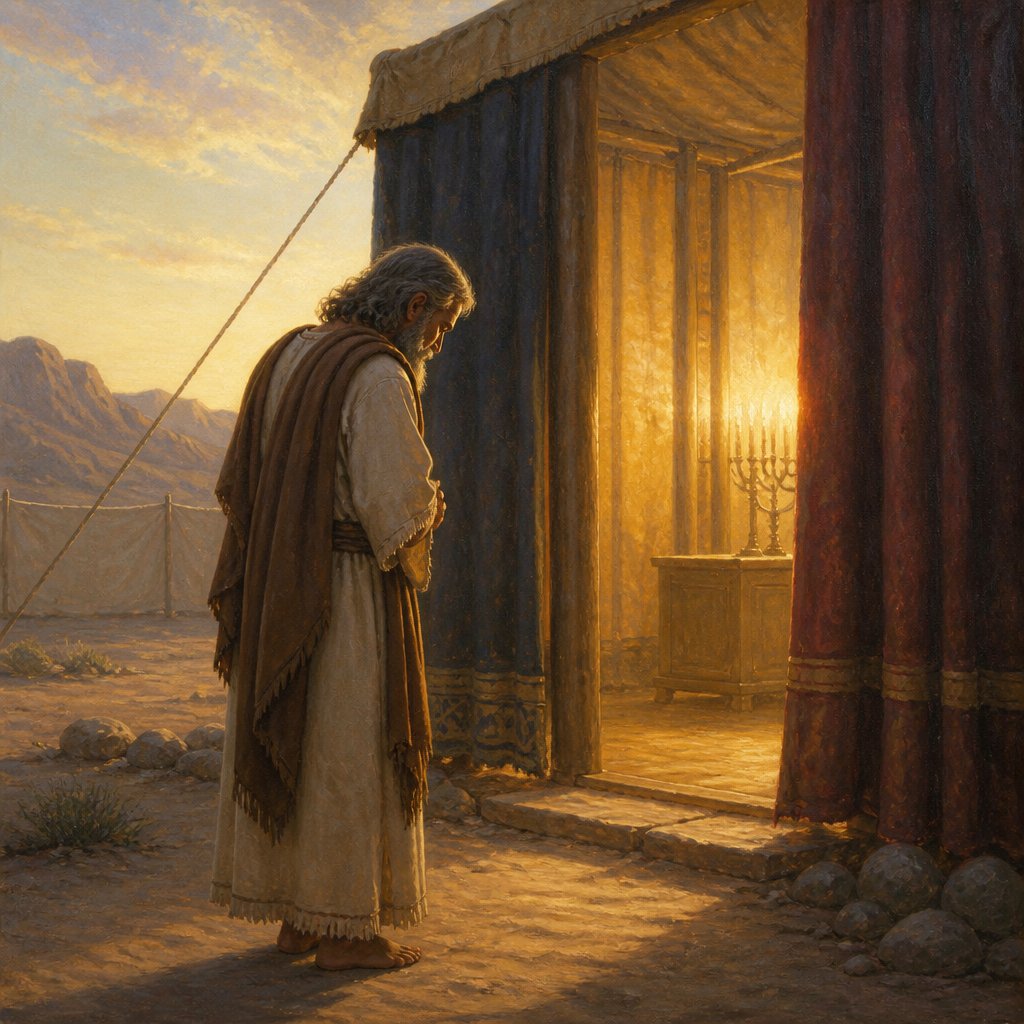
The verse Numbers 8:1 in the King James Version of the Bible reads, "And the Lord spake unto Moses, saying," This verse is the opening of a new chapter in the book of Numbers, which is the fourth book of the Pentateuch, the first five books of the Hebrew Bible and the Christian Old Testament.
This verse, at first glance, may seem unremarkable. However, it serves as a pivotal moment in the narrative of the Israelites' journey through the wilderness. The book of Numbers primarily focuses on the Israelites' time in the wilderness after their exodus from Egypt and their journey to the promised land. In this context, the verse represents a direct communication from God to Moses, an event that occurred frequently throughout the Israelites' desert wanderings and was essential for their guidance and survival.
The theme of divine communication and guidance is central to the book of Numbers, and it is exemplified in this verse. Throughout the book, the Israelites receive numerous instructions and laws from God through Moses. This demonstrates the importance of seeking God's guidance and following His commandments, as the Israelites did when they adhered to God's instructions. The verse serves as a reminder that just as God spoke to Moses, He continues to communicate with His people and provide them with the guidance they need.
Furthermore, the verse underscores the role of Moses as a mediator between God and the Israelites. In the biblical narrative, Moses is constantly in communication with God, receiving instructions and relaying them to the people. This establishes Moses as a pivotal figure in the Israelites' journey, as he serves as a conduit for God's communication and guidance. This also sets the stage for the establishment of the Mosaic Law, which forms the basis of the Israelites' covenant with God.
Symbolically, the verse represents the importance of divine revelation and the necessity of seeking God's guidance. It emphasizes the belief that God is actively involved in the lives of His people, providing them with the direction they need to navigate through life's challenges. This idea is echoed throughout the Bible, where God's communication with humanity is portrayed as an integral part of the relationship between God and His people.
The verse also holds significance in the broader theological context of the Bible. It reaffirms the concept of God as the ultimate authority and the source of wisdom and guidance. It emphasizes the belief in a personal and involved God who communicates with His people and provides them with the instruction they need to live according to His will.
In conclusion, Numbers 8:1 serves as a foundational verse in the book of Numbers and holds significant theological and symbolic meaning. It highlights the themes of divine communication, guidance, and the role of Moses as a mediator between God and the Israelites. It also underscores the belief in a personal and involved God who continues to communicate with His people. This verse is a reminder of the importance of seeking God's guidance and following His commandments, as the Israelites did in the biblical narrative. Ultimately, Numbers 8:1 is a testament to the belief that God is actively involved in the lives of His people and provides them with the direction they need.
Get our apps


Artwork for Numbers 8:1

Numbers 8:1 - "And the LORD spake unto Moses, saying,"

create a mosaic that depicts numbers 8:1 to 12:16 do not show words

"And the LORD spake unto Moses, saying," - Numbers 8:1

"Create a detailed and artistic mosaic image that depicts various scenes from the biblical book of Numbers (Bamidbar) chapters 8:1 to 12:1. The image should be divided into sections, each representing different events within these chapters, in a style that reflects traditional Jewish art and avoids Christian or Catholic imagery. Numbers 8:1-4: Show the lighting of the Menorah in the Tabernacle (Mishkan). Aaron, the High Priest, should be lighting the Menorah. Ensure that the seven-branched Menorah is prominently displayed. Numbers 8:5-26: Depict the consecration of the Levites (Leviím). Show the Levites being presented before the Tent of Meeting, having their heads shaved and being sprinkled with purifying water. Include elements such as offerings and the elders of Israel laying their hands on the Levites. Numbers 9:1-14: Illustrate the Israelites observing the Passover (Pesach) in the wilderness. Show families gathered around the Passover meal, with symbols of matzah and lamb. Also, include the people who were impure because of contact with a dead body and how they are consulting Moses about observing the Passover later. Numbers 9:15-23: Display the cloud covering the Tabernacle by day and the appearance of fire by night. Show the Israelites encamped around the Tabernacle, with their tents in the background, and the divine cloud and fire above. Numbers 10:1-10: Illustrate the making and use of the silver trumpets (chatzotzrot). Show the priests blowing the trumpets to signal the Israelites' movements and gather the assembly. Numbers 10:11-36: Depict the Israelites setting out from the wilderness of Sinai, following the cloud of the Lord. Show the ark of the covenant being carried by the Levites, leading the people. Numbers 11:1-35: Portray the incidents of the people's complaints and God's provision of quail. Include scenes of the people gathering quail and a representation of the fire that consumed some of the camp due to their complaints. Show Moses speaking to God, but ensure Moses' face is not visible. Numbers 12:1: Show the scene where Miriam and Aaron speak against Moses because of the Cushite woman he had married. Depict Miriam and Aaron in discussion, but do not show Moses' face. The entire mosaic should be harmonious and cohesive, with no individual faces of Moses visible and no words or numbers in the artwork. The style should reflect traditional Jewish artistic sensibilities and avoid any Christian or Catholic symbols."

"Create a detailed and artistic mosaic image that depicts various scenes from the biblical book of Numbers (Bamidbar) chapters 8:1 to 12:1. The image should be divided into sections, each representing different events within these chapters, in a style that reflects traditional Jewish art and avoids Christian or Catholic imagery. Numbers 8:1-4: Show the lighting of the Menorah in the Tabernacle (Mishkan). Aaron, the High Priest, should be lighting the Menorah. Ensure that the seven-branched Menorah is prominently displayed. Numbers 8:5-26: Depict the consecration of the Levites (Leviím). Show the Levites being presented before the Tent of Meeting, having their heads shaved and being sprinkled with purifying water. Include elements such as offerings and the elders of Israel laying their hands on the Levites. Numbers 9:1-14: Illustrate the Israelites observing the Passover (Pesach) in the wilderness. Show families gathered around the Passover meal, with symbols of matzah and lamb. Also, include the people who were impure because of contact with a dead body and how they are consulting Moses about observing the Passover later. Numbers 9:15-23: Display the cloud covering the Tabernacle by day and the appearance of fire by night. Show the Israelites encamped around the Tabernacle, with their tents in the background, and the divine cloud and fire above. Numbers 10:1-10: Illustrate the making and use of the silver trumpets (chatzotzrot). Show the priests blowing the trumpets to signal the Israelites' movements and gather the assembly. Numbers 10:11-36: Depict the Israelites setting out from the wilderness of Sinai, following the cloud of the Lord. Show the ark of the covenant being carried by the Levites, leading the people. Numbers 11:1-35: Portray the incidents of the people's complaints and God's provision of quail. Include scenes of the people gathering quail and a representation of the fire that consumed some of the camp due to their complaints. Show Moses speaking to God, but ensure Moses' face is not visible. Numbers 12:1: Show the scene where Miriam and Aaron speak against Moses because of the Cushite woman he had married. Depict Miriam and Aaron in discussion, but do not show Moses' face. The entire mosaic should be harmonious and cohesive, with no individual faces of Moses visible and no words or numbers in the artwork. The style should reflect traditional Jewish artistic sensibilities and avoid any Christian or Catholic symbols."

Numbers 4:8

Numbers 4:7-8

Numbers 1:8 - "Of Issachar; Nethaneel the son of Zuar."

"Of Issachar; Nethaneel the son of Zuar." - Numbers 1:8

Numbers 14:8

Numbers 14:8

numbers 25:8

numbers 25:8

Numbers 14:8

Numbers 26:8 - "And the sons of Pallu; Eliab."

Numbers 13:8 - "Of the tribe of Ephraim, Oshea the son of Nun."

Numbers 8:5 - "¶ And the LORD spake unto Moses, saying,"

Numbers 8:23 - "¶ And the LORD spake unto Moses, saying,"

"And the sons of Pallu; Eliab." - Numbers 26:8

Numbers 6:8 - "All the days of his separation he is holy unto the LORD."

Numbers 8:6 - "Take the Levites from among the children of Israel, and cleanse them."

Numbers 8:18 - "And I have taken the Levites for all the firstborn of the children of Israel."

Numbers 2:8 - "And his host, and those that were numbered thereof, were fifty and seven thousand and four hundred."

numbers 21:8-9 & John 3:14

Numbers 8:8 - "Then let them take a young bullock with his meat offering, even fine flour mingled with oil, and another young bullock shalt thou take for a sin offering."

Numbers 16:8 - "And Moses said unto Korah, Hear, I pray you, ye sons of Levi:"

Numbers 8:14 - "Thus shalt thou separate the Levites from among the children of Israel: and the Levites shall be mine."

Numbers 3:8 - "And they shall keep all the instruments of the tabernacle of the congregation, and the charge of the children of Israel, to do the service of the tabernacle."

"¶ And the LORD spake unto Moses, saying," - Numbers 8:23

"¶ And the LORD spake unto Moses, saying," - Numbers 8:5