What does Numbers 9:11 mean?
“The fourteenth day of the second month at even they shall keep it, and eat it with unleavened bread and bitter herbs.” — Numbers 9:11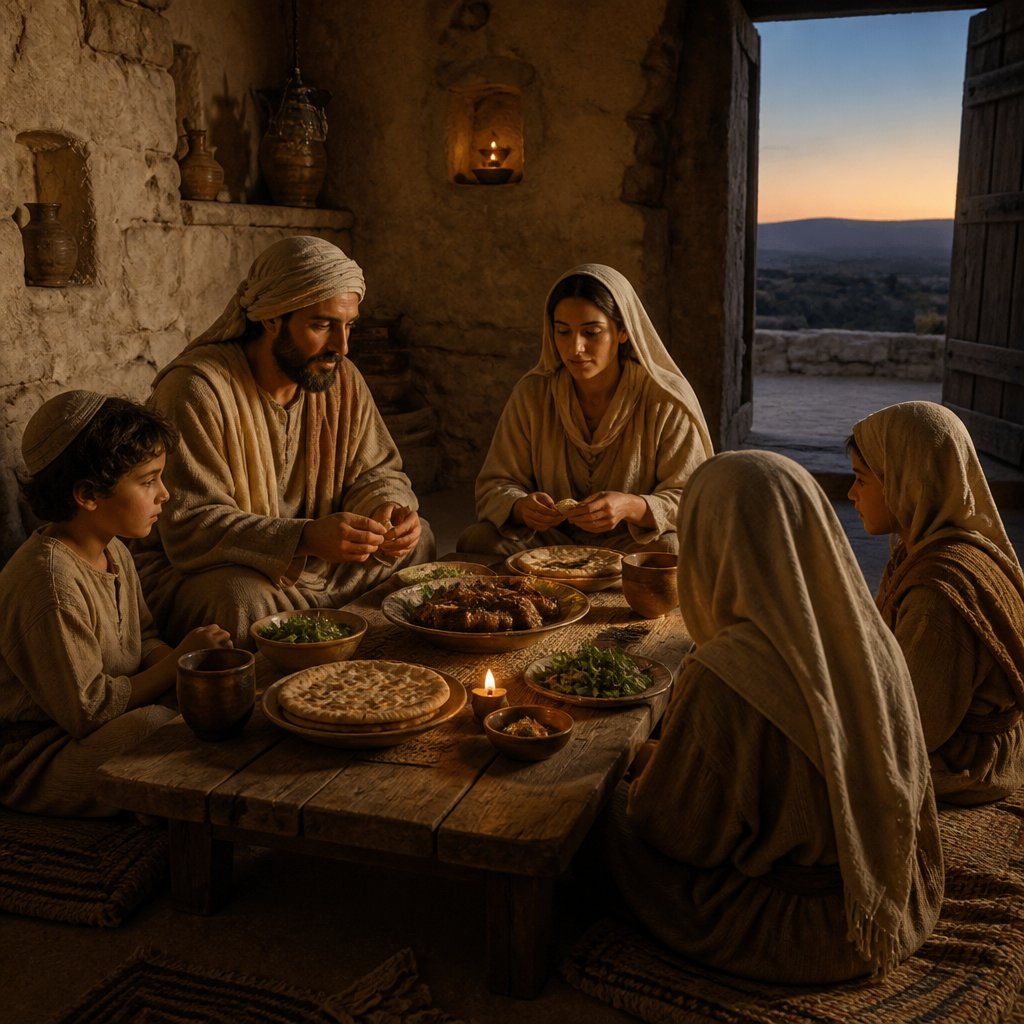
Numbers 9:11 from the King James Version (KJV) of the Bible states: "The fourteenth day of the second month at even they shall keep it, and eat it with unleavened bread and bitter herbs."
This verse is taken from the book of Numbers in the Old Testament, which describes the events surrounding the Israelites' exodus from Egypt and their journey to the Promised Land.
In this particular passage, God is giving instructions to the Israelites regarding the celebration of the Passover. The Passover was a significant festival in the Jewish calendar, commemorating the deliverance of the Israelites from slavery in Egypt. It was a time for the people to remember and give thanks for God's faithfulness and provision.
The verse specifies the timing and the manner in which the Passover should be observed. The fourteenth day of the second month was to be a time when the Israelites would gather together to eat the Passover meal, which consisted of roasted lamb, unleavened bread, and bitter herbs. This meal was a symbol of their hurried departure from Egypt, as they did not have time to let their bread rise, and the bitter herbs represented the bitterness of their slavery.
One of the key themes in this verse is obedience to God's commands. The Israelites were instructed to keep the Passover on a specific day and in a specific way, and their willingness to do so demonstrated their faith and trust in God. Obedience to God's instructions was essential for the Israelites to experience His blessing and protection as they journeyed through the wilderness.
Another important theme in this verse is the idea of remembrance. The Passover was a time for the Israelites to remember and reflect on their history as a people, acknowledging God's faithfulness in delivering them from bondage. The ritual of eating the Passover meal with unleavened bread and bitter herbs served as a visual reminder of their past and a symbol of their identity as God's chosen people.
The symbolism in this verse is rich and meaningful. The unleavened bread, for example, represents purity and sincerity. The Israelites were to eat this bread as a reminder of their need to live lives that were free from the "leaven" of sin and corruption. The bitter herbs, on the other hand, symbolize the bitter experience of slavery and the hardship of their journey. By consuming these bitter herbs, they were acknowledging the pain and suffering they had endured and expressing gratitude for their freedom.
In a broader sense, this verse speaks to the universal human experience of remembering and giving thanks for deliverance. It invites readers to consider their own history and to recognize the ways in which they have been rescued from difficult circumstances. By obeying God's command to keep the Passover and participate in its rituals, the Israelites were engaging in a form of worship and gratitude for the salvation they had received.
In conclusion, Numbers 9:11 is a verse that carries with it layers of meaning and significance. It encompasses themes of obedience, remembrance, and gratitude, and its rich symbolism invites reflection on the human experience of deliverance and the worship of a faithful God. As readers engage with this verse, they are encouraged to consider their own history and to give thanks for the ways in which they have been delivered from bondage and hardship.
Get our apps


Artwork for Numbers 9:11

Numbers 9:11 - "The fourteenth day of the second month at even they shall keep it, and eat it with unleavened bread and bitter herbs."
"The fourteenth day of the second month at even they shall keep it, and eat it with unleavened bread and bitter herbs." - Numbers 9:11

Numbers 11:9 - "And when the dew fell upon the camp in the night, the manna fell upon it."

"And when the dew fell upon the camp in the night, the manna fell upon it." - Numbers 11:9
Numbers 11

Numbers 9:9 - "¶ And the LORD spake unto Moses, saying,"

Numbers 11:17
Numbers 11 quail

Numbers 11:15

Numbers 11:5

Numbers 11:16-26

Numbers 7:1-9

Numbers 11. 4 to 6

Numbers 1:11 - "Of Benjamin; Abidan the son of Gideoni."

Numbers 26:11 - "Notwithstanding the children of Korah died not."

Numbers 1:9 - "Of Zebulun; Eliab the son of Helon."

"¶ And the LORD spake unto Moses, saying," - Numbers 9:9

Numbers 35:9 - "¶ And the LORD spake unto Moses, saying,"

Numbers 5:11 - "¶ And the LORD spake unto Moses, saying,"

Numbers 3:11 - "And the LORD spake unto Moses, saying,"

Numbers 13:9 - "Of the tribe of Benjamin, Palti the son of Raphu."

Numbers 11 dead quail Moses

Numbers 11:7 - "And the manna was as coriander seed, and the colour thereof as the colour of bdellium."

Numbers 12:9 - "And the anger of the LORD was kindled against them; and he departed."

Numbers 25:9 - "And those that died in the plague were twenty and four thousand."

Numbers 33:11 - "And they removed from the Red sea, and encamped in the wilderness of Sin."

Numbers 11:30 - "And Moses gat him into the camp, he and the elders of Israel."

Numbers 9:16 - "So it was alway: the cloud covered it by day, and the appearance of fire by night."

Numbers 22:9 - "And God came unto Balaam, and said, What men are these with thee?"

Numbers 13:11 - "Of the tribe of Joseph, namely, of the tribe of Manasseh, Gaddi the son of Susi."