What does Numbers 9:5 mean?
“And they kept the passover on the fourteenth day of the first month at even in the wilderness of Sinai: according to all that the LORD commanded Moses, so did the children of Israel.” — Numbers 9:5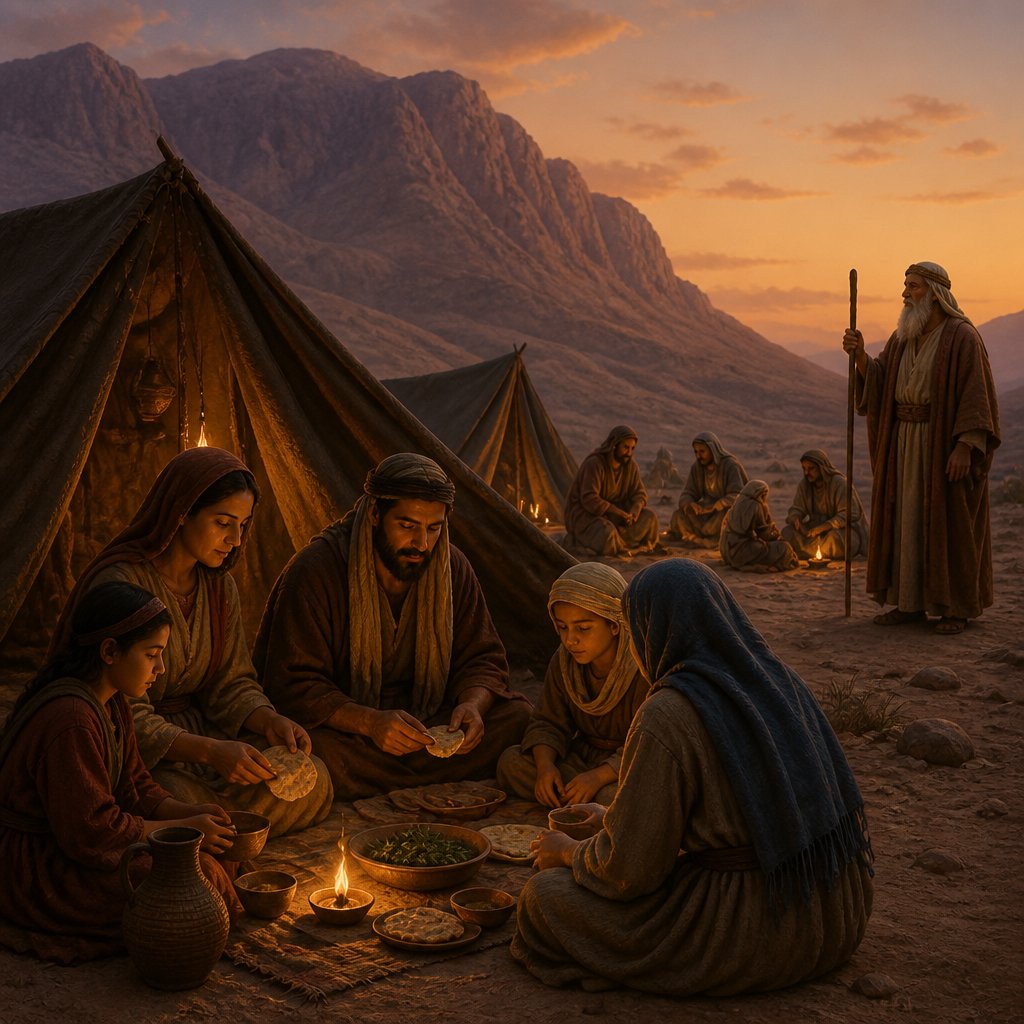
Numbers 9:5 (KJV) states, "And they kept the passover on the fourteenth day of the first month at even in the wilderness of Sinai: according to all that the Lord commanded Moses, so did the children of Israel."
This verse is a part of the larger narrative found in the book of Numbers, which recounts the events of the Israelites wandering in the wilderness after their exodus from Egypt. The verse refers to the Passover, a significant religious observance in the Jewish tradition.
The Passover, also known as Pesach, commemorates the liberation of the Israelites from slavery in ancient Egypt and the exodus to the Promised Land. It is observed annually on the 14th day of the first month, known as Nisan, in the Jewish calendar. The Passover is a time of remembrance, reflection, and celebration, as well as a time for thanksgiving and recommitment to God.
In the context of Numbers 9:5, the Israelites have been commanded by God to observe the Passover according to specific instructions given to Moses. This highlights the importance of obedience and adherence to divine mandates. The verse emphasizes that the children of Israel followed God's commandments faithfully, even in the midst of their journey through the wilderness.
The wilderness of Sinai serves as a symbolic backdrop for the observance of the Passover. The wilderness is often used in the Bible as a setting for testing, trial, and spiritual growth. In this context, the observance of the Passover in the wilderness underscores the resilience, faithfulness, and dependability of God and His people.
Symbolically, the Passover holds deep spiritual significance. It foreshadows the ultimate deliverance and redemption brought about by Jesus Christ, the sacrificial Lamb of God. In the New Testament, Jesus is referred to as the "Lamb of God" who takes away the sins of the world, drawing a direct connection to the Passover lamb sacrificed in ancient times.
The theme of obedience and adherence to God's commands is central to Numbers 9:5. The verse emphasizes the importance of following God's instructions and fulfilling religious duties as a sign of devotion and loyalty. It also highlights the faithfulness of the children of Israel in obeying God's directives, even in challenging and unfamiliar circumstances.
Furthermore, the verse underscores the continuity of tradition and the significance of cultural and religious practices in shaping the identity and faith of the Israelites. The observance of the Passover serves as a powerful symbol of remembrance, preservation, and transmission of religious heritage from one generation to the next.
In conclusion, Numbers 9:5 captures the essence of the Passover observance in the wilderness of Sinai, portraying the unwavering obedience, faithfulness, and commitment of the children of Israel to God's commandments. The verse also symbolizes the timeless significance of the Passover as a testament to God's faithfulness, deliverance, and redemption. Ultimately, it points to the fulfillment of God's plan through Jesus Christ, the ultimate Passover Lamb, and His redemptive work for all humanity.
Get our apps


Artwork for Numbers 9:5

Numbers 9:5 - "And they kept the passover on the fourteenth day of the first month at even in the wilderness of Sinai: according to all that the LORD commanded Moses, so did the children of Israel."
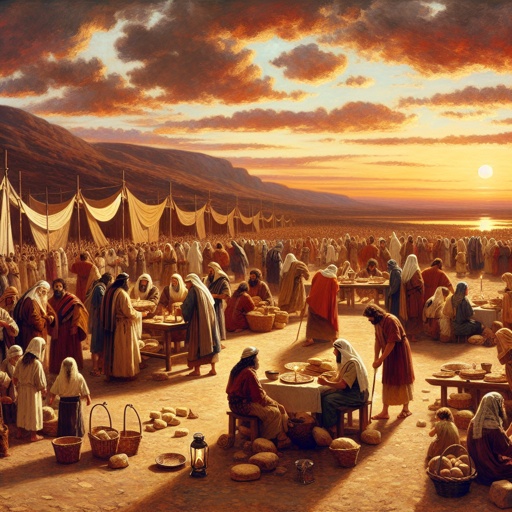
Numbers 9:5 “They celebrated the Passover in the first month, on the fourteenth day of the month, at twilight, in the Desert of Sinai; according to all that the LORD commanded Moses, so the children of Israel did.”
"And they kept the passover on the fourteenth day of the first month at even in the wilderness of Sinai: according to all that the LORD commanded Moses, so did the children of Israel." - Numbers 9:5

Numbers 5:9 - "And every offering of all the holy things of the children of Israel, which they bring unto the priest, shall be his."

Numbers 9:9 - "¶ And the LORD spake unto Moses, saying,"

Numbers 5:5 - "¶ And the LORD spake unto Moses, saying,"
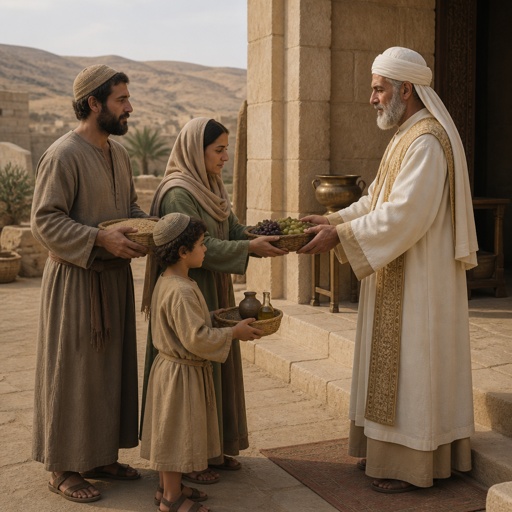
"And every offering of all the holy things of the children of Israel, which they bring unto the priest, shall be his." - Numbers 5:9

Numbers 11:5

Numbers 7:1-9

Numbers 1:9 - "Of Zebulun; Eliab the son of Helon."

"¶ And the LORD spake unto Moses, saying," - Numbers 9:9

Numbers 35:9 - "¶ And the LORD spake unto Moses, saying,"

"¶ And the LORD spake unto Moses, saying," - Numbers 5:5

Numbers 13:9 - "Of the tribe of Benjamin, Palti the son of Raphu."

Numbers 8:5 - "¶ And the LORD spake unto Moses, saying,"

Numbers 13:5 - "Of the tribe of Simeon, Shaphat the son of Hori."

Numbers 5:1 - "And the LORD spake unto Moses, saying,"

Numbers 3:5 - "¶ And the LORD spake unto Moses, saying,"

Numbers 27:5 - "And Moses brought their cause before the LORD."

Numbers 5:11 - "¶ And the LORD spake unto Moses, saying,"

Numbers 12:9 - "And the anger of the LORD was kindled against them; and he departed."

Numbers 25:9 - "And those that died in the plague were twenty and four thousand."

Numbers 9:16 - "So it was alway: the cloud covered it by day, and the appearance of fire by night."

Numbers 22:9 - "And God came unto Balaam, and said, What men are these with thee?"

Numbers 33:5 - "And the children of Israel removed from Rameses, and pitched in Succoth."

Numbers 9:4 - "And Moses spake unto the children of Israel, that they should keep the passover."

Numbers 11:9 - "And when the dew fell upon the camp in the night, the manna fell upon it."

Numbers 29:5 - "And one kid of the goats for a sin offering, to make an atonement for you:"

Numbers 9:2 - "Let the children of Israel also keep the passover at his appointed season."

Numbers 20:9 - "And Moses took the rod from before the LORD, as he commanded him."