What does Philippians 2:12-13 mean?
"Therefore, my beloved, as ye have always obeyed, not as in my presence only, but now much more in my absence, work out your own salvation with fear and trembling. For it is God which worketh in you both to will and to do of his good pleasure." - Philippians 2:12-13
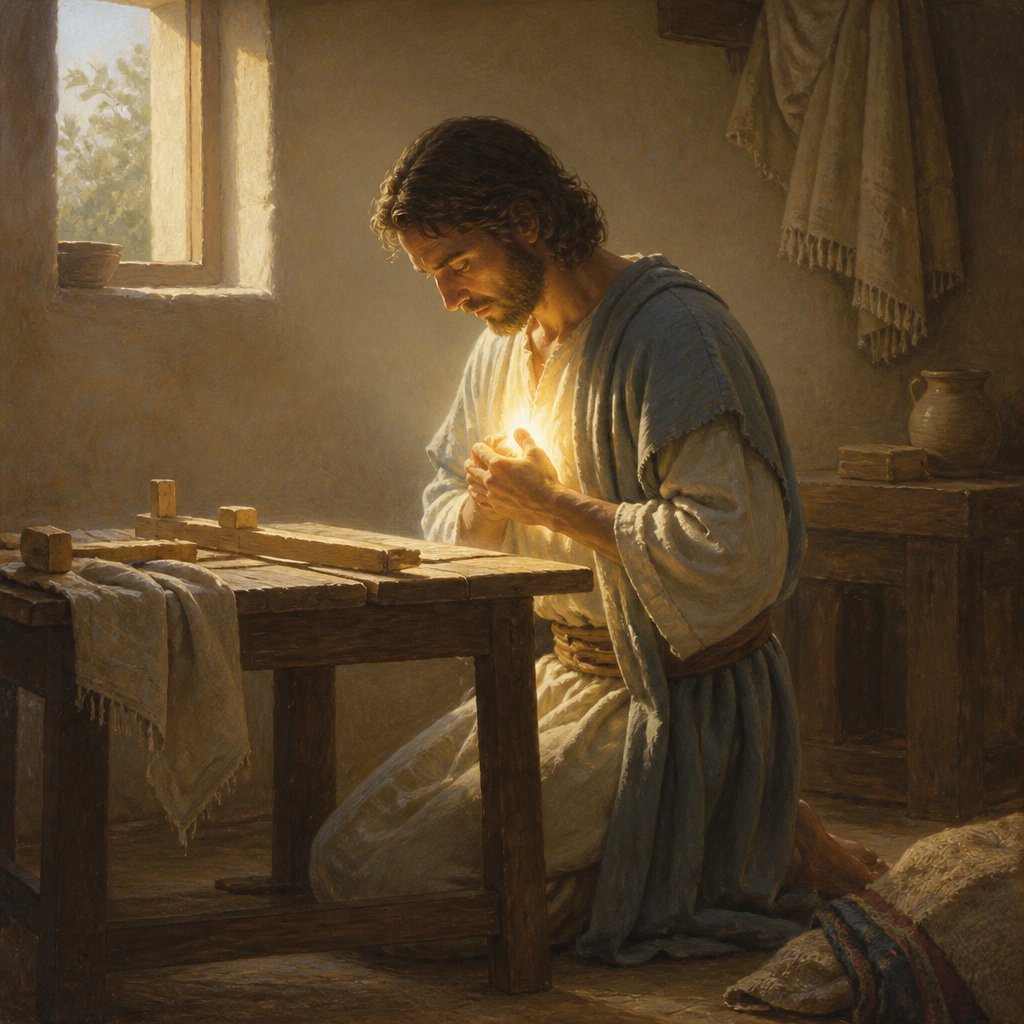
Philippians 2:12-13 in the King James Version (KJV) of the Bible reads, "Wherefore, my beloved, as ye have always obeyed, not as in my presence only, but now much more in my absence, work out your own salvation with fear and trembling. For it is God which worketh in you both to will and to do of his good pleasure."
This passage comes in the midst of a larger section of Paul's letter to the Philippians in which he encourages them to imitate Christ's humility and servanthood. In these two verses, Paul is exhorting the believers in Philippi to continue working out their salvation in fear and trembling, for it is God who is actively working in them to accomplish His purposes.
The overarching theme of these verses is the believer's responsibility to work out their salvation in conjunction with God's work within them. This passage emphasizes the balance between human effort and divine action, highlighting the cooperative nature of the believer's relationship with God.
The opening phrase, "Wherefore, my beloved," reflects Paul's affection and care for the believers in Philippi. He is addressing them as beloved members of the faith community, and his words carry a sense of warmth and tenderness.
Paul commends the Philippians for their obedience, noting that they have always obeyed, not only in his presence but also in his absence. This affirms their commitment to following Christ's teachings and living according to the gospel, regardless of external circumstances or pressure.
The phrase "work out your own salvation with fear and trembling" has been the subject of much theological discussion and debate. It is important to note that Paul is not suggesting that believers can earn or merit their salvation through their own efforts. Salvation is a gift of God's grace, received through faith in Christ (Ephesians 2:8-9). However, Paul is exhorting the Philippians to actively live out their faith, to grow in their relationship with God, and to pursue sanctification with awe and reverence. This internal attitude of fear and trembling reflects a deep sense of humility, acknowledging the gravity of the task and the need for dependence on God.
The next verse, "For it is God which worketh in you both to will and to do of his good pleasure," further emphasizes the cooperative nature of the believer's relationship with God. The phrase "worketh in you" conveys the idea of God actively at work within the believer, shaping their desires and empowering their actions. This highlights the divine initiative in the believer's spiritual growth and transformation.
The emphasis on "both to will and to do of his good pleasure" underscores the comprehensive nature of God's work within the believer. God not only empowers the believer to desire and pursue righteousness but also enables them to carry out His purposes. This verse points to the sovereignty of God in guiding and directing the lives of those who belong to Him.
In its broader context, Philippians 2:12-13 is situated within a larger passage that exhorts believers to adopt the same humble attitude as Christ, who willingly submitted Himself to the will of the Father and became obedient to the point of death on the cross. This call to imitate Christ's humility and servanthood provides the backdrop for the exhortation to work out their salvation with fear and trembling.
The symbolism in these verses lies in the contrast between human effort and divine empowerment. The image of "fear and trembling" conveys a sense of deep humility and reverence before God, recognizing the weightiness of the task of growing in faith and obedience. This language conveys the idea of a healthy awe and reverence for the divine, as well as a profound sense of dependence on God for the strength and wisdom needed to live out the Christian life.
Overall, Philippians 2:12-13 highlights the believer's responsibility to actively engage in their spiritual growth, while also acknowledging the essential role of God in empowering and guiding them. This cooperative dynamic between human effort and divine action underscores the profound relationship between the believer and God, as well as the ongoing process of sanctification and transformation.
Have questions about Philippians 2:12-13?
Dive deeper into this scripture with Bible Chat — an AI-powered tool for exploring God's Word through conversation. Ask questions, get context, and grow in your understanding of the Bible.
Get Our Apps


Philippians 2:12-13 Artwork

Philippians 2:12-13 - "Therefore, my beloved, as you have always obeyed, not as in my presence only, but now much more in my absence, work out your own salvation with fear and trembling; for it is God who works in you both to will and to do for His good pleasure."

"Therefore, my beloved, as you have always obeyed, not as in my presence only, but now much more in my absence, work out your own salvation with fear and trembling; for it is God who works in you both to will and to do for His good pleasure." - Philippians 2:12-13

Philippians 2:13 - "For it is God which worketh in you both to will and to do of his good pleasure."

Philippians 4:13

Philippians 4:13

Philippians 4:13

Philippians 4:13

Philippians 4:13

Philippians 4:13

Philippians 4:13
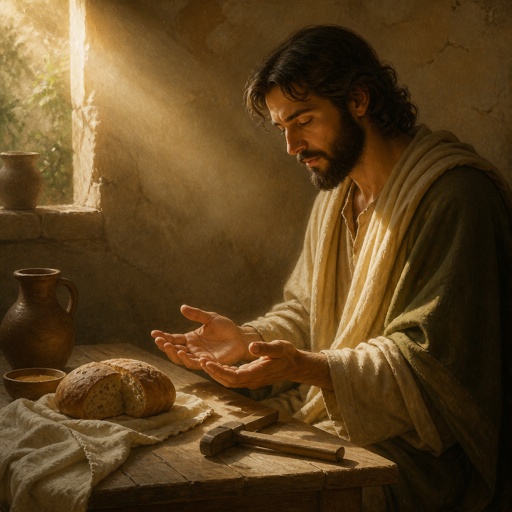
"For it is God which worketh in you both to will and to do of his good pleasure." - Philippians 2:13

Philippians 2:12 - "Wherefore, my beloved, as ye have always obeyed, not as in my presence only, but now much more in my absence, work out your own salvation with fear and trembling."

Philippians 4:12-13 - "I know how to be brought low, and I know how to abound. In any and every circumstance, I have learned the secret of facing plenty and hunger, abundance and need. I can do all things through him who strengthens me."

Philippians 2:2

2 chronicles 13:12

Philippians 2:7

Philippians 2:7

Philippians 2:7

Philippians 2:29

Philippians 2:3

Philippians 2:7

Philippians 2:3

Philippians 3:2

Philippians 4:13 - "I can do all things through Christ which strengtheneth me."

Philippians (4:13) I am able to do all things through the one who strengthens me.

Philippians (4:13) I am able to do all things through the one who strengthens me.

Philippians (4:13) I am able to do all things through the one who strengthens me.

Philippians (4:13) I am able to do all things through the one who strengthens me.

Philippians (4:13) I am able to do all things through the one who strengthens me.

Philippians (4:13) I am able to do all things through the one who strengthens me.