What does Philippians 2:4 mean?
“Look not every man on his own things, but every man also on the things of others.” — Philippians 2:4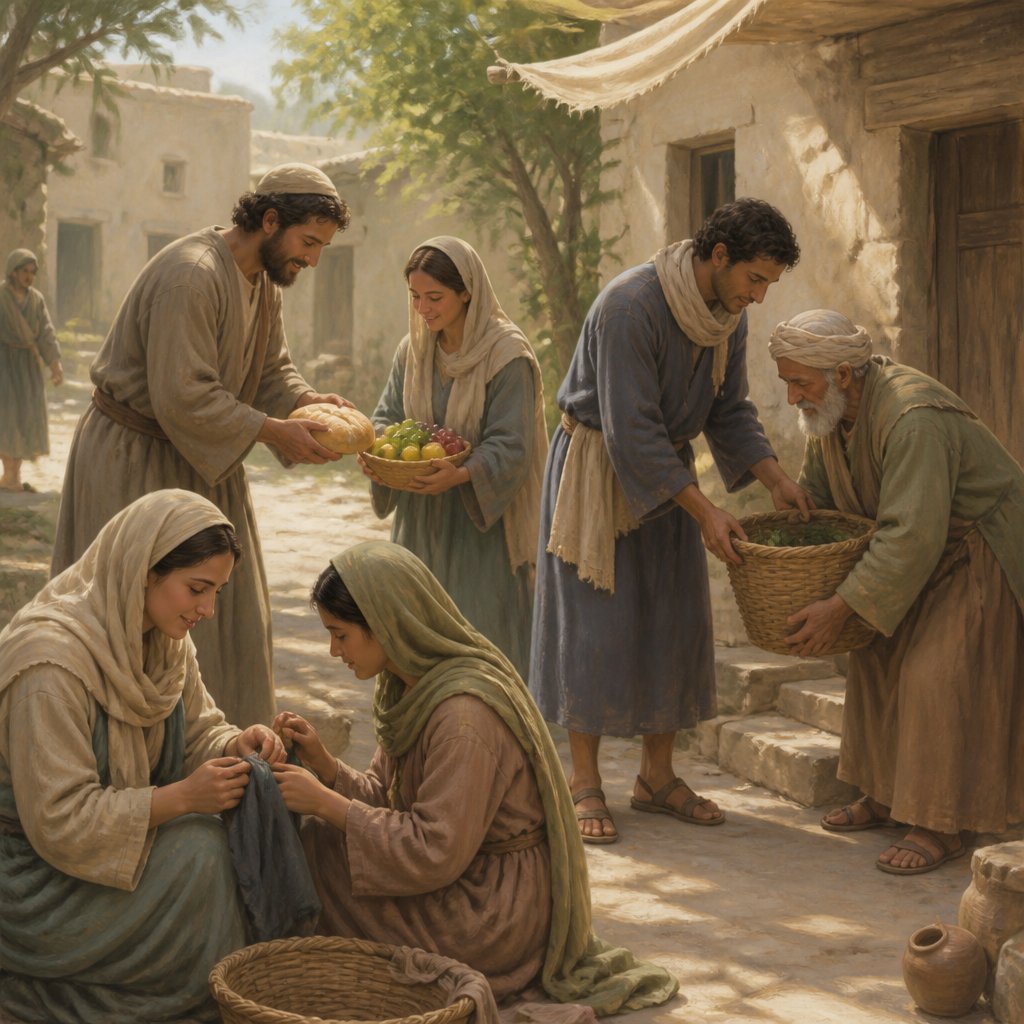
Philippians 2:4 in the King James Version (KJV) states, "Look not every man on his own things, but every man also on the things of others." This verse is a call to selflessness and compassion, urging believers to prioritize the needs and concerns of others above their own. In this commentary, we will explore the meaning, context, and symbolism of this powerful verse.
The book of Philippians was written by the apostle Paul while he was imprisoned in Rome. The overarching theme of the book is joy in the face of adversity and the importance of unity and humility within the Christian community. In Chapter 2, Paul encourages the believers in Philippi to imitate the humility of Christ and to live in harmony with one another. Philippians 2:4 falls within this broader context of promoting selflessness and consideration for others.
At its core, Philippians 2:4 challenges believers to resist the temptation to be self-centered and instead adopt a mindset of genuine care and concern for others. The verse addresses the human tendency to focus solely on personal interests and ambitions, reminding believers that true fulfillment and purpose are found in serving and caring for others. It emphasizes the importance of empathy and compassion in all relationships, whether within the Christian community or in the broader society.
The verse also reflects the teachings of Jesus, who consistently emphasized the importance of love, compassion, and serving others. In Matthew 22:39, Jesus instructs his followers to "love your neighbor as yourself," encapsulating the same spirit of selflessness that Philippians 2:4 conveys. This alignment with Jesus' teachings underscores the centrality of selflessness and compassion in the Christian faith.
Moreover, the verse speaks to the broader theme of unity and harmony within the Christian community. By directing believers to consider the needs of others, it promotes a culture of mutual support and care. This selflessness fosters a sense of interconnectedness and solidarity, strengthening the bonds of fellowship within the church. It also serves as a counterpoint to the individualism and self-interest that can undermine the cohesion of a community.
Symbolically, Philippians 2:4 represents a foundational principle of Christian ethics and morality. It serves as a guiding principle for how believers should conduct themselves in their daily lives, embodying the love and humility of Christ. Additionally, the verse symbolizes the transformative power of selflessness, as it invites believers to transcend their own desires and invest in the well-being of others.
In conclusion, Philippians 2:4 carries profound significance within the context of Christian ethics and community. It calls believers to embody the spirit of selflessness and compassion, reflecting the love and humility of Christ. Its emphasis on considering the needs of others resonates with the broader themes of unity and harmony within the Christian community. Ultimately, Philippians 2:4 stands as a timeless reminder of the foundational importance of selflessness in the lives of believers, challenging them to prioritize the well-being of others above their own interests.
Get our apps


Artwork for Philippians 2:4

Philippians 2:4 - "Look not every man on his own things, but every man also on the things of others."
"Look not every man on his own things, but every man also on the things of others." - Philippians 2:4

Philippians 4:2 - "I beseech Euodias, and beseech Syntyche, that they be of the same mind in the Lord."

philippians 4:4

philippians 4:4

philippians 4:4

Philippians 4:4

Philippians 4:13

Philippians 4:4-7

Philippians 4:13

Philippians 4:7

philippians 4:7

Philippians 4:13

Philippians 4:13

Philippians 4:6

Philippians 4:1

Philippians 4:13

"I beseech Euodias, and beseech Syntyche, that they be of the same mind in the Lord." - Philippians 4:2

Philippians 4:4 - "Rejoice in the Lord alway: and again I say, Rejoice."

Philippians 4:1

Philippians 4:1

Philippians 4:13

Philippians 4:19

Philippians 4:6

Philippians 4:6

Philippians 4:19

Philippians 4:13

Philippians 4:1

Philippians 4:8

philippians 4:7