What does Philippians 2:5-7 mean?
“Let this mind be in you, which was also in Christ Jesus: Who, being in the form of God, thought it not robbery to be equal with God: But made himself of no reputation, and took upon him the form of a servant, and was made in the likeness of men:” — Philippians 2:5-7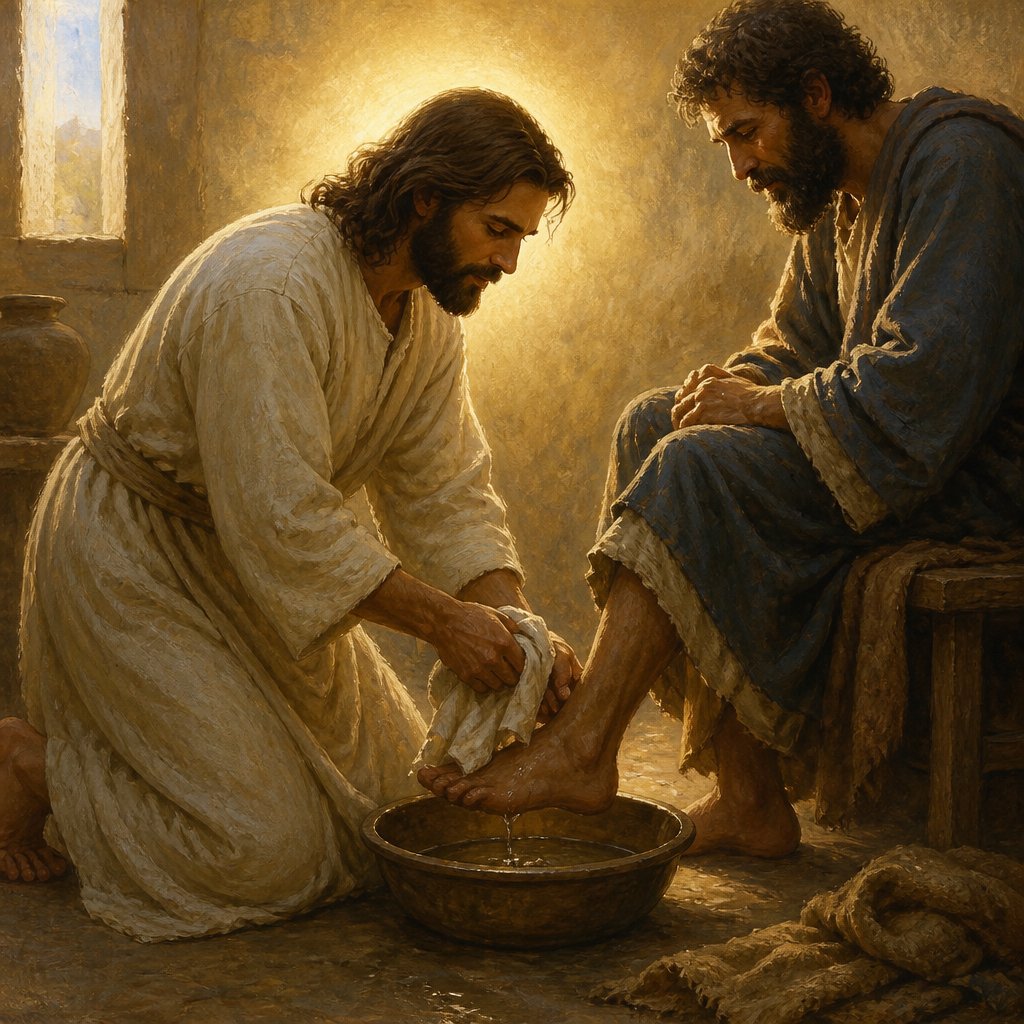
Philippians 2:5-7 in the King James Version (KJV) of the Bible reads:
"Let this mind be in you, which was also in Christ Jesus: Who, being in the form of God, thought it not robbery to be equal with God: But made himself of no reputation, and took upon him the form of a servant, and was made in the likeness of men."
This passage from the book of Philippians is a powerful and important statement about the nature of Jesus Christ and the example that he set for his followers. The verses encourage believers to adopt the same mindset that Jesus had, to emulate his selflessness and humility, and to understand the true nature of his divinity.
The context of this passage is important to understand its significance within the broader themes of the letter to the Philippians. The apostle Paul is writing to the church in Philippi from a prison, and he is urging them to maintain unity and humility in the face of internal strife and external persecution. In the verses leading up to this passage, Paul encourages the Philippians to have the same love, being of one accord, and of one mind, and to look not only for their own interests, but also for the interests of others. He points to the example of Christ as the ultimate model of humility and selflessness.
The first line of the passage, "Let this mind be in you, which was also in Christ Jesus," sets the tone for what follows. It calls for believers to have the same attitude and mindset as Christ, suggesting that this is the key to living a Christian life. The mind of Christ is one of humility, selflessness, and obedience to God's will.
The next line, "Who, being in the form of God, thought it not robbery to be equal with God," speaks to the divinity of Jesus. It acknowledges that Jesus was in the form or nature of God, and that he did not consider equality with God something to grasp or hold onto for his own benefit. This speaks to the eternal nature of Christ and his equality with God the Father.
The following line, "But made himself of no reputation, and took upon him the form of a servant, and was made in the likeness of men," contrasts the divinity of Christ with his decision to take on the humblest of forms. Despite being equal with God, Jesus willingly emptied himself of his glory and took on the role of a servant, becoming human in the process. This is a profound example of humility and self-sacrifice, as Jesus willingly set aside his divine privileges to serve humanity and to fulfill the will of God.
The themes of humility, selflessness, and obedience to God's will are central to these verses. They also emphasize the dual nature of Christ as both fully divine and fully human, a crucial aspect of Christian theology. The passage serves as a call to action for believers to embody the same mindset as Christ, to prioritize the needs of others over their own, and to humbly submit to God's will.
The symbolism in these verses is rich and multifaceted. Jesus as the form of God represents his divine nature and his equality with God the Father. His decision to take on the form of a servant and the likeness of men symbolizes his willingness to take on the lowest position and to identify with humanity in all its frailty and vulnerability. This act of humility and self-emptying is a powerful symbol of Christ's love for humanity and his ultimate sacrifice on the cross.
In conclusion, Philippians 2:5-7 is a profound and foundational passage in the New Testament that calls believers to emulate the attitude and mindset of Christ. It speaks to the divinity and humanness of Jesus, his selfless sacrifice, and the example that he set for his followers. The themes of humility, selflessness, and obedience are timeless and continue to resonate with Christians today. This passage serves as a reminder of the fundamental virtues of the Christian faith and the example that believers are called to follow.
Get our apps


Artwork for Philippians 2:5-7

Philippians 2:5-7 - "Let this mind be in you, which was also in Christ Jesus: Who, being in the form of God, thought it not robbery to be equal with God: But made himself of no reputation, and took upon him the form of a servant, and was made in the likeness of men:"
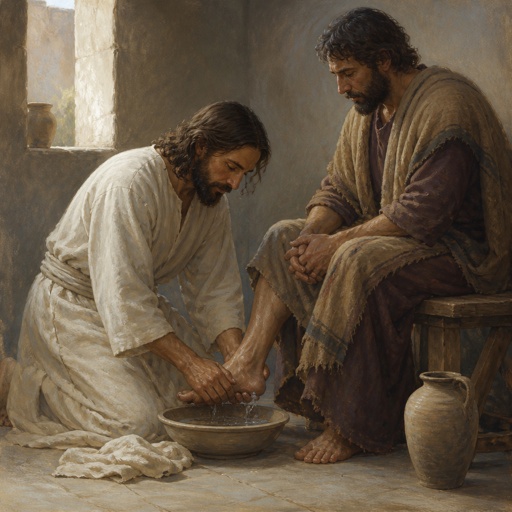
"Let this mind be in you, which was also in Christ Jesus: Who, being in the form of God, thought it not robbery to be equal with God: But made himself of no reputation, and took upon him the form of a servant, and was made in the likeness of men:" - Philippians 2:5-7

"Let this mind be in you, which was also in Christ Jesus: Who, being in the form of God, thought it not robbery to be equal with God: But made himself of no reputation, and took upon him the form of a servant, and was made in the likeness of men:" - Philippians 2:5-7

Philippians 2:7

Philippians 2:7

Philippians 2:7

Philippians 2:7

Philippians 2:5-18

Philippians 2:5-11

Philippians 2:5-18

Philippians 2:5 - "Let this mind be in you, which was also in Christ Jesus:"

Philippians 2:7 - "But made himself of no reputation, and took upon him the form of a servant, and was made in the likeness of men:"

"Let this mind be in you, which was also in Christ Jesus:" - Philippians 2:5

Philippians 4:7

philippians 4:7

philippians 4:7

Philippians 4:6-7

Philippians 4:6-7

"But made himself of no reputation, and took upon him the form of a servant, and was made in the likeness of men:" - Philippians 2:7

Philippians 4:4-7

Philippians 4:6-7

Philippians 4:6-7

Philippians 4:6-7

Philippians 2:2

"But made himself of no reputation, and took upon him the form of a servant, and was made in the likeness of men:" - Philippians 2:7

Philippians 1:5 - "For your fellowship in the gospel from the first day until now;"

Philippians 2:29

Philippians 2:3

Philippians 2:3

Philippians 3:2