What does Proverbs 12:9 mean?
“He that is despised, and hath a servant, is better than he that honoureth himself, and lacketh bread.” — Proverbs 12:9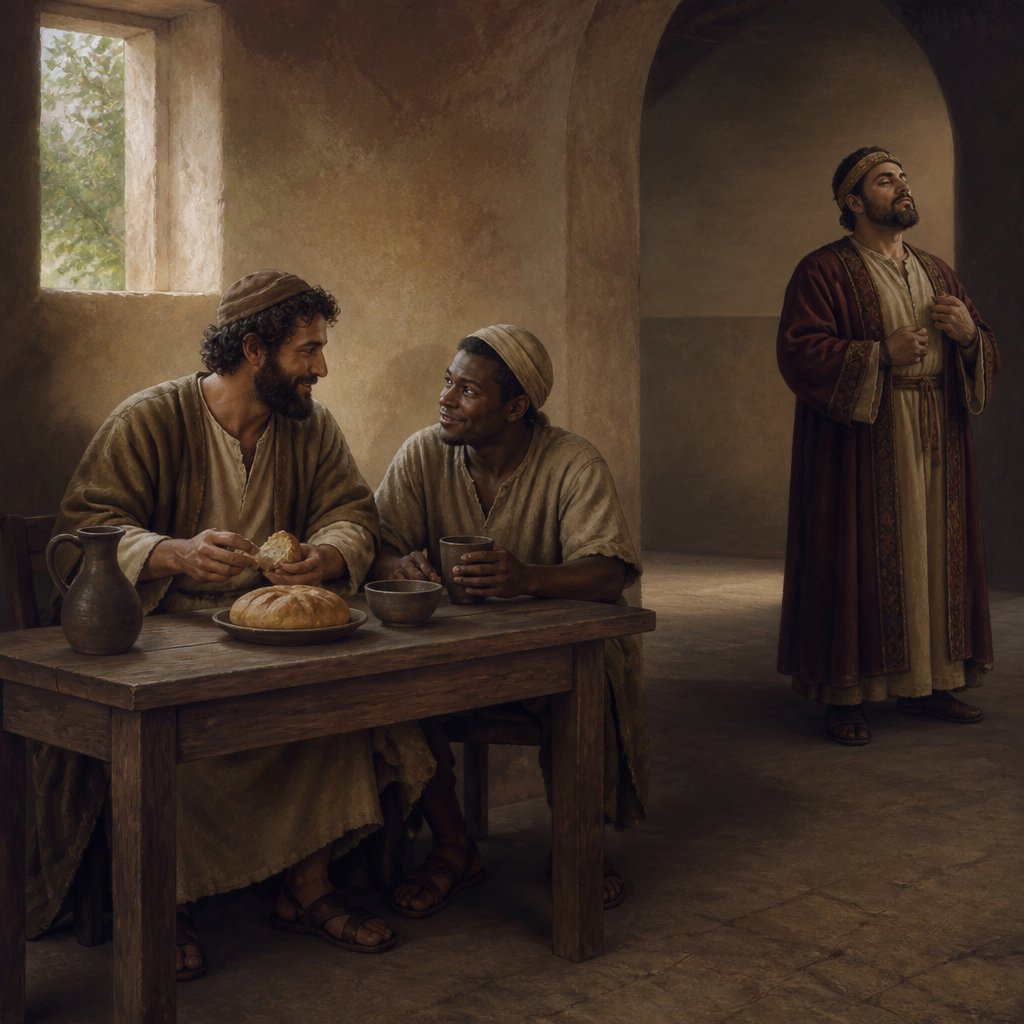
Proverbs 12:9 in the King James Version of the Bible states, "He that is despised, and hath a servant, is better than he that honoureth himself, and lacketh bread." This verse is a part of the book of Proverbs, which is a collection of wise sayings and teachings traditionally attributed to King Solomon. The book is known for its practical advice on living a righteous and wise life.
In this particular verse, the writer is contrasting two different individuals and highlighting the superiority of one over the other. The first individual is described as "he that is despised," which implies that this person is looked down upon or held in low esteem by others. This individual also has a servant, which signifies a level of wealth or status. Despite being despised, the person still has the means to have a servant, indicating a level of prosperity.
On the other hand, the second individual "honoureth himself" but "lacketh bread." This depicts a person who takes great pride in themselves and seeks honor and recognition from others. However, despite this self-honoring attitude, they are lacking the basic necessity of bread, signifying a state of poverty or lack.
The verse is teaching a valuable lesson about the priorities and values of life. It suggests that having material prosperity and resources, even if despised by others, is more desirable and commendable than seeking glory and honor but lacking essential provisions. This affirms the biblical principle that true wealth and prosperity are not found in external accolades or recognition, but in having one's basic needs met.
Furthermore, this verse can be interpreted metaphorically, with the despised individual representing humility and the lack of bread symbolizing a lack of worldly success or recognition. In contrast, the individual who honors themselves is depicted as lacking substance or true fulfillment despite seeking recognition and honor.
The verse draws attention to the idea of humility and the proper perspective on wealth and success. It encourages readers to prioritize practical needs and substance over the pursuit of honor and recognition. This aligns with other biblical teachings on the value of humility and contentment, such as the famous passage in Philippians 4:12 which states, "I know how to be abased, and I know how to abound: every where and in all things I am instructed both to be full and to be hungry, both to abound and to suffer need."
The broader context of the Proverbs emphasizes the importance of wisdom, righteousness, and the fear of the Lord in one's life. This verse fits within the overall theme of seeking wisdom and understanding in daily living and making choices that align with God's principles. It presents a contrast between worldly attitudes towards success and honor and the true values that are esteemed in the eyes of God.
Overall, Proverbs 12:9 offers a thought-provoking reflection on the nature of wealth, honor, and humility. It challenges readers to consider their priorities and the true source of fulfillment and prosperity in life. The verse encourages a shift in perspective from seeking external recognition to valuing practical provision and contentment. It is a reminder of the timeless wisdom found in the book of Proverbs and the enduring relevance of its teachings in guiding righteous and wise living.
Get our apps


Artwork for Proverbs 12:9

Proverbs 12:9 - "He that is despised, and hath a servant, is better than he that honoureth himself, and lacketh bread."
"He that is despised, and hath a servant, is better than he that honoureth himself, and lacketh bread." - Proverbs 12:9

Proverbs 9:12 - "If thou be wise, thou shalt be wise for thyself: but if thou scornest, thou alone shalt bear it."

prov 9:12

Ecclesiastes 12:9 - "And moreover, because the preacher was wise, he still taught the people knowledge; yea, he gave good heed, and sought out, and set in order many proverbs."

"If thou be wise, thou shalt be wise for thyself: but if thou scornest, thou alone shalt bear it." - Proverbs 9:12

proverbs 5:12

proverbs 5:12

Proverbs 12:5

Proverbs 22:9

Proverbs 12:12 - "The wicked desireth the net of evil men: but the root of the righteous yieldeth fruit."

proverbs 5:11-12

proverbs 5:11-12

Proverbs 3:9-10

Proverbs 9:9 - "Give instruction to a wise man, and he will be yet wiser: teach a just man, and he will increase in learning."

Proverbs 7:9 - "In the twilight, in the evening, in the black and dark night:"

Proverbs 12:5 - "The thoughts of the righteous are right: but the counsels of the wicked are deceit."

Proverbs 9:15 - "To call passengers who go right on their ways:"

Proverbs 12:7 - "The wicked are overthrown, and are not: but the house of the righteous shall stand."

Proverbs 12:28 - "In the way of righteousness is life; and in the pathway thereof there is no death."

Proverbs 24:9 - "The thought of foolishness is sin: and the scorner is an abomination to men."

Proverbs 9:6 - "Forsake the foolish, and live; and go in the way of understanding."

Proverbs 16:12 - "It is an abomination to kings to commit wickedness: for the throne is established by righteousness."

Proverbs 6:12 - "¶ A naughty person, a wicked man, walketh with a froward mouth."

Proverbs 29:12 - "If a ruler hearken to lies, all his servants are wicked."

Proverbs 9:13 - "A foolish woman is clamorous: she is simple, and knoweth nothing."

Proverbs 12:18 - "There is that speaketh like the piercings of a sword: but the tongue of the wise is health."

Proverbs 14:9 - "Fools make a mock at sin: but among the righteous there is favour."

Proverbs 9:10 - "The fear of the LORD is the beginning of wisdom: and the knowledge of the holy is understanding."

Proverbs 9:17 - "Stolen waters are sweet, and bread eaten in secret is pleasant."