What does Proverbs 14:10 mean?
"The heart knoweth his own bitterness; and a stranger doth not intermeddle with his joy." - Proverbs 14:10
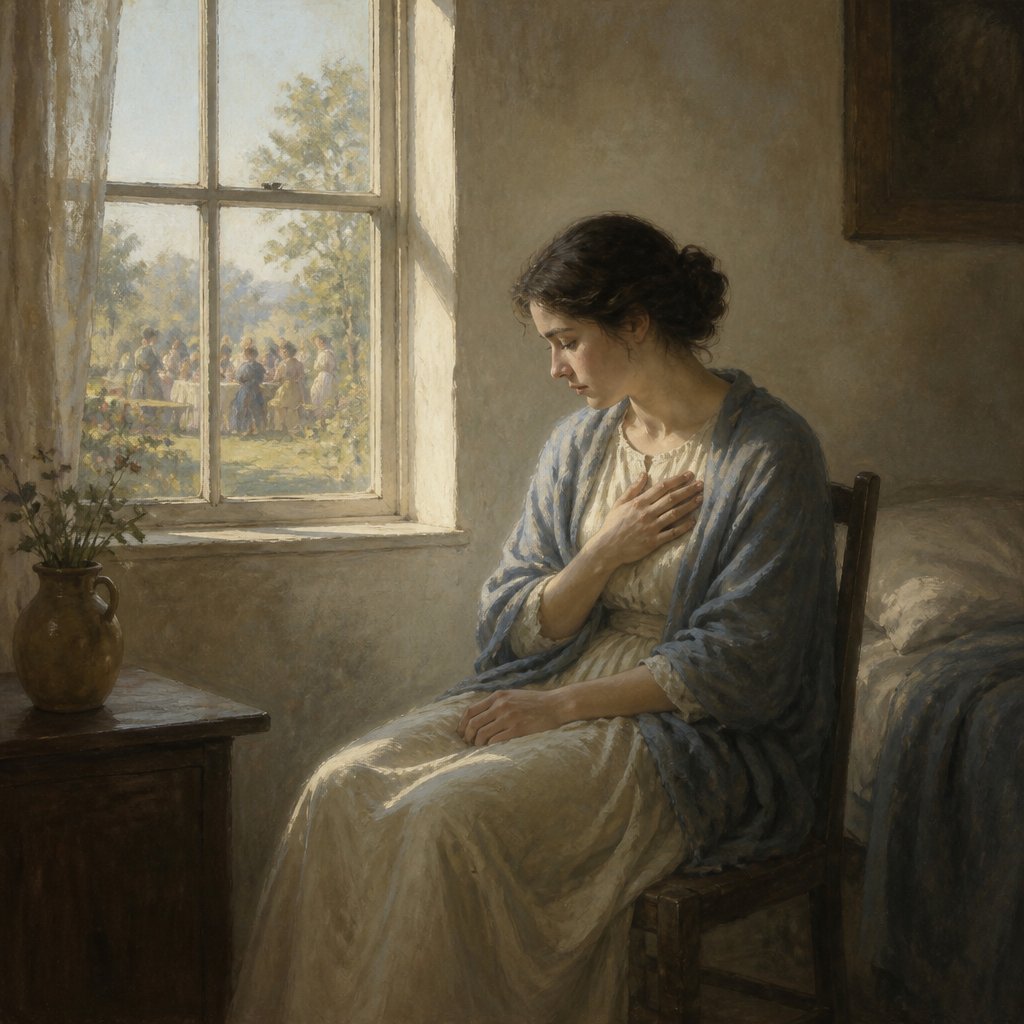
Proverbs 14:10 in the King James Version of the Bible states, "The heart knoweth his own bitterness, and a stranger doth not intermeddle with his joy." This verse delves into the deep and often complex emotions that reside within the human heart and the private nature of our personal experiences.
The theme of this verse centers around the idea of emotional autonomy and the understanding that each individual carries their own unique burdens and joys. The heart, in this context, symbolizes the seat of emotions and personal experiences. It is the repository of our deepest feelings, desires, and pain. The verse highlights the idea that only the individual truly knows the full extent of their own emotional struggles and sorrows. No outsider can fully comprehend the depths of another person's heartache or completely share in their joy.
The first part of the verse, "The heart knoweth his own bitterness," emphasizes the internal nature of suffering. It acknowledges the personal and often solitary nature of pain and sorrow. Each person's experiences and struggles are their own, and only they can fully understand the weight of their emotions. This speaks to the inherent loneliness that can come with certain emotional experiences, as well as the need for empathy and understanding from others.
On the other hand, the second part of the verse, "and a stranger doth not intermeddle with his joy," highlights the exclusive nature of joy and happiness. It suggests that outsiders cannot fully partake in another person's joy. This can be viewed as a poignant reminder that while we can share in the happiness of others, we can never fully experience the depth and personal significance of their joy in the same way that they do.
The verse also touches on the concept of boundaries and respect for personal experiences. It encourages individuals to recognize and honor the autonomy of others' emotions, as well as their own. It reminds us to be mindful of not intruding on someone else's emotional space, whether it be in times of sorrow or joy.
From a broader context, this verse speaks to the human experience as a whole. It acknowledges the richness and complexity of human emotions and the depth of our personal experiences. It encourages empathy, understanding, and respect for the individuality of each person's emotional journey.
Symbolically, the verse uses the heart as a central metaphor for our innermost feelings and experiences. The heart represents the depths of our emotions and the core of our being. Bitterness and joy are powerful and deeply personal emotions, and the verse underscores the intimate nature of these experiences.
Overall, Proverbs 14:10 invites contemplation on the nature of human emotions and the importance of empathy and respect for the personal experiences of others. It serves as a reminder of the complexity and individuality of our internal world and encourages us to approach others with sensitivity and understanding.
Have questions about Proverbs 14:10?
Dive deeper into this scripture with Bible Chat — an AI-powered tool for exploring God's Word through conversation. Ask questions, get context, and grow in your understanding of the Bible.
Get Our Apps


Proverbs 14:10 Artwork

Proverbs 14:10 - "The heart knoweth his own bitterness; and a stranger doth not intermeddle with his joy."
"The heart knoweth his own bitterness; and a stranger doth not intermeddle with his joy." - Proverbs 14:10

Proverbs 10:14 - "Wise men lay up knowledge: but the mouth of the foolish is near destruction."

"Wise men lay up knowledge: but the mouth of the foolish is near destruction." - Proverbs 10:14

Proverbs 10

Proverbs 18 10

Proverbs 18 10

Proverbs 10:10 - "He that winketh with the eye causeth sorrow: but a prating fool shall fall."

Proverbs 10:1 - "The proverbs of Solomon. A wise son maketh a glad father: but a foolish son is the heaviness of his mother."

Proverbs 14:14 - "The backslider in heart shall be filled with his own ways: and a good man shall be satisfied from himself."

Proverbs 3:9-10

Proverbs 5:14 - "I was almost in all evil in the midst of the congregation and assembly."

Proverbs 14:18 - "The simple inherit folly: but the prudent are crowned with knowledge."

Proverbs 14:24 - "The crown of the wise is their riches: but the foolishness of fools is folly."

Proverbs 14:13 - "Even in laughter the heart is sorrowful; and the end of that mirth is heaviness."

Proverbs 14:30 - "A sound heart is the life of the flesh: but envy the rottenness of the bones."

Proverbs 14:19 - "The evil bow before the good; and the wicked at the gates of the righteous."

Proverbs 4:14 - "¶ Enter not into the path of the wicked, and go not in the way of evil men."

Proverbs 14:9 - "Fools make a mock at sin: but among the righteous there is favour."

Proverbs 14:5 - "A faithful witness will not lie: but a false witness will utter lies."

Proverbs 11:14 - "Where no counsel is, the people fall: but in the multitude of counsellors there is safety."

Proverbs 2:14 - "Who rejoice to do evil, and delight in the frowardness of the wicked;"

Proverbs 14:34 - "Righteousness exalteth a nation: but sin is a reproach to any people."

Proverbs 16:14 - "The wrath of a king is as messengers of death: but a wise man will pacify it."

Proverbs 23:10 - "Remove not the old landmark; and enter not into the fields of the fatherless:"

Proverbs 14:8 - "The wisdom of the prudent is to understand his way: but the folly of fools is deceit."

Proverbs 14:11 - "The house of the wicked shall be overthrown: but the tabernacle of the upright shall flourish."

Proverbs 14:25 - "A true witness delivereth souls: but a deceitful witness speaketh lies."

Proverbs 13:14 - "The law of the wise is a fountain of life, to depart from the snares of death."

Proverbs 14:23 - "In all labour there is profit: but the talk of the lips tendeth only to penury."