What does Proverbs 14:20 mean?
"The poor is hated even of his own neighbour: but the rich hath many friends." - Proverbs 14:20
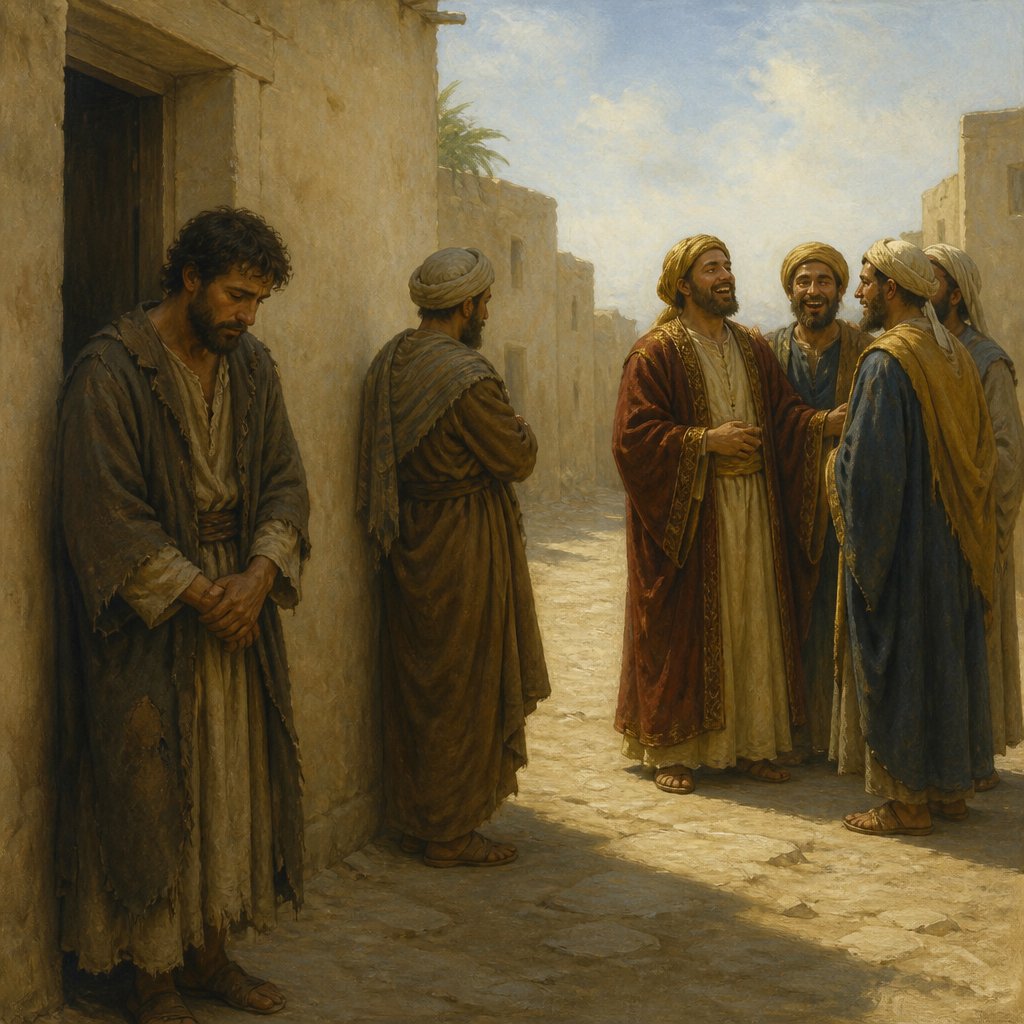
Proverbs 14:20 in the King James Version of the Bible states, "The poor is hated even of his own neighbor: but the rich hath many friends." This verse speaks to the harsh reality of human nature and the unequal treatment of individuals based on their wealth and social status.
The theme of this verse revolves around the issues of wealth, inequality, and the value society places on material possessions. It serves as a commentary on the social dynamics that exist between the rich and the poor, highlighting the disparity in the way they are perceived and treated by others. The contrast between the poor, who is despised even by their neighbors, and the rich, who have many friends, reflects the pervasive societal bias that elevates the wealthy and marginalizes the poor.
The context of this verse is important for understanding its significance within the larger scope of the book of Proverbs. Proverbs is a collection of wisdom literature that offers practical guidance for living a moral and upright life. It emphasizes the importance of seeking wisdom, practicing virtue, and living in accordance with God's will. In the case of Proverbs 14:20, the verse serves as a caution against the dangers of favoritism and discrimination based on social status. It encourages readers to consider the implications of their attitudes towards wealth and poverty, and to strive for a more just and compassionate society.
The symbolism in this verse lies in the contrasting images of the poor and the rich. The poor is depicted as being hated and isolated, even by those who live in close proximity, while the rich is portrayed as being surrounded by a multitude of friends. This imagery serves to underscore the stark division between the two social classes and the disparity in the way they are treated. The poor symbolize those who are marginalized and oppressed, while the rich symbolize those who are privileged and influential. This serves as a powerful metaphor for the broader societal dynamics of wealth and power, highlighting the unequal distribution of resources and opportunities.
At its core, Proverbs 14:20 speaks to the fundamental principles of justice and fairness. It challenges the reader to confront their own biases and prejudices, and to consider the ethical implications of their attitudes towards those who are less fortunate. It serves as a reminder of the importance of empathy and compassion, and the need to actively work towards creating a more equitable and inclusive society.
In conclusion, Proverbs 14:20 offers a profound commentary on the societal attitudes towards wealth and poverty. It highlights the unequal treatment of the poor and the rich, and serves as a call to action for greater empathy and understanding. As part of the larger wisdom literature found in the book of Proverbs, this verse serves as a valuable reminder of the importance of justice, fairness, and compassion in our interactions with others. It challenges us to examine our own attitudes and behaviors, and to strive for a society that is more equitable and inclusive for all.
Have questions about Proverbs 14:20?
Dive deeper into this scripture with Bible Chat — an AI-powered tool for exploring God's Word through conversation. Ask questions, get context, and grow in your understanding of the Bible.
Get Our Apps


Proverbs 14:20 Artwork

Proverbs 14:20 - "The poor is hated even of his own neighbour: but the rich hath many friends."
"The poor is hated even of his own neighbour: but the rich hath many friends." - Proverbs 14:20

Proverbs 20:14 - "It is naught, it is naught, saith the buyer: but when he is gone his way, then he boasteth."
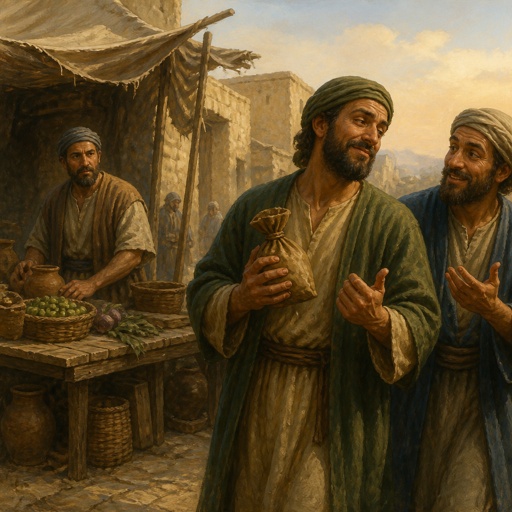
"It is naught, it is naught, saith the buyer: but when he is gone his way, then he boasteth." - Proverbs 20:14

proverbs 1:20

proverbs 1:20

proverbs 1:20

proverbs 1:20

proverbs 1:20

proverbs 1:20

proverbs 1:20

proverbs 1:20

proverbs 1:20

proverbs 1:20

proverbs 1:20

Proverbs 1:20

proverbs 1:20

proverbs 1:20

proverbs 1:20

proverbs 1:20

proverbs 1:20

proverbs 1:20

proverbs 1:20

proverbs 1:20

proverbs 1:20

proverbs 1:20

proverbs 1:20

proverbs 1:20

proverbs 1:20

proverbs 1:20