What does Proverbs 14:21 mean?
“He that despiseth his neighbour sinneth: but he that hath mercy on the poor, happy is he.” — Proverbs 14:21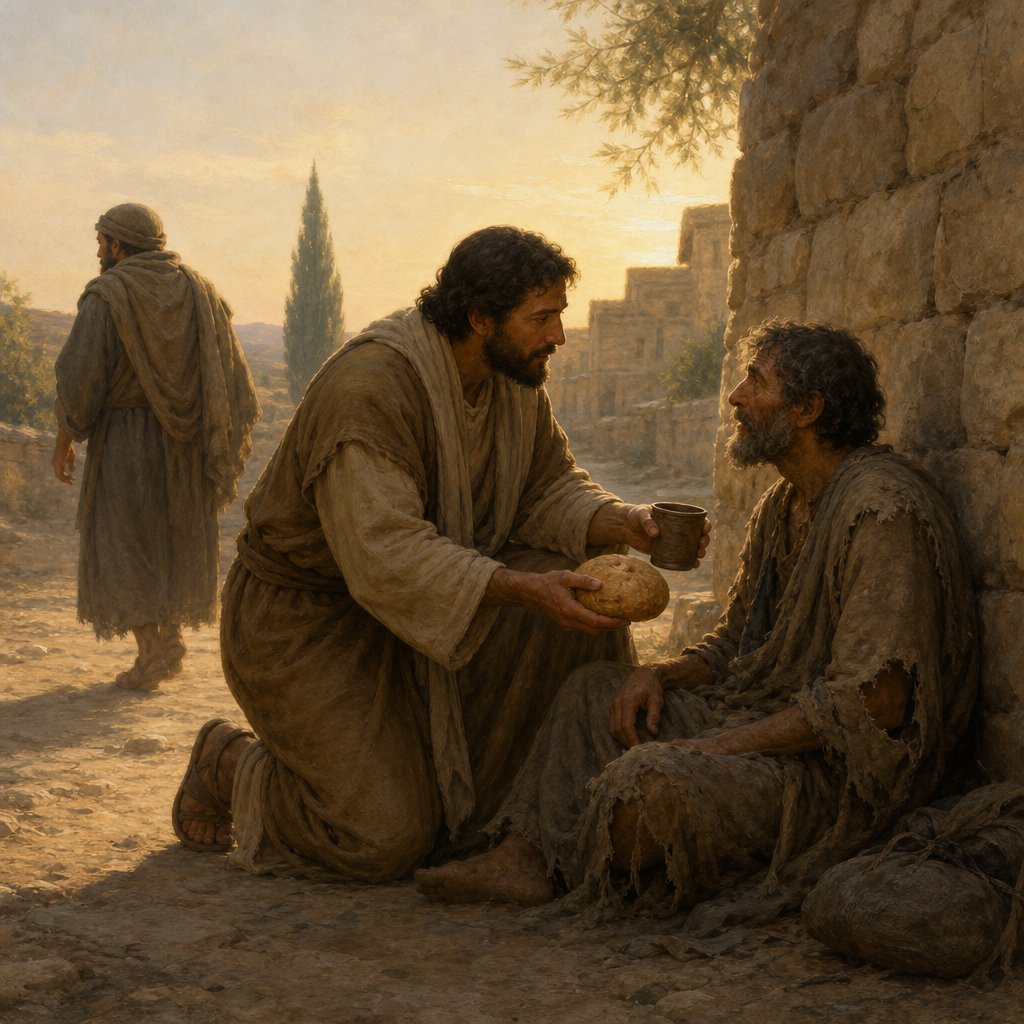
Proverbs 14:21 in the King James Version of the Bible states, "He that despiseth his neighbor sinneth: but he that hath mercy on the poor, happy is he." This verse is a powerful reminder of the importance of showing compassion and kindness towards others, especially those who are in need. In this commentary, we will explore the themes, context, and symbolism of this verse to gain a deeper understanding of its meaning and significance.
One of the key themes present in Proverbs 14:21 is the idea of compassion and empathy towards others. The verse emphasizes the sinfulness of despising or looking down on one's neighbor. This speaks to the importance of treating others with respect and dignity, regardless of their social status or circumstances. The second part of the verse highlights the concept of showing mercy to the poor, and the resulting happiness that comes from demonstrating kindness and generosity towards those who are less fortunate. This theme aligns with the broader biblical teachings on love, compassion, and social justice, emphasizing the moral obligation to care for the vulnerable and marginalized members of society.
The context of Proverbs 14:21 within the book of Proverbs is also significant in understanding its meaning. Proverbs is a collection of wisdom literature that offers practical and ethical guidance for living a righteous and virtuous life. The verse is situated within a section of the book that addresses the importance of righteousness and the consequences of both wickedness and righteousness. This particular verse serves as a moral exhortation, urging the reader to consider their attitudes and actions towards their neighbors and the poor. It underscores the need for a heart of kindness and compassion, in contrast to the sinfulness of disdain and indifference towards others.
Symbolism is also present in Proverbs 14:21, particularly in the contrast between despising one's neighbor and showing mercy to the poor. The neighbor symbolizes those around us, whether they are friends, family members, or strangers. The act of despising them represents a rejection of their worth and dignity, while showing mercy to the poor symbolizes recognizing and responding to their needs with compassion and generosity. The symbolism in this verse serves to illustrate the broader moral principles of love for neighbor, empathy for the less fortunate, and the interconnection between our relationships with others and our moral well-being.
In summary, Proverbs 14:21 conveys a profound moral message about the importance of treating others with kindness and compassion. It emphasizes the sinfulness of despising one's neighbor and highlights the happiness that comes from showing mercy to the poor. The verse is situated within the context of the book of Proverbs, a collection of wisdom literature that provides ethical guidance for righteous living. Its themes of compassion, empathy, and social justice are reinforced through its symbolism, emphasizing the moral imperative to care for others and the positive impact this has on one's own happiness and spiritual well-being.
Get our apps


Artwork for Proverbs 14:21

Proverbs 14:21 - "He that despiseth his neighbour sinneth: but he that hath mercy on the poor, happy is he."

"He that despiseth his neighbour sinneth: but he that hath mercy on the poor, happy is he." - Proverbs 14:21
"He that despiseth his neighbour sinneth: but he that hath mercy on the poor, happy is he." - Proverbs 14:21

Proverbs 21:14 - "A gift in secret pacifieth anger: and a reward in the bosom strong wrath."
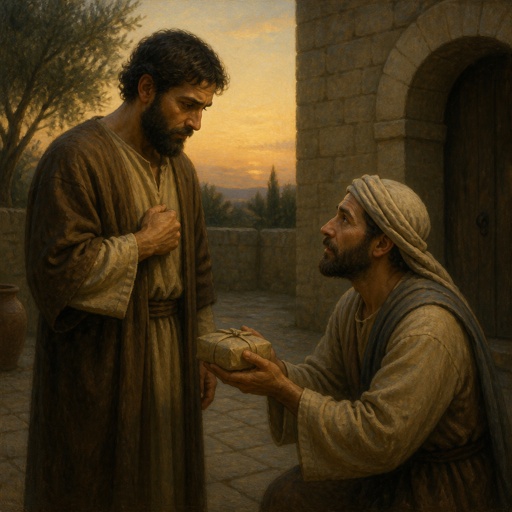
"A gift in secret pacifieth anger: and a reward in the bosom strong wrath." - Proverbs 21:14

Proverbs 18:21

Proverbs 18:21

Proverbs 18:21

Proverbs 18:21

Proverbs 18:21

Proverbs 18:21

Proverbs 18:21

Proverbs 18:21

Proverbs 18:21

Proverbs 18:21
Proverbs 18:21

Proverbs 18:21

proverbs 21 7

Proverbs 31:21

Proverbs 21:21 - "He that followeth after righteousness and mercy findeth life, righteousness, and honour."

Proverbs 21:18 - "The wicked shall be a ransom for the righteous, and the transgressor for the upright."

Proverbs 21:25 - "The desire of the slothful killeth him; for his hands refuse to labour."

Proverbs 2:21 - "For the upright shall dwell in the land, and the perfect shall remain in it."

Proverbs 21:30 - "There is no wisdom nor understanding nor counsel against the LORD."

Proverbs 13:21 - "Evil pursueth sinners: but to the righteous good shall be repayed."

Proverbs 21:31 - "The horse is prepared against the day of battle: but safety is of the LORD."

Proverbs 21:19 - "It is better to dwell in the wilderness, than with a contentious and an angry woman."

Proverbs 21:4 - "An high look, and a proud heart, and the plowing of the wicked, is sin."

Proverbs 14:14 - "The backslider in heart shall be filled with his own ways: and a good man shall be satisfied from himself."

Proverbs 30:21 - "For three things the earth is disquieted, and for four which it cannot bear:"