What does Proverbs 14:26 mean?
"In the fear of the LORD is strong confidence: and his children shall have a place of refuge." - Proverbs 14:26
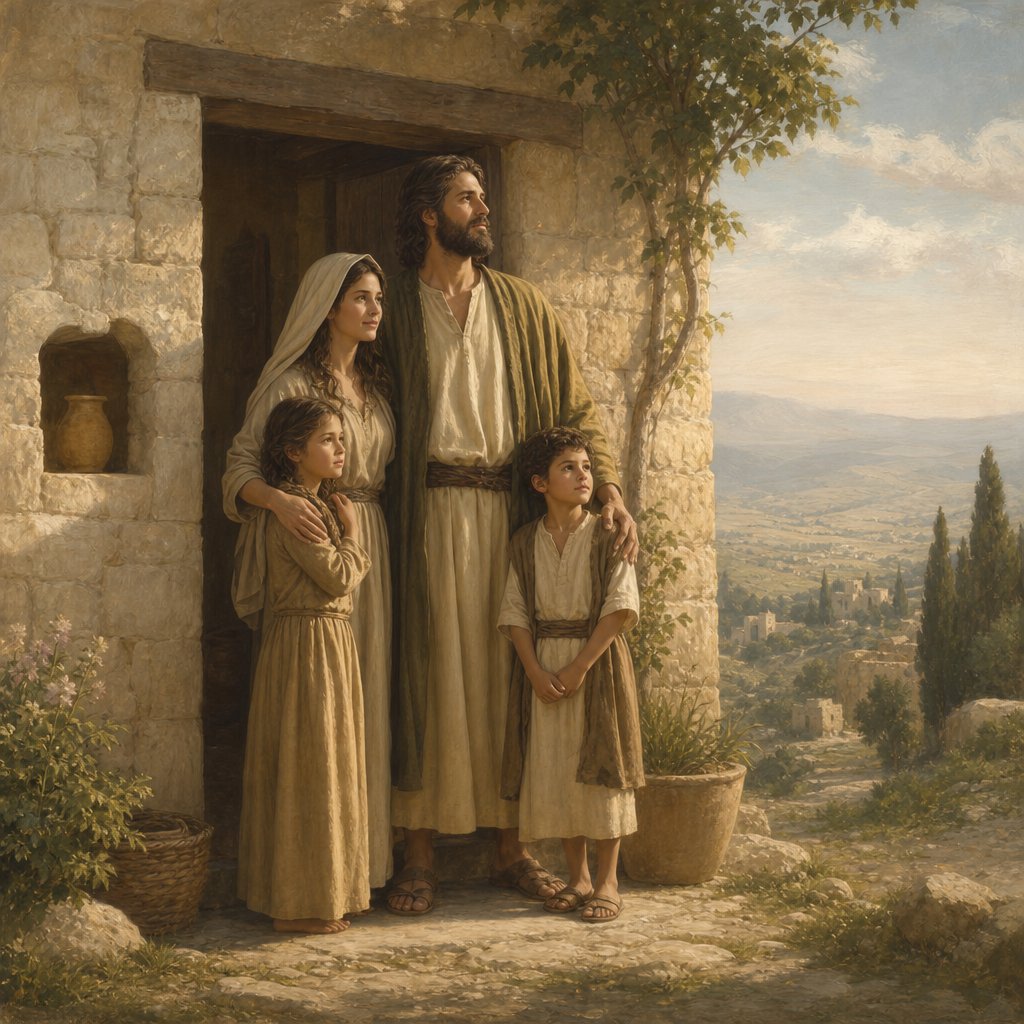
“Proverbs 14:26” in the King James Version reads, “In the fear of the LORD is strong confidence: and his children shall have a place of refuge.”
In its plain sense, the verse declares that “the fear of the LORD” produces “strong confidence,” and that this reverent posture toward God does not end with the individual, but extends in blessing and security to “his children,” who “shall have a place of refuge.” The proverb is intentionally paradoxical to natural thinking: fear is commonly associated with anxiety and shrinking back, yet here “fear” is the very soil in which confidence grows. The key is what Scripture means by “the fear of the LORD.” In Proverbs, this fear is not mere dread of punishment, but a reverent awe that recognizes God as holy, sovereign, and morally absolute, and therefore treats His word as weighty and binding. It is the mindset that bows the will, restrains sin, seeks wisdom, and trusts God’s rule over the world. Because that fear anchors a person to what is ultimate and unshakable—God Himself—it yields not fragility, but “strong confidence.” The confidence is “strong” precisely because it is not self-generated. It is not bravado, not the optimism of circumstances, and not the security of wealth or human power, but the settled assurance that comes from standing in right relation to the Lord.
The surrounding context in Proverbs 14 emphasizes the contrast between wisdom and folly, stability and ruin, the inner condition of the heart and the visible outcomes of life. Proverbs is not written as a collection of abstract doctrines so much as compressed observations about how God’s moral order works in daily living. In that setting, “fear of the LORD” functions as a foundational principle: the wise person’s life is built on reverence for God, and that reverence becomes a practical shelter in a world of instability. Many confidences collapse—confidence in one’s own understanding, in social approval, in possessions, in strength—but reverence for God produces a confidence that endures because it is aligned with the way things truly are under God’s governance.
The verse also carries a generational theme. It does not say merely that the God-fearing person will find refuge, but that “his children shall have a place of refuge.” In Proverbs, children often represent both literal offspring and the broader fruit of a person’s life. The proverb points to the reality that reverence for God tends to build a household, a legacy, and an environment in which others are safer. A parent who lives under God’s authority and wisdom is more likely to cultivate stability, integrity, restraint, and compassion—qualities that become a kind of refuge for children amid the dangers of sin, chaos, and poor counsel. At the same time, the wording implies that God’s providential care rests upon those connected to the God-fearing person; the Lord’s protection is pictured as something into which the children can enter. The verse does not promise that believers’ children will never face trouble, but it does present God as the ultimate shelter available to a family ordered by reverence for Him.
The symbolism of “refuge” is especially significant. In the Bible, a refuge is not merely a pleasant place; it is a protective stronghold, a shelter from threat, a safe haven when danger is real. The proverb suggests that the world is spiritually hazardous and morally stormy, and that human life requires a shelter beyond human strength. “Place of refuge” evokes the image of a secure hiding place or fortress—something dependable when circumstances become hostile. By pairing “strong confidence” with “place of refuge,” the verse ties inner assurance to outer safety: reverence toward God steadies the heart and provides shelter. The refuge is not ultimately the home, the parent, or the community, but the Lord Himself, who becomes the reliable protection that surrounds and outlasts all lesser securities.
The significance of the verse, then, is that it redefines confidence. True confidence is not the absence of fear in the modern sense, but the presence of the right fear: awe-filled reverence toward the LORD that displaces lesser fears and steadies the soul. It also redefines inheritance. The greatest bequest to “his children” is not merely material provision but a “place of refuge,” a life oriented toward God in which God’s protecting presence is known and sought. In a single sentence, Proverbs 14:26 teaches that reverence for the LORD is not a constricting bondage but a liberating security, producing a courage that can endure, and a shelter that can be shared.
Have questions about Proverbs 14:26?
Dive deeper into this scripture with Bible Chat — an AI-powered tool for exploring God's Word through conversation. Ask questions, get context, and grow in your understanding of the Bible.
Get Our Apps


Proverbs 14:26 Artwork

Proverbs 14:26 - "In the fear of the LORD is strong confidence: and his children shall have a place of refuge."
"In the fear of the LORD is strong confidence: and his children shall have a place of refuge." - Proverbs 14:26
!["In the fear of the LORD [is] strong confidence: and his children shall have a place of refuge." - Proverbs 14:26](https://media.bible.art/a70cafcd-0840-4cd7-8318-dee0f8ed2229-thumbnail.jpg)
"In the fear of the LORD [is] strong confidence: and his children shall have a place of refuge." - Proverbs 14:26
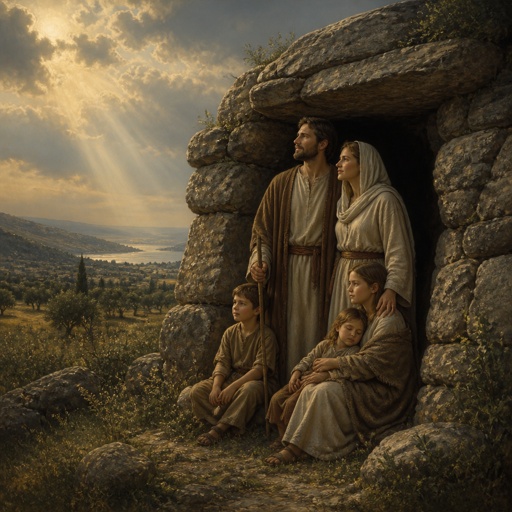
"In the fear of the LORD is strong confidence: and his children shall have a place of refuge." - Proverbs 14:26

Proverbs 26:14 - "As the door turneth upon his hinges, so doth the slothful upon his bed."
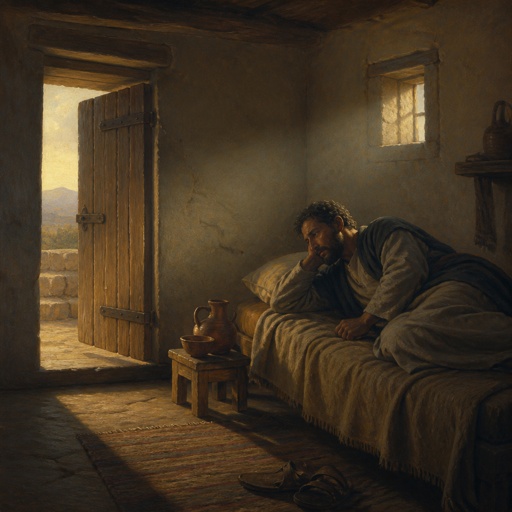
"As the door turneth upon his hinges, so doth the slothful upon his bed." - Proverbs 26:14

Proverbs 7:26

Proverbs 26:26 - "Whose hatred is covered by deceit, his wickedness shall be shewed before the whole congregation."

Proverbs 7:26-27

Proverbs 26:14-16 - "As a door turns on its hinges, so does a sluggard on his bed. The sluggard buries his hand in the dish; it wearies him to bring it back to his mouth. The sluggard is wiser in his own eyes than seven men who can answer sensibly."

Proverbs 30:26 - "The conies are but a feeble folk, yet make they their houses in the rocks;"

Proverbs 27:26 - "The lambs are for thy clothing, and the goats are the price of the field."

Proverbs 26:18 - "As a mad man who casteth firebrands, arrows, and death,"

Proverbs 26:7 - "The legs of the lame are not equal: so is a parable in the mouth of fools."

Proverbs 26:3 - "A whip for the horse, a bridle for the ass, and a rod for the fool's back."

Proverbs 26:13 - "The slothful man saith, There is a lion in the way; a lion is in the streets."

Proverbs 15:26 - "The thoughts of the wicked are an abomination to the LORD: but the words of the pure are pleasant words."

Proverbs 16:26 - "He that laboureth laboureth for himself; for his mouth craveth it of him."

Proverbs 20:26 - "A wise king scattereth the wicked, and bringeth the wheel over them."

Proverbs 26:1 - "As snow in summer, and as rain in harvest, so honour is not seemly for a fool."

Proverbs 26:22 - "The words of a talebearer are as wounds, and they go down into the innermost parts of the belly."

Proverbs 22:26 - "Be not thou one of them that strike hands, or of them that are sureties for debts."

Proverbs 17:26 - "Also to punish the just is not good, nor to strike princes for equity."

Proverbs 26:28 - "A lying tongue hateth those that are afflicted by it; and a flattering mouth worketh ruin."

Proverbs 4:26 - "Ponder the path of thy feet, and let all thy ways be established."

Proverbs 24:26 - "Every man shall kiss his lips that giveth a right answer."

Proverbs 26:8 - "As he that bindeth a stone in a sling, so is he that giveth honour to a fool."

Proverbs 26:23 - "Burning lips and a wicked heart are like a potsherd covered with silver dross."

Proverbs 31:26 - "She openeth her mouth with wisdom; and in her tongue is the law of kindness."

Proverbs 26:2 - "As the bird by wandering, as the swallow by flying, so the curse causeless shall not come."