What does Proverbs 15:29 mean?
“The LORD is far from the wicked: but he heareth the prayer of the righteous.” — Proverbs 15:29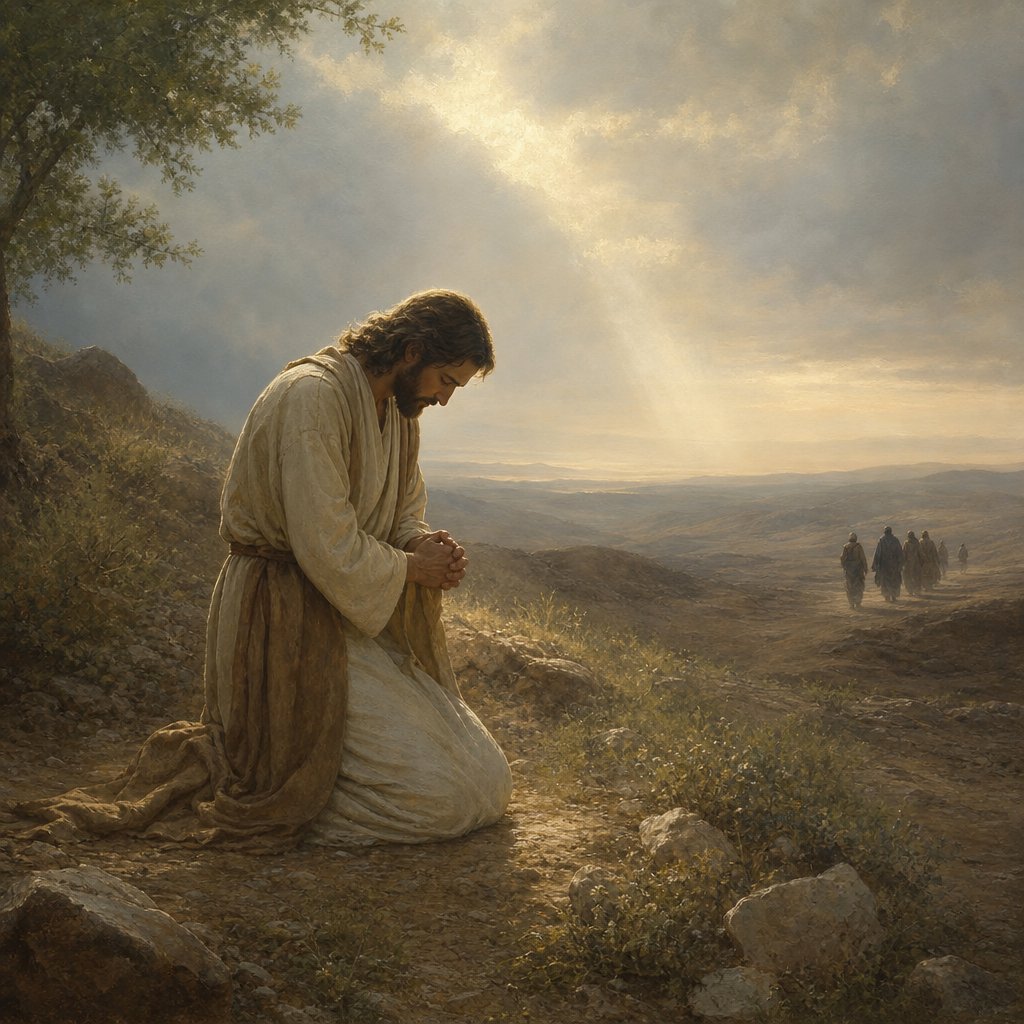
“Proverbs 15:29” in the King James Version reads, “The LORD is far from the wicked: but he heareth the prayer of the righteous.” In a single balanced sentence, the proverb sets two lives side by side and shows what each life experiences in relation to God. It is not merely describing distance and nearness in a physical sense, but revealing a moral and spiritual reality: a person’s posture toward righteousness or wickedness determines the kind of fellowship he enjoys with the LORD and the kind of access he has in prayer.
In the immediate context of Proverbs 15, Solomon’s sayings repeatedly contrast the way of the wise with the way of the foolish, the wholesome tongue with the perverse tongue, humility with pride, correction received with correction despised. The chapter turns again and again on the theme that life is lived before the LORD, and that what appears small—words spoken, attitudes held, choices made—has weight with God. Verse 29 fits this pattern by bringing the discussion to its deepest point: behind outward conduct stands a relationship with God Himself. Proverbs is not only practical advice for social harmony; it is wisdom under the “fear of the LORD,” and this verse shows that the LORD is not indifferent to the moral direction of a person’s life.
“The LORD is far from the wicked” is symbolic language expressing estrangement, not ignorance. In Scripture the LORD sees all, yet He is “far” in the sense of fellowship withheld, favor not granted, and communion obstructed. “Far” suggests that the wicked person may continue in religious speech or routine, but without the warmth of God’s approving presence. It also hints at the inward isolation sin produces: wickedness is not merely wrongdoing, but a settled bent away from God’s order. The proverb does not portray the LORD as reluctant to hear in the sense of being unable; rather, it portrays Him as morally opposed to wickedness, so that the wicked do not enjoy the liberty of closeness that belongs to those who walk uprightly. In the wisdom literature, “the wicked” are not simply people who occasionally stumble, but those who resist reproof, love evil, and choose a path that contradicts the LORD’s ways.
“But he heareth the prayer of the righteous” is the bright counterpoint. The word “but” marks a decisive contrast: where the wicked experience God as “far,” the righteous experience Him as attentive. To say that He “heareth” does not reduce prayer to a mere ritual that guarantees outcomes on demand; it speaks of welcome, regard, and covenantal favor. The righteous are those who fear the LORD, receive instruction, and seek to walk in His ways. Their righteousness is not presented here as sinless perfection, but as a genuine orientation of life toward what God calls right. In Proverbs, the “righteous” are those who love truth, practice justice, and respond to correction. Such a person’s prayer is not an attempt to use God; it is the speech of one who lives in fellowship with Him. The proverb therefore ties prayer to character. It implies that prayer is not only about the words spoken in a moment, but also about the life that stands behind those words.
The themes gathered into this verse are weighty. One theme is divine moral government: God’s relationship to people is not random, and He is not equally aligned with opposing ways of life. Another theme is the seriousness of wickedness: it creates distance, not because God is absent from the world, but because wickedness places a person at odds with God’s holiness. Another theme is the privilege of righteousness: communion with God, expressed especially in prayer, is part of the blessing of walking in His ways. This is also a wisdom theme about realities that cannot be manipulated. The proverb does not say the LORD hears the prayer of the skilled speaker, the loud voice, or the publicly impressive worshipper; it says He hears the prayer of the righteous. The listening ear of God is presented as a moral reality, not a mechanical one.
There is also an implied warning and invitation. The warning is that a person can live in a way that makes God “far,” and still go on living as though nothing is wrong; yet heaven is not indifferent. The invitation is that the path of righteousness is not cold duty but relational nearness: a life aligned with God’s will brings with it a God who “heareth.” In this way, Proverbs 15:29 is significant because it turns everyday wisdom into a question of communion. It teaches that the deepest issue behind the use of the tongue, the acceptance of correction, the pursuit of humility, and the choices of the heart is whether one is living as the wicked or as the righteous—and that difference is felt most plainly when one prays.
Get our apps


Artwork for Proverbs 15:29

Proverbs 15:29 - "The LORD is far from the wicked: but he heareth the prayer of the righteous."
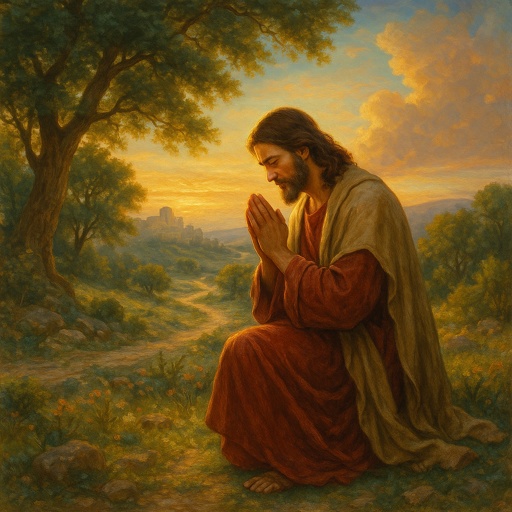
"The LORD is far from the wicked: but he heareth the prayer of the righteous." - Proverbs 15:29
"The LORD is far from the wicked: but he heareth the prayer of the righteous." - Proverbs 15:29

Proverbs 29:15 - "The rod and reproof give wisdom: but a child left to himself bringeth his mother to shame."

Proverbs 29:15 - "The rod and reproof give wisdom: but a child left to himself bringeth his mother to shame."
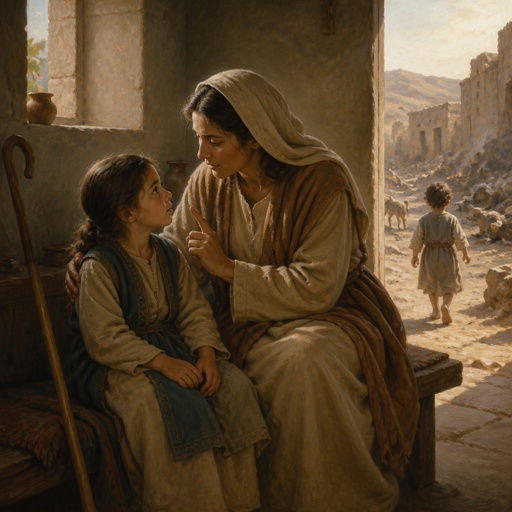
"The rod and reproof give wisdom: but a child left to himself bringeth his mother to shame." - Proverbs 29:15

Proverbs 19:29 - "Judgments are prepared for scorners, and stripes for the back of fools."

Proverbs 1:29 - "For that they hated knowledge, and did not choose the fear of the LORD:"

Proverbs 29:10 - "The bloodthirsty hate the upright: but the just seek his soul."

Proverbs 29:12 - "If a ruler hearken to lies, all his servants are wicked."

Proverbs 29:7 - "The righteous considereth the cause of the poor: but the wicked regardeth not to know it."

Proverbs 29:5 - "A man that flattereth his neighbour spreadeth a net for his feet."

Proverbs 10:29 - "The way of the LORD is strength to the upright: but destruction shall be to the workers of iniquity."

Proverbs 29:4 - "The king by judgment establisheth the land: but he that receiveth gifts overthroweth it."

Proverbs 29:6 - "In the transgression of an evil man there is a snare: but the righteous doth sing and rejoice."

Proverbs 29:19 - "A servant will not be corrected by words: for though he understand he will not answer."

Proverbs 20:29 - "The glory of young men is their strength: and the beauty of old men is the gray head."

Proverbs 29:14 - "The king that faithfully judgeth the poor, his throne shall be established for ever."

Proverbs 30:29 - "There be three things which go well, yea, four are comely in going:"

Proverbs 29:16 - "When the wicked are multiplied, transgression increaseth: but the righteous shall see their fall."

Proverbs 29:13 - "The poor and the deceitful man meet together: the LORD lighteneth both their eyes."

Proverbs 29:27 - "An unjust man is an abomination to the just: and he that is upright in the way is abomination to the wicked."

Proverbs 31:29 - "Many daughters have done virtuously, but thou excellest them all."

Proverbs 29:22 - "An angry man stirreth up strife, and a furious man aboundeth in transgression."

Proverbs 29:18 - "Where there is no vision, the people perish: but he that keepeth the law, happy is he."

Proverbs 16:29 - "A violent man enticeth his neighbour, and leadeth him into the way that is not good."

Joshua 15:29 - "Baalah, and Iim, and Azem,"
Proverbs 3:29 - "Devise not evil against thy neighbour, seeing he dwelleth securely by thee."

Proverbs 29:26 - "Many seek the ruler's favour; but every man's judgment cometh from the LORD."

Proverbs 29:8 - "Scornful men bring a city into a snare: but wise men turn away wrath."