What does Proverbs 17:10 mean?
“A reproof entereth more into a wise man than an hundred stripes into a fool.” — Proverbs 17:10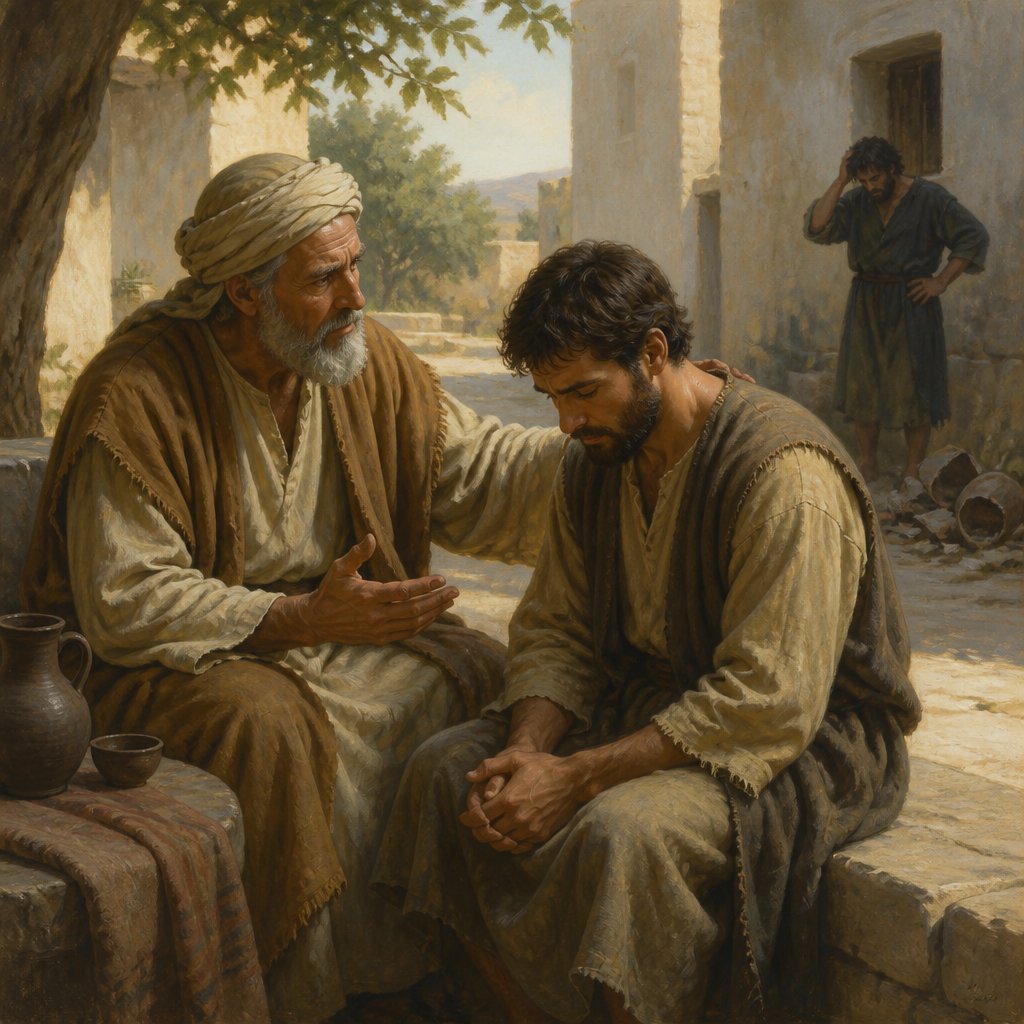
Proverbs 17:10 in the King James Version of the Bible states, "A reproof entereth more into a wise man than an hundred stripes into a fool." This verse is part of the Book of Proverbs, which is traditionally attributed to King Solomon, known for his great wisdom. The Book of Proverbs is a collection of wise sayings and teachings that are meant to guide people in living a righteous and fulfilling life.
The verse speaks to the importance of wisdom and the way in which people receive and respond to correction. The first part of the verse, "A reproof entereth more into a wise man," emphasizes the idea that a wise person is receptive to criticism and correction. The word "reproof" refers to the act of scolding, rebuking, or correcting someone's behavior. In this context, it conveys the idea of being open to guidance and constructive criticism.
The second part of the verse, "than an hundred stripes into a fool," contrasts the wise person with a fool. The mention of "an hundred stripes" alludes to a severe punishment, likely referring to flogging or physical discipline. This part of the verse suggests that even a severe punishment would not have as much of an impact on a foolish person as a gentle reproof would have on a wise person.
The underlying message of this verse is that wisdom and humility go hand in hand. A wise person is willing to listen to advice and acknowledge their faults, while a fool is stubborn, resistant to change, and lacks the capacity to learn from their mistakes. It also highlights the value of reproof and correction in shaping a person's character and behavior.
The themes present in this verse are wisdom, humility, and the willingness to accept correction. Throughout the Book of Proverbs, these themes are emphasized repeatedly as essential qualities for living a righteous and fulfilling life. The verse serves as a reminder that true wisdom is not just about knowledge or intelligence, but also about having the humility to learn and grow from one's experiences and interactions with others.
The context of this verse within the Book of Proverbs is important for understanding its significance. In the preceding verses, the author discusses the value of wisdom and the benefits of being open to instruction and reproof. The verse is part of a larger passage that addresses the importance of humility and the need to listen and learn from others.
Symbolically, this verse represents the idea of inner transformation and the importance of being receptive to guidance and correction. The wise person is compared to someone who is like fertile soil, ready to receive seeds of wisdom and grow, while the foolish person is likened to hardened ground, resistant to change and incapable of growth. This symbolism reflects the broader theme of personal and moral development that is prevalent throughout the Book of Proverbs.
In summary, Proverbs 17:10 from the King James Version of the Bible emphasizes the importance of wisdom, humility, and the willingness to accept correction. It serves as a reminder that being open to reproof and guidance is a sign of true wisdom, while stubbornness and resistance to change are characteristic of foolishness. This verse encourages introspection and a willingness to learn and grow, reflecting the timeless wisdom found in the Book of Proverbs.
Get our apps


Artwork for Proverbs 17:10

Proverbs 17:10 - "A reproof entereth more into a wise man than an hundred stripes into a fool."
"A reproof entereth more into a wise man than an hundred stripes into a fool." - Proverbs 17:10

Proverbs 10:17 - "He is in the way of life that keepeth instruction: but he that refuseth reproof erreth."
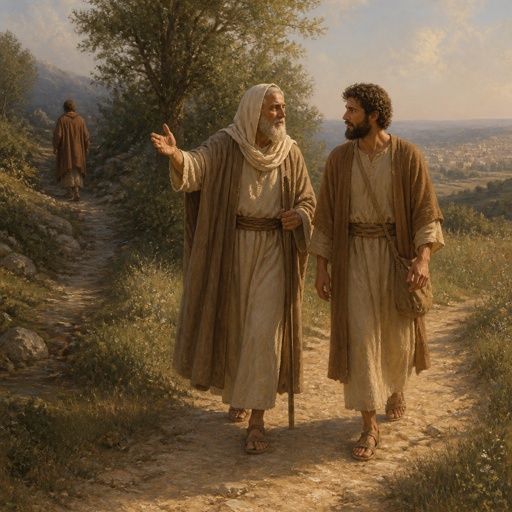
"He is in the way of life that keepeth instruction: but he that refuseth reproof erreth." - Proverbs 10:17

Proverbs 17:17 - "A friend loveth at all times, and a brother is born for adversity."

Proverbs 17:6

Proverbs 27:17

Proverbs 27:17

Proverbs 10

Proverbs 17:27-28

Proverbs 17:27-28

Proverbs 17:27-28

Proverbs 18 10

Proverbs 18 10

Proverbs 10:10 - "He that winketh with the eye causeth sorrow: but a prating fool shall fall."

Proverbs 4:17 - "For they eat the bread of wickedness, and drink the wine of violence."

Proverbs 10:1 - "The proverbs of Solomon. A wise son maketh a glad father: but a foolish son is the heaviness of his mother."

"A friend loveth at all times, and a brother is born for adversity." - Proverbs 17:17

Proverbs 5:17 - "Let them be only thine own, and not strangers' with thee."

Proverbs 1:17 - "Surely in vain the net is spread in the sight of any bird."
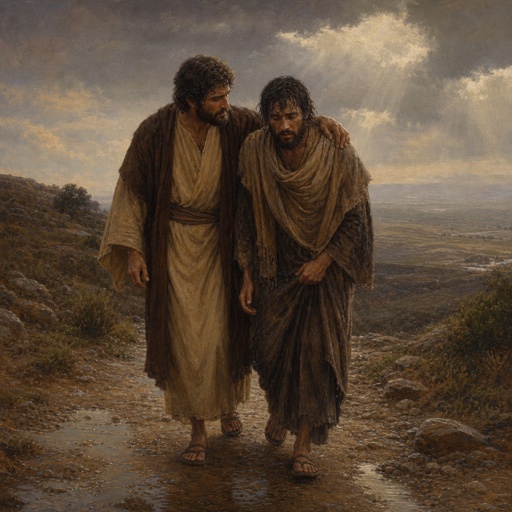
"A friend loveth at all times, and a brother is born for adversity." - Proverbs 17:17

Proverbs 3:9-10

Proverbs 9:17 - "Stolen waters are sweet, and bread eaten in secret is pleasant."

Proverbs 13:17 - "A wicked messenger falleth into mischief: but a faithful ambassador is health."

Proverbs 17:3 - "The fining pot is for silver, and the furnace for gold: but the LORD trieth the hearts."

Proverbs 17:6 - "Children's children are the crown of old men; and the glory of children are their fathers."

Proverbs 6:17 - "A proud look, a lying tongue, and hands that shed innocent blood,"

Romans 10:17

Romans 10:17

Romans 10:17