What does Proverbs 18:14 mean?
"The spirit of a man will sustain his infirmity; but a wounded spirit who can bear?" - Proverbs 18:14
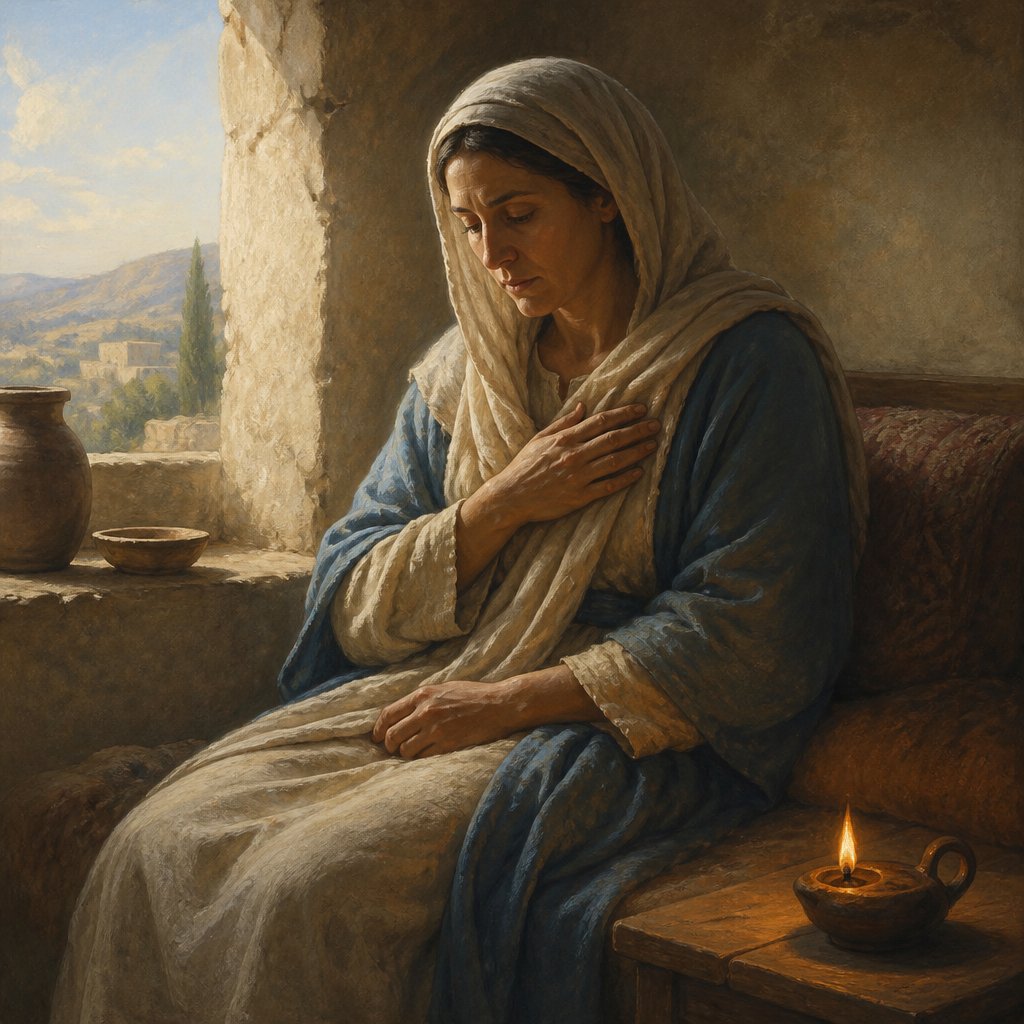
Proverbs 18:14 in the King James Version of the Bible reads, "The spirit of a man will sustain his infirmity; but a wounded spirit who can bear?" This verse is a profound and thought-provoking statement about the power of the human spirit to withstand physical sickness and adversity, as well as the devastation that can result from an injured or broken spirit.
The first part of the verse, "The spirit of a man will sustain his infirmity," speaks to the resilience of the human spirit in the face of physical sickness and weakness. The "spirit" referred to here is not just the breath of life, but also the inner strength and fortitude of a person. This inner resilience can help a person to endure and overcome physical infirmities and challenges. It indicates that a person's mental and emotional outlook can have a profound impact on their physical health and ability to withstand illness or injury.
This concept is supported by scientific research that shows the interconnectedness of the mind and body. A positive attitude, faith, and inner strength can contribute to a person's ability to cope with illness and may even aid in the healing process. Recognizing and nurturing the power of the human spirit is an important aspect of holistic healthcare and well-being.
The second part of the verse, "but a wounded spirit who can bear?" highlights the contrasting and devastating effects of a broken or injured spirit. A wounded spirit can refer to emotional pain, trauma, and despair that can arise from experiences such as loss, betrayal, abuse, or failure. It can also encompass feelings of hopelessness, worthlessness, and spiritual emptiness. This deep inner suffering can be incredibly burdensome and overwhelming, often more so than physical illness or adversity.
The symbolism of a wounded spirit is prevalent in literature, art, and psychology, embodying the emotional and psychological scars that can weigh heavy on an individual. The reference to "who can bear" emphasizes the unbearable burden of carrying a wounded spirit, highlighting the need for empathy, understanding, and healing for those who are struggling with inner pain.
The overarching theme of Proverbs 18:14 is the power and vulnerability of the human spirit. It speaks to the resilience and fragility of the inner self, and the profound impact that the condition of the spirit can have on a person's ability to endure hardship and suffering. It encourages introspection, empathy, and care for the well-being of the spirit, as well as the recognition of the interconnectedness of mental, emotional, and physical health.
The context of this verse within the Book of Proverbs, which is known for its wisdom literature, underscores the timeless and universal nature of the message. It offers timeless insights into the human experience and the interconnectedness of mind, body, and spirit. This verse can be a source of comfort and inspiration for those facing challenges, as well as a reminder of the importance of nurturing and caring for the inner self.
In conclusion, Proverbs 18:14 in the King James Version of the Bible is a profound and multifaceted verse that speaks to the resilience and vulnerability of the human spirit. It underscores the power of inner strength in facing physical challenges and the devastating impact of a wounded spirit. This verse offers timeless wisdom and insights into the interconnectedness of mental, emotional, and physical well-being, and encourages empathy, self-care, and healing for the spirit. It serves as a poignant reminder of the importance of nurturing the inner self and the power of faith, hope, and resilience in the face of adversity.
Have questions about Proverbs 18:14?
Dive deeper into this scripture with Bible Chat — an AI-powered tool for exploring God's Word through conversation. Ask questions, get context, and grow in your understanding of the Bible.
Get Our Apps


Proverbs 18:14 Artwork

Proverbs 18:14 - "The spirit of a man will sustain his infirmity; but a wounded spirit who can bear?"
"The spirit of a man will sustain his infirmity; but a wounded spirit who can bear?" - Proverbs 18:14

Proverbs 14:18 - "The simple inherit folly: but the prudent are crowned with knowledge."
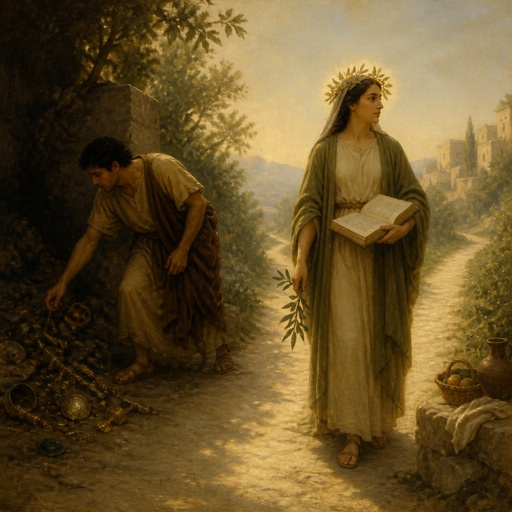
"The simple inherit folly: but the prudent are crowned with knowledge." - Proverbs 14:18

Proverbs 18:21
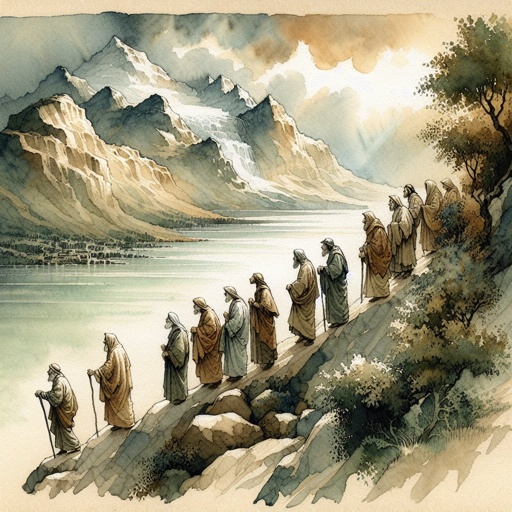
Proverbs 18:21

Proverbs 18:21

Proverbs 18:21

Proverbs 18:21

Proverbs 18:21

Proverbs 18:21

Proverbs 18:21

Proverbs 18:21

Proverbs 18:21
Proverbs 18:21

Proverbs 18:21

Proverbs 18:18 - "The lot causeth contentions to cease, and parteth between the mighty."

Proverbs 14:17-19 - "17: A quick-tempered person does foolish things, and the one who devises evil schemes is hated. 18: The simple inherit folly, but the prudent are crowned with knowledge. 19: Evildoers will bow down in the presence of the good, and the wicked at the gates of the righteous."

Proverbs 18 10

Proverbs 18 10

Proverbs 18:23 - "The poor useth intreaties; but the rich answereth roughly."

Proverbs 21:18 - "The wicked shall be a ransom for the righteous, and the transgressor for the upright."

Proverbs 14:14 - "The backslider in heart shall be filled with his own ways: and a good man shall be satisfied from himself."

Proverbs 26:18 - "As a mad man who casteth firebrands, arrows, and death,"

Proverbs 18:10 - "The name of the LORD is a strong tower: the righteous runneth into it, and is safe."

Proverbs 8:18 - "Riches and honour are with me; yea, durable riches and righteousness."

Proverbs 12:18 - "There is that speaketh like the piercings of a sword: but the tongue of the wise is health."

Proverbs 9:18 - "But he knoweth not that the dead are there; and that her guests are in the depths of hell."

Proverbs 18:5 - "It is not good to accept the person of the wicked, to overthrow the righteous in judgment."

Proverbs 23:18 - "For surely there is an end; and thine expectation shall not be cut off."