What does Proverbs 18:12 mean?
“Before destruction the heart of man is haughty, and before honour is humility.” — Proverbs 18:12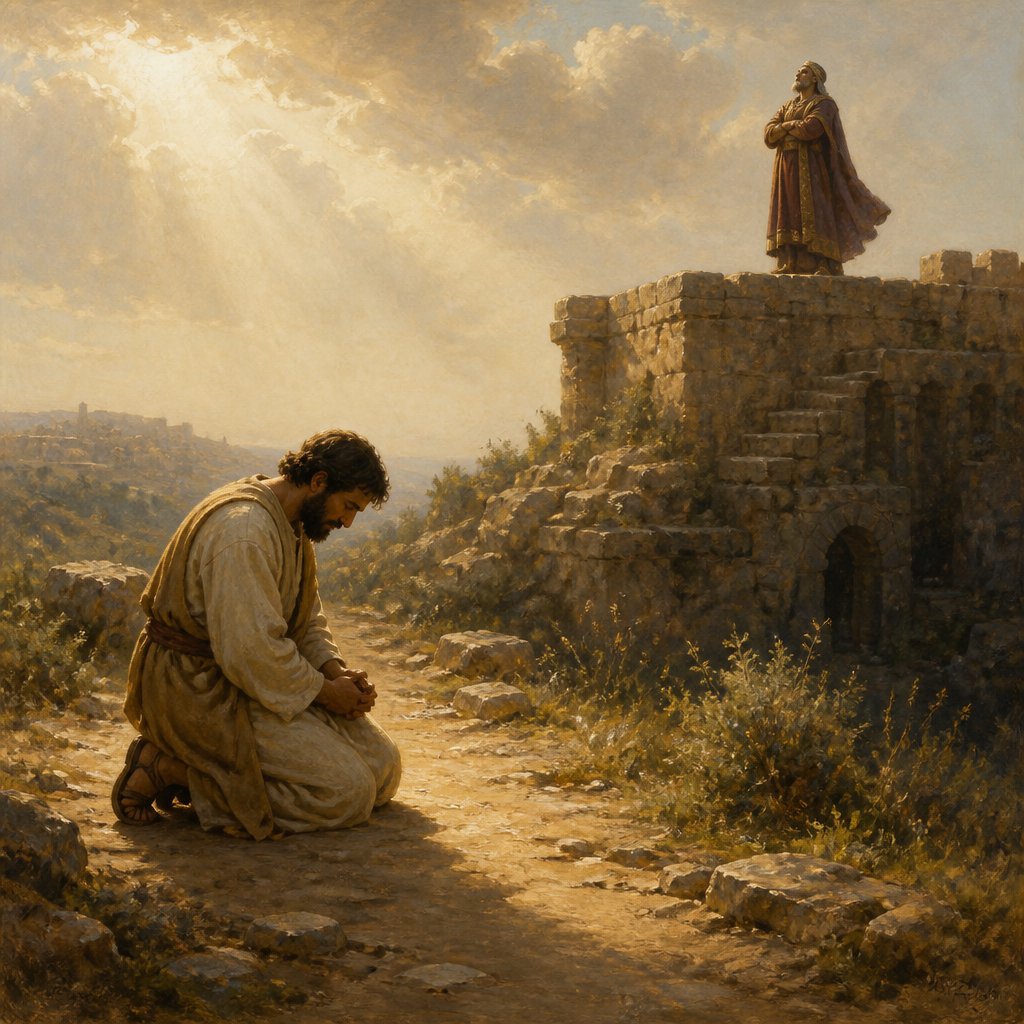
Proverbs 18:12 in the King James Version of the Bible states, "Before destruction the heart of man is haughty, and before honour is humility." This proverb speaks to the contrast between pride and humility, and its implications for the fate of individuals.
The theme of pride and humility is a common thread throughout the book of Proverbs and the Bible as a whole. In this verse, the writer is emphasizing the correlation between a haughty heart and impending destruction, juxtaposed with humility preceding honor. The verse serves as a warning against the dangers of pride and an exhortation to embrace humility.
The context of this verse is within the larger body of wisdom literature in the book of Proverbs. This book is attributed to King Solomon, known for his wisdom and insight. Proverbs is a collection of wise sayings that offer practical guidance for living a righteous and fruitful life. The verses in Proverbs often contrast the ways of the wise with the ways of the foolish, and this verse is no exception.
The verse opens with a warning about the dangers of pride. The "heart of man" refers to the inner being, the seat of thoughts and emotions. When one's heart is "haughty," it is lifted up in arrogance and pride. This pride blinds individuals to their own faults and weaknesses, leading to their eventual downfall. The destruction mentioned here can be understood to encompass both physical and spiritual ruin. The proud and haughty are often brought low, whether through their own actions or through divine judgment.
On the other hand, the second part of the verse offers a contrasting statement about humility preceding honor. Humility, the opposite of haughtiness, is commended as a virtue that leads to honor. The humble person recognizes their own limitations and is willing to defer to others. This posture of humility is pleasing to God and to others, and it often leads to recognition and praise. In the biblical context, honor is often tied to blessings and favor from God as well as respect and esteem from others.
The imagery in this verse is powerful and conveys a timeless truth about human nature. The picture of a haughty heart preceding destruction is a vivid warning against the perils of pride. This warning is mirrored in other parts of the Bible, such as in the book of James, where it is written, "God opposes the proud but shows favor to the humble" (James 4:6, NIV). The idea of destruction being linked to pride has historical and biblical precedence, as seen in stories such as the fall of Lucifer and the Tower of Babel.
The concept of humility preceding honor is also deeply rooted in biblical teaching. Jesus himself taught that the meek would inherit the earth, and that those who exalt themselves would be humbled, while those who humble themselves would be exalted (Matthew 5:5, 23:12). This principle of humility leading to honor is a recurring motif in both the Old and New Testaments.
In conclusion, Proverbs 18:12, in the King James Version, offers a profound and timeless truth about the relationship between pride and humility. The verse serves as a warning against the dangers of pride and a reminder of the power of humility to bring honor. It is a call to examine our own hearts and attitudes, and to seek humility rather than haughtiness. This proverb continues to offer valuable wisdom and guidance for all who seek to live a righteous and honorable life.
Get our apps


Artwork for Proverbs 18:12

Proverbs 18:12 - "Before destruction the heart of man is haughty, and before honour is humility."
"Before destruction the heart of man is haughty, and before honour is humility." - Proverbs 18:12

Proverbs 12:18 - "There is that speaketh like the piercings of a sword: but the tongue of the wise is health."
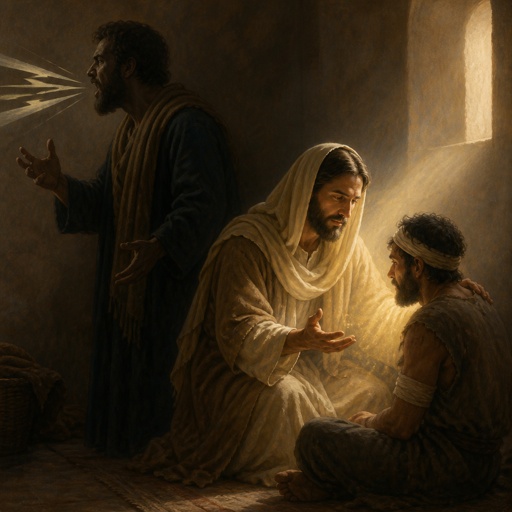
"There is that speaketh like the piercings of a sword: but the tongue of the wise is health." - Proverbs 12:18

Proverbs 18:21
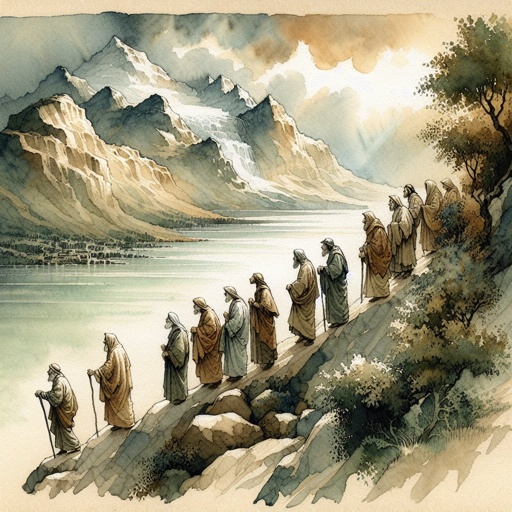
Proverbs 18:21

Proverbs 18:21

Proverbs 18:21

Proverbs 18:21

Proverbs 18:21

Proverbs 18:21

Proverbs 18:21

Proverbs 18:21

Proverbs 18:21
Proverbs 18:21

Proverbs 18:21

Proverbs 18:18 - "The lot causeth contentions to cease, and parteth between the mighty."

Proverbs 18 10

Proverbs 18 10

proverbs 5:12

Proverbs 12:5

proverbs 5:12

Proverbs 12:12 - "The wicked desireth the net of evil men: but the root of the righteous yieldeth fruit."

Proverbs 14:18 - "The simple inherit folly: but the prudent are crowned with knowledge."

Proverbs 18:23 - "The poor useth intreaties; but the rich answereth roughly."

Proverbs 21:18 - "The wicked shall be a ransom for the righteous, and the transgressor for the upright."

proverbs 5:11-12

proverbs 5:11-12

Proverbs 26:18 - "As a mad man who casteth firebrands, arrows, and death,"

Proverbs 8:18 - "Riches and honour are with me; yea, durable riches and righteousness."