What does Proverbs 20:14 mean?
"It is naught, it is naught, saith the buyer: but when he is gone his way, then he boasteth." - Proverbs 20:14
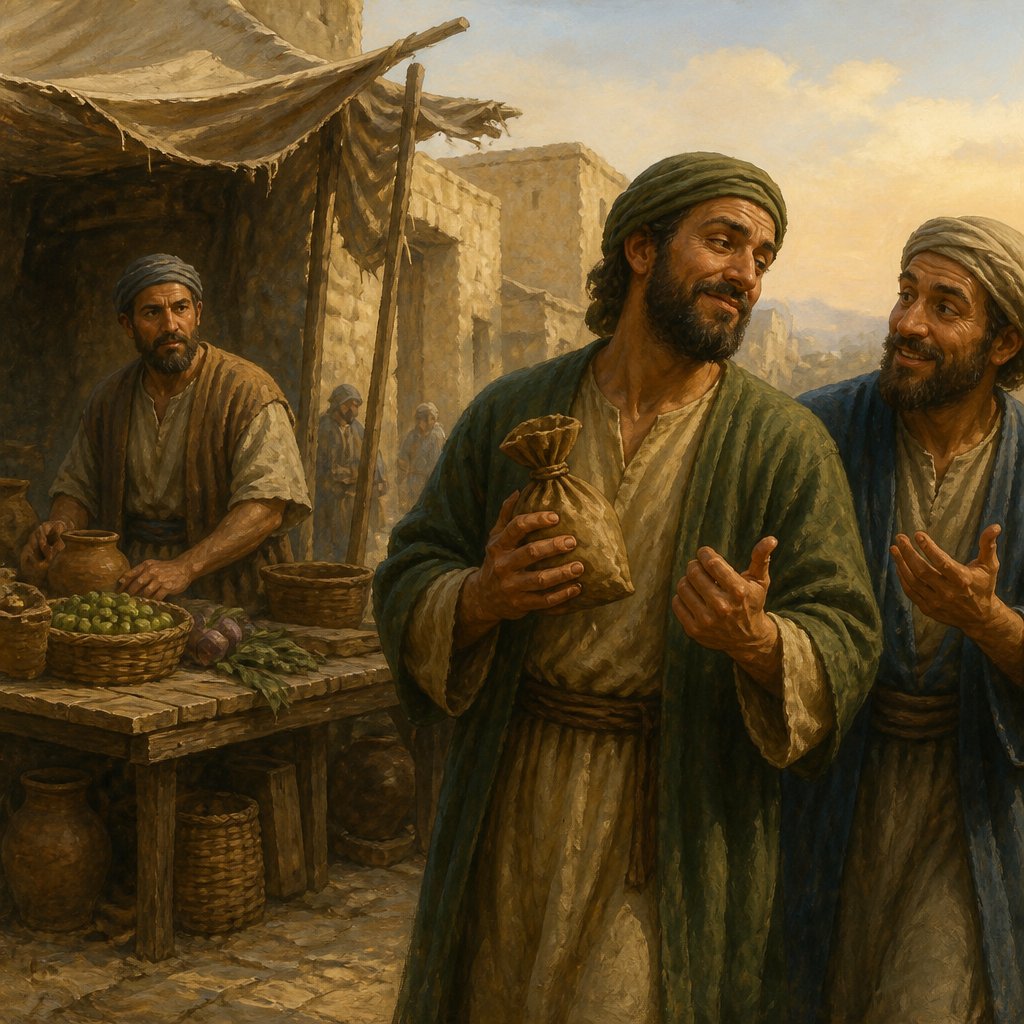
There are several themes and important contextual considerations to be explored in Proverbs 20:14, which states, "It is naught, it is naught, saith the buyer: but when he is gone his way, then he boasteth."
This verse deals with the issue of honesty and fairness in business transactions. It sheds light on the reality that some people may attempt to deceive or manipulate others in order to obtain an advantage or profit. The verse presents a scenario where a buyer expresses dissatisfaction with a purchase, claiming that it is of little value or quality. However, once the buyer has successfully acquired the item and left the seller, he boasts about the deal he has made. This kind of behavior is rife with hypocrisy and dishonesty, pointing to a lack of integrity and fairness in business dealings.
One of the underlying themes of this verse is the concept of honesty and integrity in all aspects of life, including business. The speaker is expressing disapproval of the buyer's behavior, highlighting the importance of being truthful and straightforward in one's dealings with others. This ties into broader biblical teachings about the value of honesty and the consequences of deceit and falsehood.
The verse also serves as a cautionary tale against the dangers of pride and arrogance. The buyer's boastfulness after successfully securing the desired item suggests a sense of superiority and self-importance. This arrogant attitude is condemned in the Bible, which consistently emphasizes the importance of humility and modesty. The act of boasting also reflects a lack of gratitude and appreciation for the seller, as well as a lack of awareness of one's own shortcomings.
In a broader context, this verse can be seen as a reflection of the human tendency towards selfishness and self-interest. The buyer's focus is solely on his own gain, at the expense of honesty and fairness. This behavior is in direct contrast to the biblical principles of love for one's neighbor and the Golden Rule, which call for selfless and compassionate attitudes towards others.
Symbolically, the verse can be seen as a representation of the duality of human nature. It highlights the conflict between honesty and deception, humility and pride, and selflessness and selfishness. The duality is also present in the buyer's behavior, as he initially disparages the item but then turns around and boastfully celebrates his acquisition. This duality serves as a reminder of the constant struggle between good and evil within each individual.
Overall, Proverbs 20:14 provides a powerful message about the importance of honesty, integrity, and humility in all aspects of life, particularly in business dealings. It serves as a warning against the dangers of pride and selfishness, and a reminder of the value of treating others with fairness and respect. In a broader sense, this verse calls for self-reflection and self-examination, as well as a commitment to upholding moral and ethical principles in all areas of life.
Have questions about Proverbs 20:14?
Dive deeper into this scripture with Bible Chat — an AI-powered tool for exploring God's Word through conversation. Ask questions, get context, and grow in your understanding of the Bible.
Get Our Apps


Proverbs 20:14 Artwork

Proverbs 20:14 - "It is naught, it is naught, saith the buyer: but when he is gone his way, then he boasteth."
"It is naught, it is naught, saith the buyer: but when he is gone his way, then he boasteth." - Proverbs 20:14

Proverbs 14:20 - "The poor is hated even of his own neighbour: but the rich hath many friends."
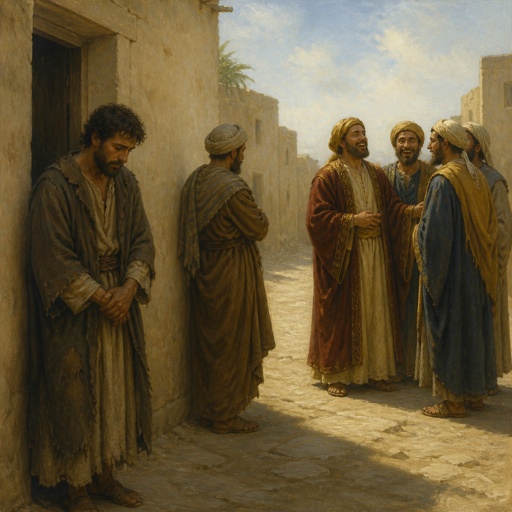
"The poor is hated even of his own neighbour: but the rich hath many friends." - Proverbs 14:20

proverbs 1:20

proverbs 1:20

proverbs 1:20

proverbs 1:20

proverbs 1:20

proverbs 1:20

proverbs 1:20

proverbs 1:20

proverbs 1:20

proverbs 1:20

proverbs 1:20

Proverbs 1:20

proverbs 1:20

proverbs 1:20

proverbs 1:20

proverbs 1:20

proverbs 1:20

proverbs 1:20

proverbs 1:20

proverbs 1:20

proverbs 1:20

proverbs 1:20

proverbs 1:20

proverbs 1:20

proverbs 1:20

proverbs 1:20