What does Proverbs 20:13 mean?
“Love not sleep, lest thou come to poverty; open thine eyes, and thou shalt be satisfied with bread.” — Proverbs 20:13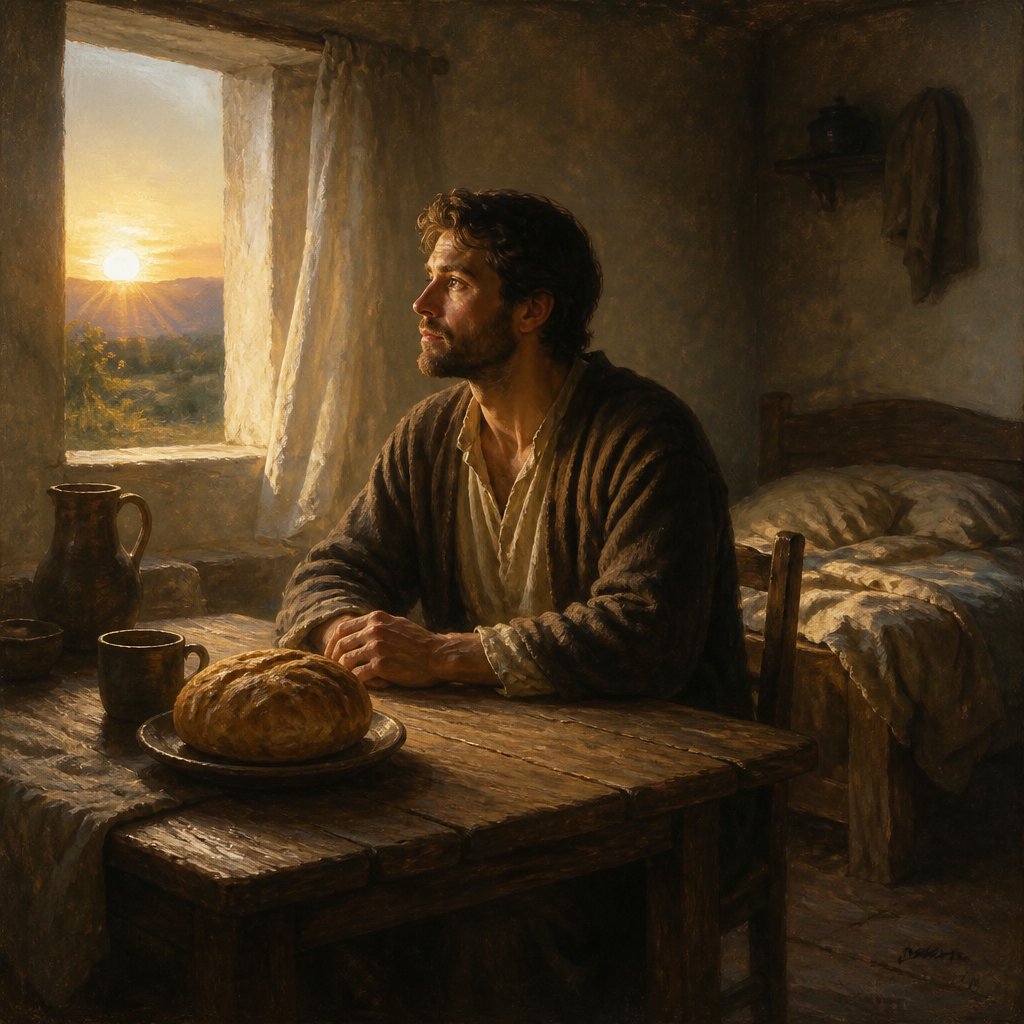
Proverbs 20:13 in the King James Version of the Bible reads: "Love not sleep, lest thou come to poverty; open thine eyes, and thou shalt be satisfied with bread." This verse is a powerful reminder of the importance of diligence, hard work, and responsibility in order to avoid poverty and achieve satisfaction in life.
The theme of this verse revolves around the idea of the importance of being industrious and proactive in one's life. It emphasizes the detrimental effects of laziness and the necessity of being alert and vigilant in order to attain fulfillment. By loving not sleep, the verse encourages individuals to prioritize hard work and dedication over idleness and slothfulness. This concept is consistent with the broader teachings of the Bible, which often emphasize the virtues of diligence and conscientiousness.
The context of Proverbs 20:13 is reflective of the wisdom literature found throughout the book of Proverbs. These verses offer guidance and practical advice for living a righteous and fulfilling life. In the preceding verses, the chapter discusses the importance of wise counsel, avoiding quarrels, and the value of integrity. Proverbs 20:13 fits within this context by encouraging individuals to take responsibility for their own well-being and success through hard work and vigilance.
The symbolism in this verse is found in the contrast between sleep and being satisfied with bread. Sleep is often associated with rest, comfort, and indulgence, while being satisfied with bread is representative of achieving one's basic needs through honest labor. The juxtaposition of these two ideas serves as a metaphor for the choice between idleness and productivity, and the consequences of each path. By loving not sleep and opening one's eyes, individuals are urged to be vigilant and diligent in their pursuit of sustenance and satisfaction.
Additionally, the mention of coming to poverty highlights the potential consequences of neglecting one's responsibilities and succumbing to laziness. Poverty is a multi-faceted concept in the Bible, encompassing not only material lack but also spiritual impoverishment. The verse serves as a warning against complacency and a call to action to seek sustenance and contentment through earnest effort.
Overall, Proverbs 20:13 offers timeless wisdom that is applicable to individuals of any time or culture. It speaks to the universal human experience of the struggle between rest and work, the pursuit of basic needs, and the desire for fulfillment. By exhorting readers to prioritize diligence and responsibility, the verse presents a message of hope and empowerment, reminding us that through our own actions and choices, we can attain satisfaction and abundance in our lives.
Get our apps


Artwork for Proverbs 20:13

Proverbs 20:13 - "Love not sleep, lest thou come to poverty; open thine eyes, and thou shalt be satisfied with bread."
"Love not sleep, lest thou come to poverty; open thine eyes, and thou shalt be satisfied with bread." - Proverbs 20:13

Proverbs 13:20 - "He that walketh with wise men shall be wise: but a companion of fools shall be destroyed."

Proverbs 13:20 One who walks with wise men grows wise

"He that walketh with wise men shall be wise: but a companion of fools shall be destroyed." - Proverbs 13:20

proverbs 1:20

proverbs 1:20
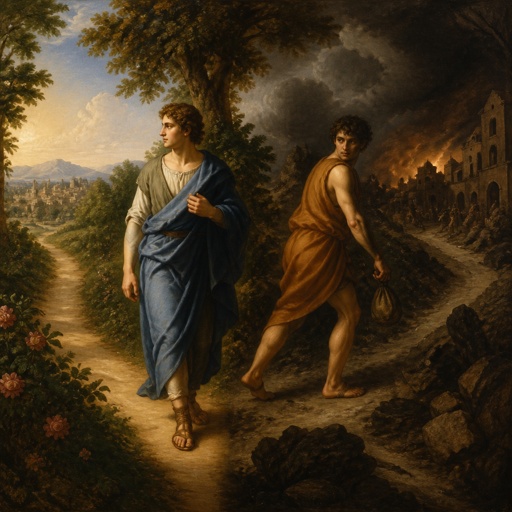
Proverbs 20:24

proverbs 1:20

proverbs 1:20

proverbs 1:20

proverbs 1:20

proverbs 1:20

proverbs 1:20

proverbs 1:20

proverbs 1:20

proverbs 1:20

proverbs 1:20

proverbs 1:20

proverbs 1:20

Proverbs 1:20

proverbs 1:20

proverbs 1:20

proverbs 1:20

proverbs 1:20

proverbs 1:20

Proverbs 26:20

proverbs 1:20

proverbs 1:20

proverbs 1:20