What does Proverbs 20:17 mean?
"Bread of deceit is sweet to a man; but afterwards his mouth shall be filled with gravel." - Proverbs 20:17
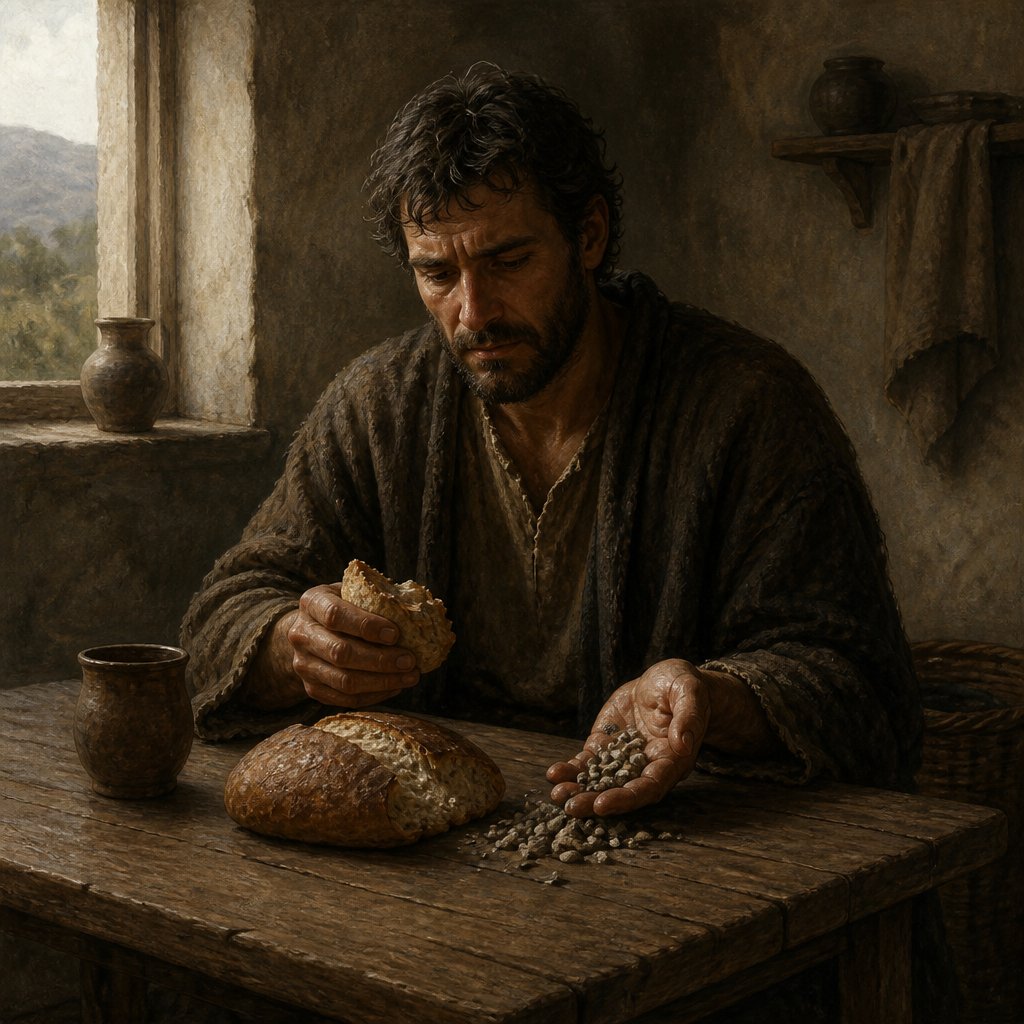
Proverbs 20:17 (KJV) says, "Bread of deceit is sweet to a man, but afterwards his mouth shall be filled with gravel." This verse presents a vivid image of the fleeting pleasure of dishonest gain followed by the inevitable consequences. The use of bread as a metaphor for deceit and gravel as a punishment for indulging in dishonesty highlights the repercussions of seeking temporary satisfaction through deception.
The theme of honesty and integrity is prevalent throughout the book of Proverbs, and this verse is no exception. It warns against the allure of deceitful gain, emphasizing that while it may initially seem pleasing, it will ultimately result in a mouth filled with gravel, which can be understood as the pain and suffering that comes as a result of dishonesty. This verse serves as a cautionary tale, encouraging readers to pursue honesty and righteousness rather than the temporary pleasures of ill-gotten gain.
The context of this proverb is important to consider in order to fully understand its meaning. Proverbs is a book of wisdom written by King Solomon, who sought to impart his knowledge and understanding of life to his son. The verses in Proverbs are filled with practical advice on how to live a righteous and virtuous life, and Proverbs 20:17 is no exception. In this particular verse, Solomon is cautioning his audience against the allure of dishonesty, reminding them that while it may appear sweet at first, it will ultimately lead to suffering and pain.
The use of bread as a symbol for deceit is significant in this verse. Bread is a staple food and often represents sustenance and nourishment. By using it to represent deceit, the verse emphasizes the idea that dishonest gain may initially seem satisfying and fulfilling, much like bread. However, just as the pleasure of eating deceitful bread is short-lived, so too are the rewards of dishonesty. This is an important lesson in the fleeting nature of ill-gotten gains and the importance of pursuing integrity and righteousness.
The use of gravel as a consequence for indulging in deceit further emphasizes the severity of the punishment for dishonesty. Gravel is coarse and unpleasant, and the image of having one's mouth filled with gravel evokes a sense of discomfort and suffering. This punishment serves as a powerful warning, illustrating the inevitable and painful consequences of seeking gain through deceitful means.
Overall, Proverbs 20:17 serves as a poignant reminder of the importance of honesty and integrity in all aspects of life. It warns against the allure of deceitful gain and emphasizes the temporary nature of the pleasure it brings. The verse encourages readers to pursue righteousness and honesty, reminding them that the path of deceit ultimately leads to suffering and pain. This timeless wisdom continues to resonate with readers today, serving as a poignant reminder of the enduring relevance of Proverbs in guiding moral and ethical behavior.
Have questions about Proverbs 20:17?
Dive deeper into this scripture with Bible Chat — an AI-powered tool for exploring God's Word through conversation. Ask questions, get context, and grow in your understanding of the Bible.
Get Our Apps


Proverbs 20:17 Artwork

Proverbs 20:17 - "Bread of deceit is sweet to a man; but afterwards his mouth shall be filled with gravel."
"Bread of deceit is sweet to a man; but afterwards his mouth shall be filled with gravel." - Proverbs 20:17

Proverbs 17:20 - "He that hath a froward heart findeth no good: and he that hath a perverse tongue falleth into mischief."

"He that hath a froward heart findeth no good: and he that hath a perverse tongue falleth into mischief." - Proverbs 17:20

proverbs 1:20

proverbs 1:20

Proverbs 17:17 - "A friend loveth at all times, and a brother is born for adversity."

proverbs 1:20

proverbs 1:20

proverbs 1:20

proverbs 1:20

proverbs 1:20

proverbs 1:20

proverbs 1:20

proverbs 1:20

proverbs 1:20

Proverbs 1:20

proverbs 1:20

proverbs 1:20

proverbs 1:20

proverbs 1:20

proverbs 1:20

proverbs 1:20

proverbs 1:20

proverbs 1:20

Proverbs 17:6

proverbs 1:20

proverbs 1:20

proverbs 1:20

proverbs 1:20