What does Proverbs 21:13 mean?
"Whoso stoppeth his ears at the cry of the poor, he also shall cry himself, but shall not be heard." - Proverbs 21:13
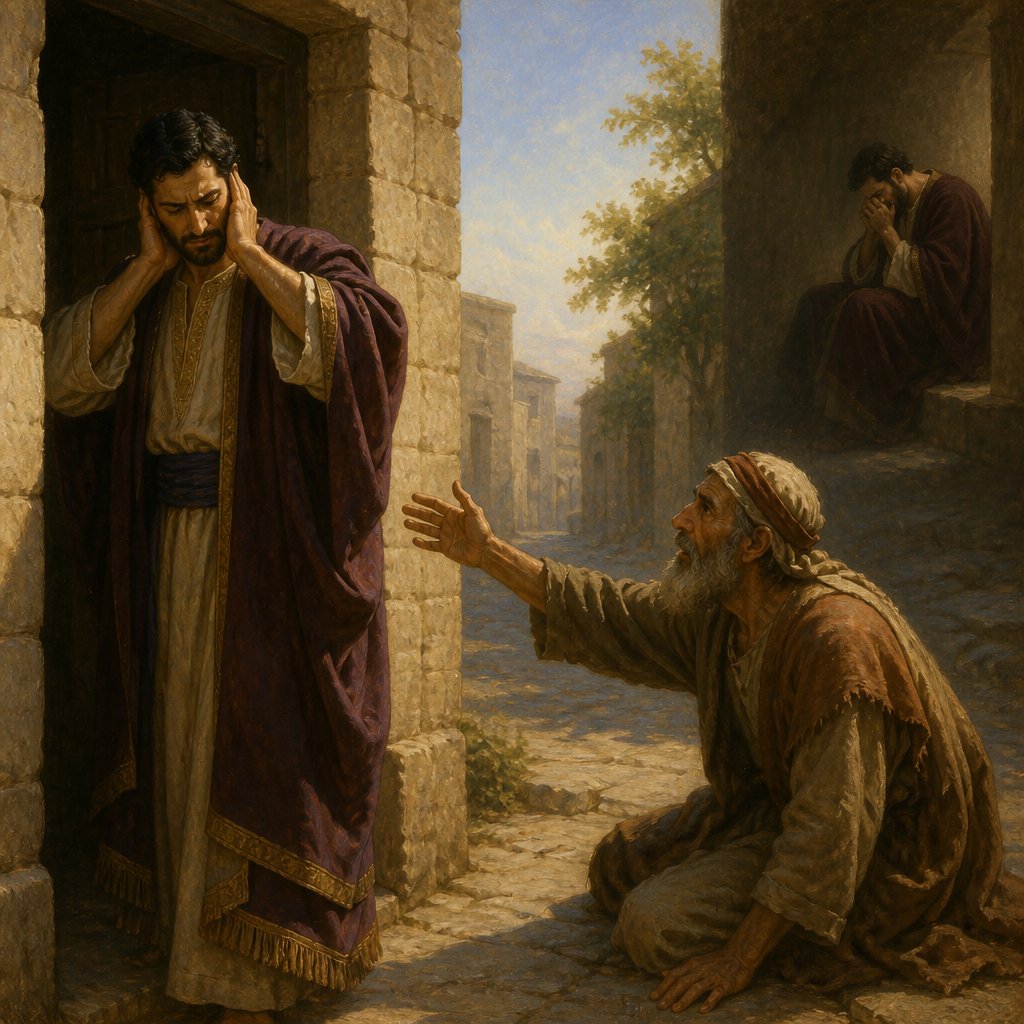
Proverbs 21:13 in the King James Version of the Bible reads, "Whoso stoppeth his ears at the cry of the poor, he also shall cry himself, but shall not be heard."
This verse speaks to the importance of compassion and empathy for the less fortunate. It emphasizes the idea that we reap what we sow, and that neglecting the needs of others will ultimately result in our own neglect. The verse serves as a warning against callousness and reminds us of the importance of caring for those who are in need.
The theme of social justice and poverty is prevalent throughout the book of Proverbs, and this verse is a powerful example of this theme. The Bible repeatedly emphasizes the responsibility of individuals to care for the poor and the marginalized in society. Proverbs 31:8-9, for example, says, "Speak up for those who cannot speak for themselves, for the rights of all who are destitute. Speak up and judge fairly; defend the rights of the poor and needy." This aligns with the central message of Christianity, which emphasizes the importance of compassion, justice, and love for all people.
The context of Proverbs 21:13 is important to understand its meaning. The book of Proverbs is a collection of wise sayings and teachings attributed to King Solomon. Its purpose is to impart wisdom and guidance for living a righteous and moral life. Throughout the book, there are numerous admonitions to care for the poor and to act with justice and kindness. Proverbs 14:31, for example, states, "He who oppresses the poor shows contempt for their Maker, but whoever is kind to the needy honors God." This theme is consistent throughout the book and reflects the overarching message of the importance of social justice and compassion for others.
The symbolism in Proverbs 21:13 is powerful and multifaceted. The act of "stopping one's ears at the cry of the poor" is symbolic of turning a deaf ear to the suffering of others. It represents a lack of empathy and compassion, and a refusal to acknowledge the needs of the less fortunate. This imagery serves as a warning against apathy and indifference, highlighting the dire consequences of neglecting the needs of others.
The verse also uses the symbol of crying to convey a sense of desperation and need. Those who ignore the cries of the poor will themselves cry out in distress, but their pleas will go unheard. This symbolizes the idea that neglecting the needs of others will ultimately lead to one's own suffering and unmet needs. It serves as a reminder of the interconnectedness of humanity and the importance of caring for one another.
In conclusion, Proverbs 21:13 carries a powerful message about the importance of compassion and empathy for the less fortunate. It serves as a warning against neglecting the needs of others and highlights the consequences of apathy and indifference. The verse aligns with the overarching theme of social justice and the responsibility of individuals to care for the poor and marginalized in society. Its symbolism conveys the dire consequences of neglecting the needs of others and serves as a powerful reminder of the interconnectedness of humanity. Overall, Proverbs 21:13 encourages us to act with compassion and justice, and to heed the cries of the poor.
Have questions about Proverbs 21:13?
Dive deeper into this scripture with Bible Chat — an AI-powered tool for exploring God's Word through conversation. Ask questions, get context, and grow in your understanding of the Bible.
Get Our Apps


Proverbs 21:13 Artwork

Proverbs 21:13 - "Whoso stoppeth his ears at the cry of the poor, he also shall cry himself, but shall not be heard."

Proverbs 21:13 KJVA (13) Whoso stoppeth his ears at the cry of the poor, he also shall cry himself, but shall not be heard.

Proverbs 21:13 KJVA (13) Whoso stoppeth his ears at the cry of the poor, he also shall cry himself, but shall not be heard.

Proverbs 21:13 KJVA (13) Whoso stoppeth his ears at the cry of the poor, he also shall cry himself, but shall not be heard.
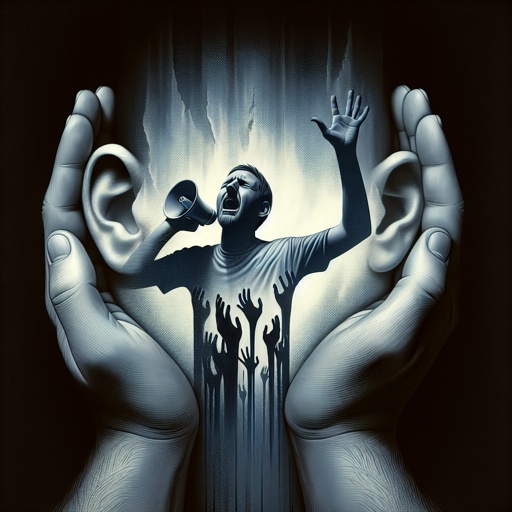
Proverbs 21:13 KJVA (13) Whoso stoppeth his ears at the cry of the poor, he also shall cry himself, but shall not be heard.

Proverbs 21:13 KJVA (13) Whoso stoppeth his ears at the cry of the poor, he also shall cry himself, but shall not be heard.

Proverbs 21:13 KJVA (13) Whoso stoppeth his ears at the cry of the poor, he also shall cry himself, but shall not be heard.
"Whoso stoppeth his ears at the cry of the poor, he also shall cry himself, but shall not be heard." - Proverbs 21:13

Proverbs 13:21 - "Evil pursueth sinners: but to the righteous good shall be repayed."

Habakkuk 2:1-3

"Evil pursueth sinners: but to the righteous good shall be repayed." - Proverbs 13:21

Proverbs 18:21

Proverbs 18:21

Proverbs 18:21

Proverbs 18:21

Proverbs 18:21

Proverbs 18:21

Proverbs 18:21

Proverbs 18:21

Proverbs 18:21

Proverbs 18:21

Proverbs 18:21

Proverbs 18:21

proverbs 21 7

Proverbs 31:21

Proverbs 21:21 - "He that followeth after righteousness and mercy findeth life, righteousness, and honour."

Proverbs 13:13 - "Whoso despiseth the word shall be destroyed: but he that feareth the commandment shall be rewarded."

Proverbs 21:18 - "The wicked shall be a ransom for the righteous, and the transgressor for the upright."

Proverbs 2:21 - "For the upright shall dwell in the land, and the perfect shall remain in it."

Proverbs 21:30 - "There is no wisdom nor understanding nor counsel against the LORD."