What does Proverbs 21:25-26 mean?
“The desire of the slothful killeth him; for his hands refuse to labour. He coveteth greedily all the day long: but the righteous giveth and spareth not.” — Proverbs 21:25-26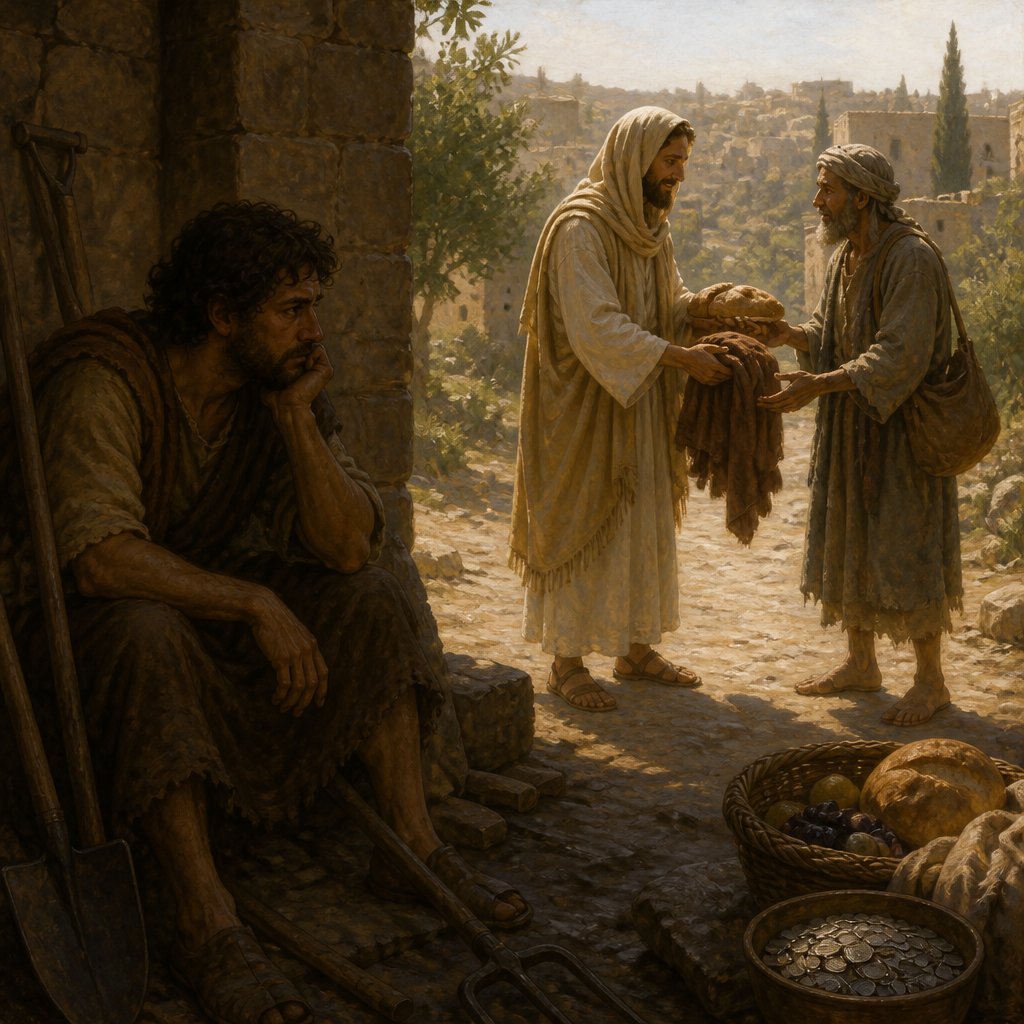
Proverbs 21:25-26 in the King James Version of the Bible reads: "The desire of the slothful killeth him; for his hands refuse to labour. He coveteth greedily all the day long: but the righteous giveth and spareth not."
This proverbial wisdom from the book of Proverbs contains a contrast between the slothful and the righteous, highlighting the consequences of their respective attitudes and actions. The passage serves as a cautionary tale, urging readers to embrace diligence and generosity while warning against the destructive nature of laziness and greed.
The first verse, "The desire of the slothful killeth him; for his hands refuse to labour," speaks to the dangers of indolence and the destructive consequences of laziness. The slothful individual is characterized by a lack of motivation and unwillingness to engage in productive work. Instead of channeling his energy into meaningful endeavors, he gives in to his desire for ease and comfort, ultimately leading to his downfall. The refusal to labor not only results in material want and poverty but also leads to a spiritual and emotional death. The idleness and apathy of the slothful individual can be seen as a form of self-sabotage, as his unwillingness to exert effort leads to his own demise.
The second verse, "He coveteth greedily all the day long: but the righteous giveth and spareth not," contrasts the greedy nature of the slothful with the generous spirit of the righteous. The slothful individual is depicted as consumed by insatiable desires, coveting and longing for material wealth and possessions. His preoccupation with acquiring more and more leads to an unending cycle of dissatisfaction and disillusionment. In contrast, the righteous person is characterized by a generous and selfless nature. Instead of being preoccupied with accumulating wealth for himself, he freely gives to others without holding back. This passage emphasizes the importance of selflessness and generosity, highlighting the blessings that come from a giving heart.
The themes present in this passage from Proverbs include diligence, laziness, greed, and generosity. The contrast between the slothful and the righteous serves as a moral lesson, urging readers to examine their own attitudes and actions in these areas. The proverb encourages diligence and hard work while cautioning against the destructive nature of laziness and greed. It also promotes a spirit of generosity and selflessness, calling readers to emulate the righteous in their willingness to give freely to others.
The historical and cultural context of this passage is important for understanding its significance. In biblical times, diligence and hard work were highly valued, as individuals relied on the fruits of their labor for sustenance and survival. The consequences of laziness and slothfulness were dire, as they often led to poverty and destitution. Similarly, the issue of greed and materialism was relevant in ancient societies, where the gap between the wealthy and the poor was often significant. The call to generosity and selflessness would have been particularly impactful in a society where there was a clear divide between the haves and the have-nots.
There is also a symbolic interpretation of this passage. The slothful individual can be seen as representative of spiritual lethargy and apathy, while the righteous person embodies virtues such as diligence, generosity, and selflessness. The passage serves as a reflection of the human condition, highlighting the ongoing struggle between our selfish desires and our higher moral principles. It challenges readers to examine their own attitudes and actions, calling them to embrace diligence and generosity while casting off laziness and greed.
In conclusion, Proverbs 21:25-26 from the King James Version of the Bible offers timeless wisdom and moral guidance, addressing themes of diligence, laziness, greed, and generosity. It carries a universal message that transcends time and culture, urging readers to embrace productive work and selfless giving while cautioning against the destructive nature of laziness and greed. This proverbial wisdom continues to resonate with readers today, serving as a timeless reminder of the importance of virtuous living and moral integrity.
Get our apps


Artwork for Proverbs 21:25-26

Proverbs 21:25-26 - "The desire of the lazy man kills him, For his hands refuse to labor. He covets greedily all day long, But the righteous gives and does not spare."
"The desire of the lazy man kills him, For his hands refuse to labor. He covets greedily all day long, But the righteous gives and does not spare." - Proverbs 21:25-26

Proverbs 25:26 - "A righteous man falling down before the wicked is as a troubled fountain, and a corrupt spring."

Proverbs 21:25 - "The desire of the slothful killeth him; for his hands refuse to labour."

Proverbs 26:25 - "When he speaketh fair, believe him not: for there are seven abominations in his heart."

Proverbs 21:26 - "He coveteth greedily all the day long: but the righteous giveth and spareth not."

Proverbs 26:21 - "As coals are to burning coals, and wood to fire; so is a contentious man to kindle strife."

Proverbs 25:21 - "If thine enemy be hungry, give him bread to eat; and if he be thirsty, give him water to drink:"
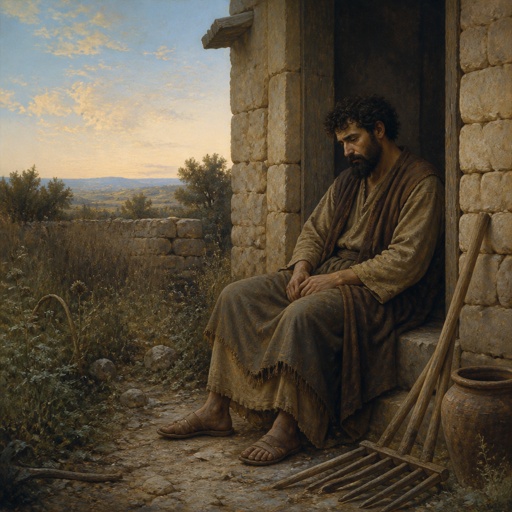
"The desire of the slothful killeth him; for his hands refuse to labour." - Proverbs 21:25

"When he speaketh fair, believe him not: for there are seven abominations in his heart." - Proverbs 26:25
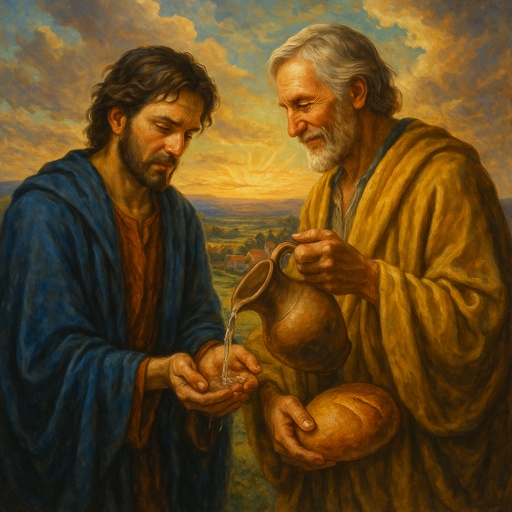
"If thine enemy be hungry, give him bread to eat; and if he be thirsty, give him water to drink:" - Proverbs 25:21
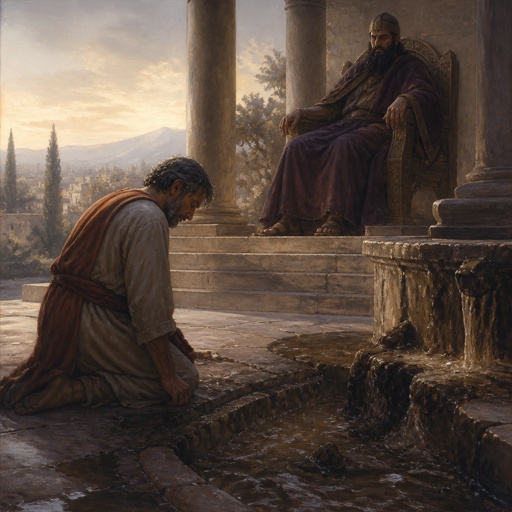
"A righteous man falling down before the wicked is as a troubled fountain, and a corrupt spring." - Proverbs 25:26
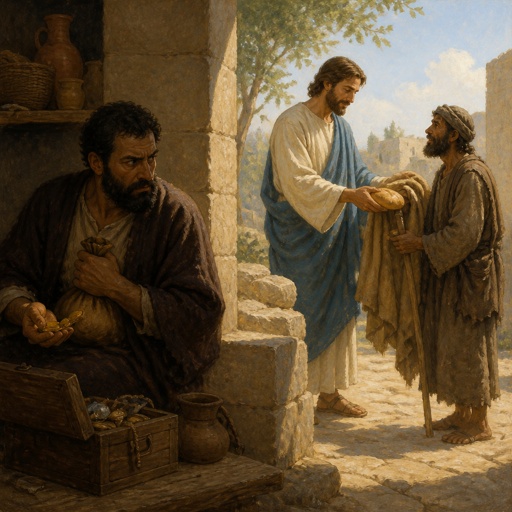
"He coveteth greedily all the day long: but the righteous giveth and spareth not." - Proverbs 21:26
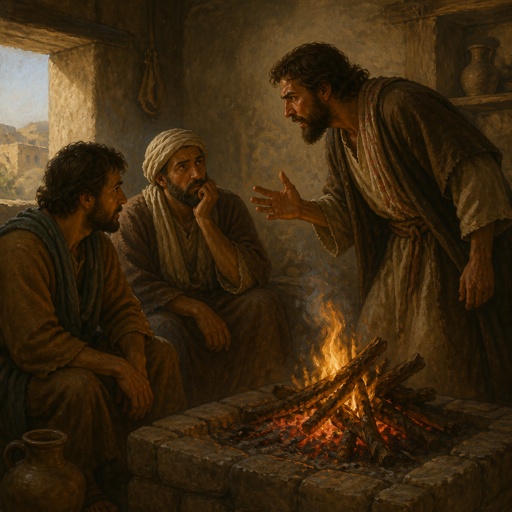
"As coals are to burning coals, and wood to fire; so is a contentious man to kindle strife." - Proverbs 26:21

Proverbs 25:21-22 - "If your enemy is hungry, give him food to eat; if he is thirsty, give him water to drink. In doing this, you will heap burning coals on his head, and the LORD will reward you."
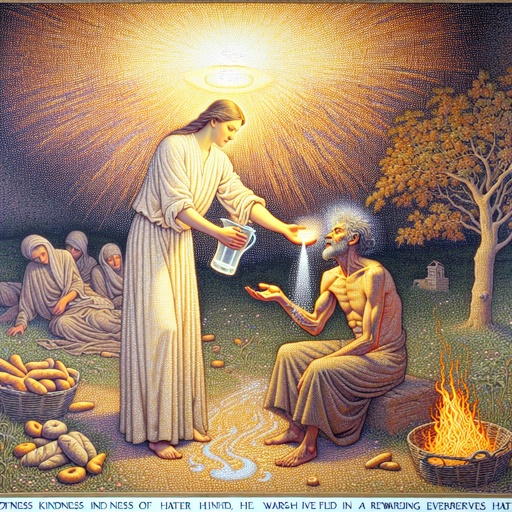
Proverbs 25:21-22 KJV (21) If thine enemy be hungry, give him bread to eat; and if he be thirsty, give him water to drink: (22) For thou shalt heap coals of fire upon his head, and the LORD shall reward thee.
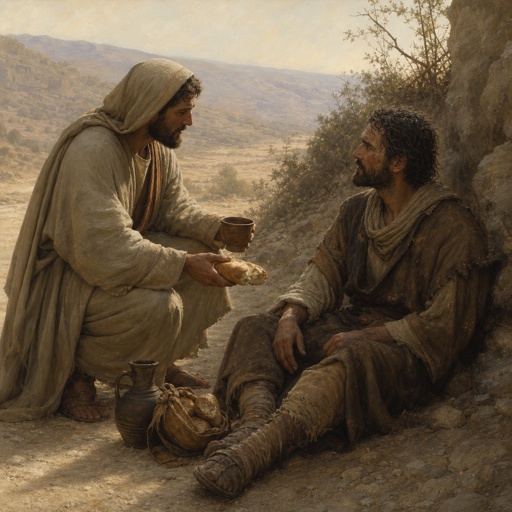
"If thine enemy be hungry, give him bread to eat; and if he be thirsty, give him water to drink:" - Proverbs 25:21

Proverbs 7:26

Proverbs 26:20

Proverbs 25:1 - "These are also proverbs of Solomon, which the men of Hezekiah king of Judah copied out."

Proverbs 18:21

Proverbs 18:21

Proverbs 18:21

Proverbs 18:21

Proverbs 18:21

Proverbs 25:25 - "As cold waters to a thirsty soul, so is good news from a far country."

Proverbs 18:21

Proverbs 18:21

Proverbs 18:21

Proverbs 18:21